UK Airbase Scare Fuels Iran Tensions; Toman Surges Amid Oil Pipeline Restart
ابهام در پایگاه هوایی انگلیس؛ تنشها در منطقه افزایش یافت؛ تومان با بازگشایی خط لوله نفت جهش کرد
A mysterious incident at a UK airbase, initially suspected as a plot targeting US forces in Iran, has deepened uncertainty after police found only petrol. Meanwhile, Iran's IRGC warned of new weapons deployment, and Saudi Arabia's vital oil pipeline has restarted operations after an Iranian-backed militia attack, leading to a significant jump in the Iranian Toman.
At time of publishing
USD
255,800
Toman
Gold 18K
25.43M
Toman / gram
Bitcoin
$83,097
US Dollar
Tether
253,491
Toman
UK Airbase Scare Deepens, No Explosives Found
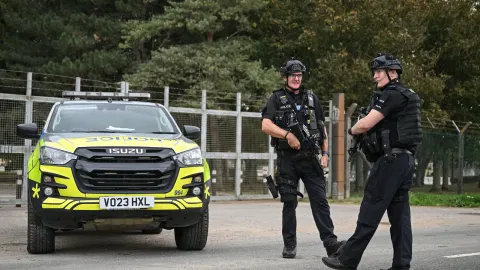
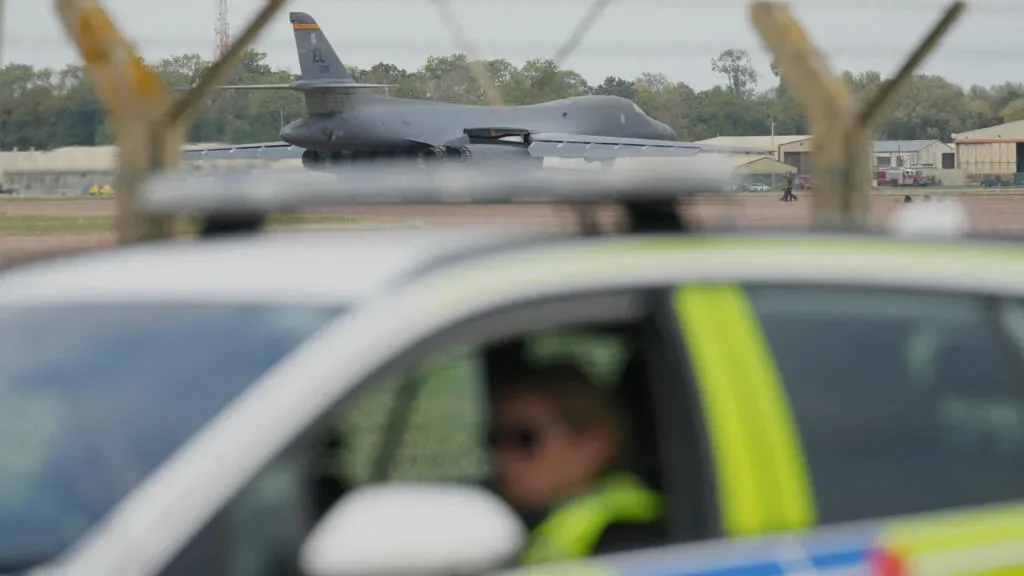
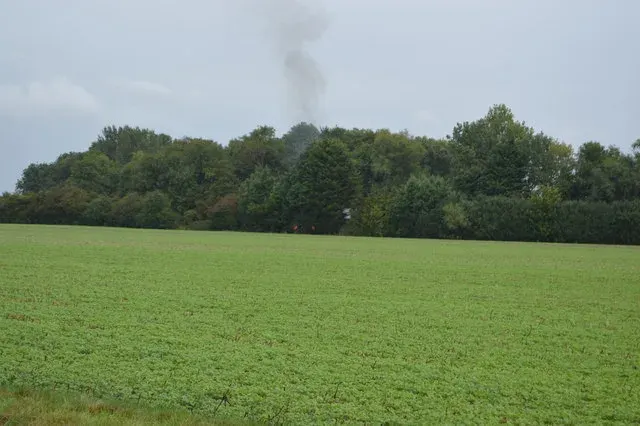
British counter-terrorism police are investigating a suspicious incident at a UK airbase, which was reportedly used by US forces for strikes against Iran. Initially feared to be a plot, the investigation has taken a turn as authorities confirmed that only a quantity of petrol was discovered, with no improvised explosive devices found. This development has cast a shadow of uncertainty over the incident, especially since five UK-based suspects previously arrested in connection with the scare have been released on bail. The lack of concrete evidence of an explosive threat leaves authorities grappling with the motive and nature of the event, raising questions about potential misinformation or a less severe, albeit still concerning, security breach.
This puzzling situation comes at a time of heightened geopolitical sensitivity concerning Iran. The airbase's connection to operations targeting Iran, coupled with the ongoing regional standoff, means any security anomaly will be scrutinized for potential links to broader conflicts. While the absence of explosives may temper immediate fears of a direct attack, the mystery itself could be exploited to sow discord or create diversions. For Iran, such incidents, regardless of their true nature, can be framed within their narrative of Western hostility and pressure, potentially influencing domestic confidence and regional posturing.
---
IRGC Warns of New Weapons Amid Shifting Conflict Dynamics
Brigadier General Hossein Mohebbi, spokesperson for Iran's Islamic Revolution Guards Corps (IRGC), announced that the IRGC is continuously developing and mass-producing new weaponry to bolster its defensive capabilities. He specifically stated that Iran would deploy these new weapons should the nature of any future conflict change. This declaration underscores Iran's ongoing commitment to military modernization and its readiness to adapt its arsenal in response to perceived threats or evolving geopolitical circumstances in the region.
The IRGC's statement serves as a clear signal to regional adversaries and global powers, particularly the United States and its allies, that Iran is not passively observing the current security landscape. The implicit threat of deploying advanced weaponry suggests a willingness to escalate capabilities if deterrence fails or if Iran feels cornered. This message is particularly relevant given the ongoing tensions surrounding the Strait of Hormuz and other strategic waterways, where Iran has previously demonstrated its capacity to disrupt maritime traffic.
This development is significant for regional stability and international relations. It implies a potential arms race dynamic, where any shift in the nature of conflict could trigger a new phase of military engagement. For global markets, particularly energy markets, such pronouncements add to the risk premium associated with the Middle East, potentially impacting oil prices and shipping insurance. It also reinforces the complex web of security concerns that currently define Iran's foreign policy and military doctrine.
---
Saudi Oil Pipeline Restarts, Boosting Toman
Vital oil transportation through a key Saudi Arabian pipeline has resumed after being taken offline due to damage from a drone attack attributed to an Iranian-backed Iraqi militia. The restart of operations on this crucial infrastructure marks a significant development in ensuring stable oil supply from the region. Authorities had to halt the pipeline for repairs following the attack, which highlighted the persistent security risks posed by proxy groups operating in the area.
The resumption of service on the pipeline is expected to have a positive impact on global oil markets by alleviating supply concerns. More immediately, for Iran, the news appears to have translated into a substantial strengthening of its national currency. The Iranian Toman saw a significant surge, with the USD sell price moving from 255,800 to 245,000 and the buy price from 254,286 to 245,000, representing a sharp appreciation. This gain is likely driven by improved market sentiment regarding regional stability and a potential de-escalation of tensions, as well as the increased flow of oil from a major producer.
This currency movement is particularly noteworthy given the Toman's recent volatility. The strengthening of the Toman against the US dollar, even if temporary, can provide some relief to Iranians facing economic pressures from inflation and sanctions. It suggests that positive developments, such as the repair and restart of critical energy infrastructure and a perceived reduction in immediate threats, can significantly influence currency markets. The market's reaction indicates that investor confidence, even within the context of ongoing geopolitical complexities, is sensitive to tangible improvements in regional security and energy supply chains.
---
Myanmar Military Bombing Kills Dozens
At least 50 people were killed in a devastating airstrike carried out by the Myanmar military on a bustling market in rebel-held territory. This attack represents one of the deadliest assaults on civilians in the country in recent months, highlighting the ongoing brutal crackdown by the military junta against opposition forces and civilian populations.
The incident underscores the dire humanitarian situation in Myanmar, where conflict has intensified since the February 2021 coup. The military's continued use of air power against civilian centers suggests a deliberate strategy to suppress dissent through overwhelming force, irrespective of the human cost. International bodies have repeatedly condemned such actions, but the junta appears undeterred, leading to a cycle of violence and displacement.
This tragedy in Myanmar, while geographically distant, contributes to a global atmosphere of instability. Such events can indirectly affect global risk appetite, potentially influencing investment flows and commodity prices as markets react to widespread conflict. For nations involved in trade or diplomacy with Myanmar, or those concerned with human rights and international law, the bombing serves as a stark reminder of the ongoing crises and the challenges in achieving lasting peace and accountability.
Frequently Asked Questions
What was found at the UK airbase, and why is it significant?
What is the IRGC's message regarding new weapons?
How did the Saudi oil pipeline restart affect the Iranian Toman?
What happened in Myanmar?
How Economic Sanctions Shape a Country’s Currency – The Iranian Toman Example
Economic sanctions are tools used by governments or international bodies to pressure a target nation into changing policies, often by restricting access to foreign finance, trade, and technology. When a country’s ability to export goods—especially high‑value commodities like oil—is curtailed, the flow of foreign currency into the domestic economy shrinks dramatically. This shortage of hard currency forces the local currency to depreciate, sometimes at a rapid pace, as demand for foreign exchange outstrips supply. In Iran’s case, U.S. and European sanctions on its oil sector have long limited the inflow of dollars and euros, putting persistent pressure on the rial (commonly quoted as the “toman”).
However, sanctions are not static; geopolitical events can trigger sudden shifts in market expectations. The recent UK‑Iran airbase tension raised fears of additional secondary sanctions against entities dealing with Iran’s Revolutionary Guard Corps (IRGC). Anticipating tighter restrictions, investors rushed to convert foreign assets into the local currency, paradoxically driving the toman’s value up in the short term as the market sought a safe haven within Iran’s own monetary system. This counter‑intuitive rally illustrates how speculation and risk‑aversion can temporarily boost a sanctioned nation’s currency, even as the underlying fundamentals remain weak.
When the stalled oil pipeline linking Iran’s southwestern fields to the Persian Gulf was finally restarted, the country regained a crucial export route, promising a modest inflow of foreign exchange. The renewed revenue expectation reinforced the short‑term strength of the toman, as traders priced in the prospect of higher oil earnings. Yet, without a broader lift of sanctions, any gains are fragile; a single pipeline cannot offset the systemic shortage of hard currency caused by decades of financial isolation.
The Iranian experience underscores a broader lesson: sanctions affect exchange rates through three intertwined channels—reduced export earnings, limited access to international banking, and heightened uncertainty that fuels speculative capital flows. Policymakers in sanctioned economies often resort to measures like currency controls, multiple exchange rates, or encouraging domestic production to mitigate volatility, but the ultimate trajectory of the currency remains tied to the geopolitical climate and the willingness of foreign partners to engage despite sanctions.
For observers, tracking a sanctioned nation’s currency provides a real‑time barometer of diplomatic tensions and the effectiveness of sanction regimes. Sudden spikes or drops in exchange rates can signal upcoming policy shifts, new sanction announcements, or unexpected diplomatic breakthroughs, making the study of sanctions and currency dynamics a vital tool for analysts and investors alike.
Topics
Related Articles