
G7 Bows to Trump’s Oil Ultimatum as Global Energy Markets Brace for 100M Barrel Flood
تسلیم گروه ۷ در برابر اولتیماتوم نفتی ترامپ؛ تزریق ۱۰۰ میلیون بشکه به بازارهای جهانی نفت
The G7 has agreed to a massive emergency oil release following threats from Donald Trump, while Iran's political landscape sees rare internal friction with the jailing of a hard-line lawmaker.
At time of publishing
USD
261,500
Toman
Gold 18K
25.95M
Toman / gram
Bitcoin
$84,628
US Dollar
Tether
261,471.235
Toman
Market Open — Saturday, October 3, 2026
Good morning from the Arzbin desk. As Tehran wakes up this Saturday, October 3, 2026, the domestic markets are showing a curious divergence. The US Dollar (USD/IRR) has edged slightly lower, slipping from 261,700 to 261,500 Toman, a minor decline of 0.1%. While the currency remains relatively stable, the gold market is where the action is. Despite 18k gold remaining flat at 25,947,643 Toman per gram, the Emami gold coin has surged by 2.3%, climbing to 267,000,000 Toman. This jump suggests a localized rush for physical hedging, perhaps anticipating the geopolitical shifts we saw overnight.
Globally, the landscape is dominated by a massive gold price of $4,141.80 per ounce and Bitcoin (BTC) holding steady at $84,628. The slight dip in the dollar might offer a momentary breather for importers, but the volatility in the coin market signals that local traders are keeping a very close eye on the headlines coming out of the G7 and the regional news closer to home.
G7 Strikes Emergency Oil Deal Following Trump’s Export Threat
In a dramatic overnight development, the G7 nations have coordinated a massive release of 100 million barrels of oil and diesel. This move comes as a direct response to a looming threat from Donald Trump to ban US diesel exports—a move that would have sent shockwaves through European and Asian energy markets. The agreement is designed to flood the market with enough supply to head off price spikes and stabilize a global economy that has been teetering on the edge of energy-driven inflation.

What makes this story critical is the power dynamic it reveals. By forcing the G7’s hand, the Trump administration has demonstrated its willingness to use energy exports as a primary tool of foreign policy. For the average consumer, this should theoretically lead to lower prices at the pump and reduced shipping costs globally. However, for oil-producing nations like Iran, a sudden flood of 100 million barrels into the global supply could exert downward pressure on crude prices, complicating budget forecasts and revenue expectations at a time when every dollar counts.
This isn't just about a one-time release; it's about the future of energy trade. If the US continues to leverage its diesel production as a bargaining chip, we could see a total restructuring of global energy alliances. Markets are currently digesting the news, with oil prices easing slightly in early trading, but the long-term question remains: how long can 100 million barrels mask the underlying tension between the world’s largest economies?
Internal Rifts Exposed: Iran Jails Hard-Line Lawmaker
Closer to home, a rare and significant legal move has exposed deep fractures within the Iranian political establishment. Hamid Rasaei, a vocal and prominent hard-line lawmaker known for his fierce opposition to diplomatic deals with the West, has been jailed. Rasaei was convicted of publishing false information intended to harm the Speaker of the Parliament. This development is a clear signal of the internal power struggles currently playing out behind the scenes in Tehran, moving beyond rhetoric into actual judicial consequences.
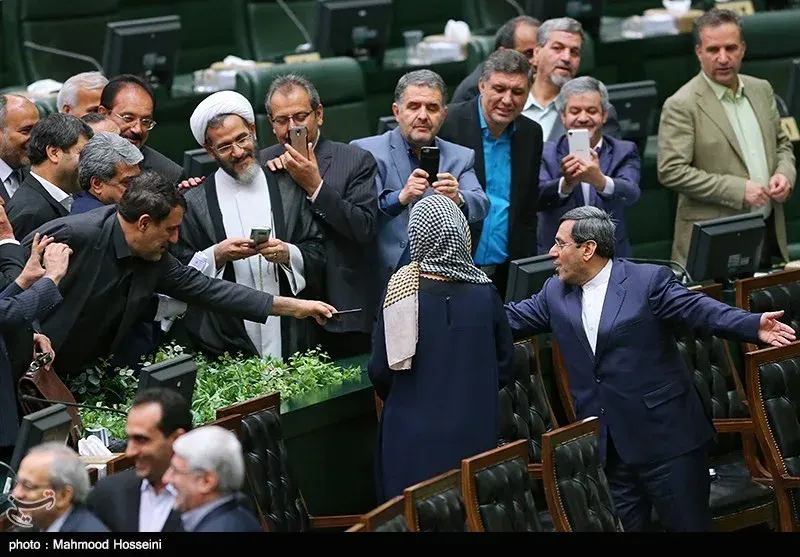
While the official narrative often emphasizes unity—highlighted by the large-scale memorial in Qom for the second anniversary of Hassan Nasrallah’s martyrdom—the jailing of a figure like Rasaei tells a different story. It suggests a crackdown on internal dissent within the conservative camp itself. For those watching the economy, these rifts are often precursors to policy shifts or increased market volatility. When the political elite are at odds, it creates uncertainty in governance that can quickly translate into fluctuations in the currency and gold markets.
What this means for the reader is a need for caution. Political instability, even when it is internal to the ruling structure, often leads to unpredictable economic moves. Whether this results in a shift in how the government handles international negotiations or simply more aggressive internal policing remains to be seen. However, the move against Rasaei confirms that the "hard-line" monolith is far from united, and the friction at the top is reaching a boiling point.
The Half-Million Dollar Daily Cost of AI Security
Finally, in the world of technology, OpenAI has dropped a bombshell regarding the cost of the modern AI race. The company revealed that it is currently spending $500,000 per day—roughly $180 million a year—just to review hacks and unauthorized access attempts, including those targeting government sites. The scale of the data being reviewed is staggering: 50 petabytes. To put that in perspective, OpenAI noted that it would take a human 66 million years to read through that much information.
This story highlights the "hidden tax" of artificial intelligence. As these systems become more powerful, they also become more attractive targets for state-sponsored and independent hackers. The fact that OpenAI has to deploy its own AI just to monitor its security indicates we have entered an era where AI is both the shield and the sword. For investors and tech enthusiasts, this is a reminder that the profitability of AI companies isn't just about how many people subscribe to ChatGPT; it’s about the massive, escalating infrastructure and security costs required to keep the lights on.
Beyond the financial cost, there is a broader implication for data privacy. OpenAI warned that more organizations might soon be informed that they were targets of these breaches. As AI agents become more integrated into government and healthcare systems, the surface area for attacks grows exponentially. This overnight report is a wake-up call that the AI revolution is as much about defense as it is about innovation.
Frequently Asked Questions
چرا با وجود ثبات دلار، قیمت سکه امامی ۲.۳٪ رشد کرده است؟
تزریق ۱۰۰ میلیون بشکه نفت توسط گروه ۷ چه تأثیری بر اقتصاد ایران دارد؟
دلیل بازداشت حمید رسایی در این مقطع زمانی چیست؟
Understanding the Strategic Petroleum Reserve and Its Impact on Global Oil Markets
The Strategic Petroleum Reserve (SPR) is the United States’ emergency stockpile of crude oil, created in the 1970s after the oil embargoes that shocked the world. Housed in massive underground caverns along the Gulf Coast, the SPR can hold up to 714 million barrels of oil, enough to power the nation for several months. Its primary purpose is to provide a buffer against sudden supply disruptions—whether caused by geopolitical conflict, natural disasters, or abrupt policy moves—thereby stabilizing domestic fuel prices and, indirectly, global markets.
When a major oil‑producing country or a consortium like the G7 decides to release oil from the SPR, it is essentially injecting supply into the market to counteract a price spike. In June 2024 the G7 agreed to release 50 million barrels over a few weeks, a move that helped temper the surge caused by production cuts in Russia and heightened tensions in the Middle East. Such coordinated releases are rare and signal to traders that the world has a “safety valve,” often leading to a short‑term dip in Brent and WTI prices.
Former President Donald Trump’s 2022 threat to impose a diesel export ban was another lever of policy‑driven supply control. While the threat never materialized, it illustrated how political leaders can use the prospect of restricting fuel flows to influence market expectations. If a country were to actually ban diesel exports, it would tighten global diesel supply, push up prices, and likely prompt other nations to tap their strategic reserves or negotiate emergency releases.
The SPR is not the only reserve in the world. Countries such as Japan, South Korea, and members of the European Union maintain their own strategic stockpiles, though on a smaller scale. Together, these reserves form a global safety net that can be activated during crises, reducing the severity of oil supply shocks—sudden, unexpected changes in supply that can cause rapid price fluctuations and economic instability.
Understanding how strategic reserves operate helps explain why headlines about “G7 oil releases” or “political ultimatums on fuel” matter far beyond national borders. They are tools that governments wield to smooth out the volatility inherent in a commodity that powers everything from cars to factories, and they underscore the deep link between geopolitics and the price you pay at the pump.
Topics
Related Articles