Russia Defends Iran’s Nuclear Rights as Trump Ties Global Energy Deals to Regional Conflict Risks
حمایت قاطع روسیه از حقوق هستهای ایران در میان تهدیدهای تعرفهای ترامپ و تنشهای امنیتی منطقه
Russia's envoy to Vienna has reaffirmed Iran's 'inalienable' right to a nuclear program, countering US pressure at the UN. Meanwhile, Donald Trump’s latest tariff threats against South Korea and security breaches in regional aviation are adding layers of volatility to the global energy and security landscape.
At time of publishing
USD
261,500
Toman
Gold 18K
26.03M
Toman / gram
Bitcoin
$84,638
US Dollar
Tether
264,480
Toman
Russia Reaffirms Support for Iran’s Nuclear Sovereignty
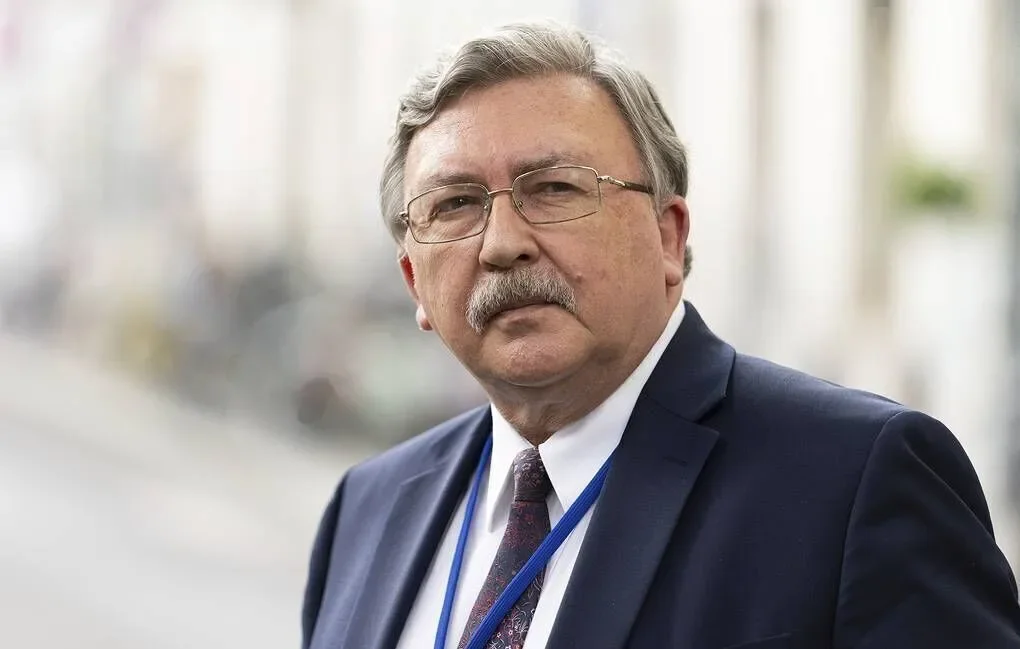
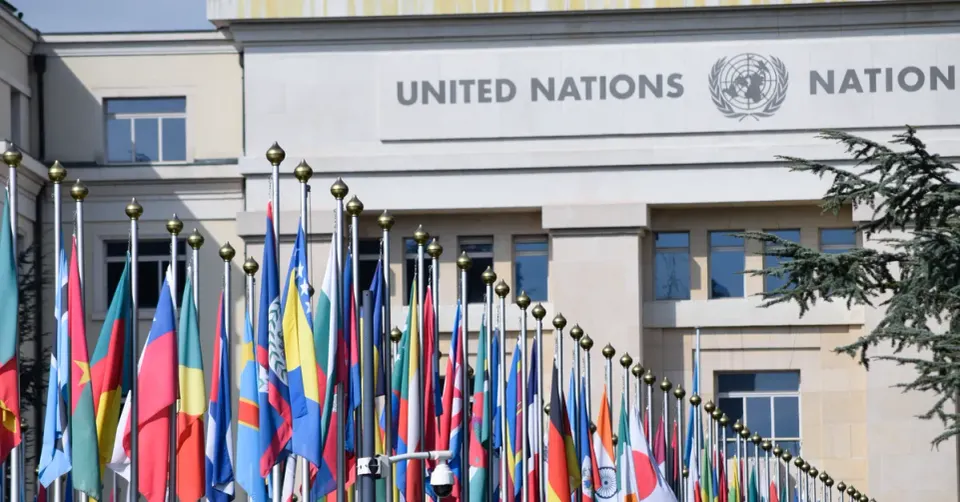
In a significant diplomatic move at the International Organizations in Vienna, Russia’s Permanent Representative, Mikhail Ulyanov, has robustly defended Iran’s nuclear program. Countering recent allegations from the United States envoy to the UN, Ulyanov stated that possessing a peaceful nuclear program is an "inalienable right" of the Islamic Republic. This rhetoric signals a tightening of the Moscow-Tehran axis as Western powers continue to push for stricter oversight and potential snapback sanctions. For Iranian markets, this diplomatic shield from a veto-wielding UN Security Council member provides a temporary psychological floor, suggesting that despite escalating rhetoric, a total diplomatic collapse remains unlikely in the immediate term.
However, the timing of these statements is critical. As the international community watches the shifting dynamics of the Middle East, Russia’s vocal support serves as a strategic counterweight to the Biden administration's—and potentially a future Trump administration's—pressure tactics. For the Iranian public, these diplomatic maneuvers are often viewed through the lens of currency stability. While the USD/IRR has remained relatively flat today, moving slightly from 261,700 to 261,500 (-0.1%), the underlying tension regarding the Joint Comprehensive Plan of Action (JCPOA) and its successors continues to drive the 'fear index' in local gold and coin markets.
Trump’s Energy Protectionism and the 'Iran War' Narrative
Across the Atlantic, Donald Trump has injected fresh volatility into global markets by threatening to double tariffs on South Korea. The ultimatum is tied to Seoul’s participation in the Alaska natural gas pipeline project; Trump insists that if South Korea does not pay its 'fair share' or commit to massive energy purchases, they will face severe economic penalties. This transactional approach to foreign policy is not limited to East Asia. Within the same political cycle, US midterms are being increasingly framed around the possibility of conflict with Iran, with Democrats and Republicans clashing over how a potential 'Iran war' would impact American voters and the global economy.
This development is particularly relevant for Iranian readers because it highlights the fragility of global energy supply chains. If the US moves toward a more protectionist energy policy while simultaneously stoking fears of regional conflict, the resulting uncertainty could lead to a spike in global oil prices. For Iran, which remains under heavy sanctions, any shift in how the US manages its energy allies like South Korea could indirectly affect the enforcement of oil export caps. The market is currently bracing for a potential flood of 100 million barrels of oil if G7 nations bow to Trump’s demands, a move that would fundamentally alter the revenue projections for the Iranian budget in the coming Persian calendar year.
---
Security Breaches and Regional Instability
Regional security has taken a concerning turn following reports that a co-pilot on a Flydubai flight was banned from flying by Omani authorities due to extremist views. The individual, who was allegedly involved in an altercation with a captain during a flight on September 30, had been flagged for holding radical ideological views. This incident has raised questions about security screening protocols within regional low-cost carriers and the broader safety of the Persian Gulf’s aviation corridors. At a time when regional tensions are already high, such internal security threats add a layer of unpredictability to travel and logistics.
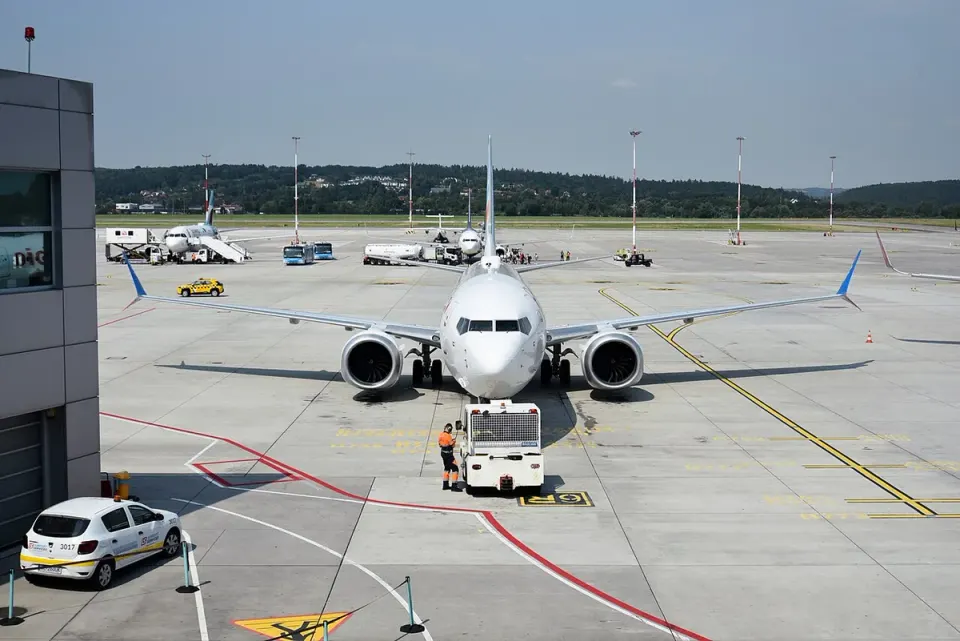
Simultaneously, domestic security remains a priority as the Islamic Revolution Guards Corps (IRGC) reported the dismantling of a terrorist cell in Sistan and Baluchestan Province. While official state media (IRNA) claims the group was neutralized before it could carry out operations, the persistent unrest in the southeast continues to be a point of concern for investors. Security in these border regions is often a precursor to broader national stability; any perception of a deteriorating security situation typically drives capital toward 'safe haven' assets like gold. This is reflected in today's market data, where the Emami coin has surged from 261,000,000 to 267,000,000 Toman, a significant 2.3% increase in just 24 hours.
Market Analysis: The Coin Bubble and Currency Stasis
As of 10:00 Tehran time on Saturday, October 3, 2026, the Iranian market exhibits a strange divergence. While the US Dollar sell rate has dipped marginally to 261,500 Toman, the gold coin market is overheating. The 2.3% jump in the Emami coin suggests that domestic investors are hedging against long-term geopolitical risks rather than immediate currency fluctuations. Gold 18k per gram has also seen a modest rise, moving from 25,947,643 to 26,028,440 Toman (+0.3%), tracking the global gold ounce price which sits at a staggering $4,141.80.

This trend indicates that while the central bank may be successfully managing the Rial's exchange rate in the short term, public confidence remains tethered to physical assets. The discrepancy between a stable dollar and a rising coin price often points to a 'bubble' fueled by domestic anxiety rather than external economic fundamentals. For the average consumer, this means the cost of living—often tied to gold prices in the Iranian psyche—continues to climb even as the headline exchange rate remains stagnant. Investors should remain cautious, as such sharp increases in coin prices without a corresponding move in the USD often precede a correction or a sharp adjustment in the currency market.
Frequently Asked Questions
چرا قیمت سکه امامی با وجود ثبات دلار افزایش یافته است؟
موضع جدید روسیه در مورد برنامه هستهای ایران چه تأثیری بر بازار دارد؟
تهدید ترامپ علیه کرهجنوبی چه ارتباطی به ایران دارد؟
Economic Sanctions: A Geopolitical Lever
Economic sanctions are restrictive measures taken by one or more countries against a target country, entity, or individual. Far from simple trade disputes, they are a powerful, non-military tool of foreign policy, designed to achieve specific geopolitical objectives. These objectives can range from deterring nuclear proliferation, combating terrorism, promoting human rights, to compelling changes in a target state's behavior. Sanctions can take various forms, including trade embargoes, asset freezes, travel bans, restrictions on financial transactions, and limitations on access to international markets and technologies.
A prominent example of economic sanctions in action is the extensive regime imposed on Iran, largely in response to concerns over its nuclear program. Nations, particularly the United States, have utilized these measures to pressure Tehran into curbing its uranium enrichment activities and adhering to international non-proliferation agreements. The aim has been to limit Iran's access to funds and technologies that could advance its nuclear ambitions, thereby preventing it from developing nuclear weapons. This strategy reflects a belief that economic pain can translate into political concessions.
However, the efficacy and ethical implications of economic sanctions are subjects of ongoing debate. While proponents argue they offer an alternative to military intervention, critics highlight their potential to cause humanitarian crises, disproportionately affecting civilian populations rather than the ruling elites. They can also foster black markets, encourage self-sufficiency in target states, or push them closer to allies willing to circumvent the sanctions, as seen with Iran's relationship with certain countries, including Russia. The long-term impact on global trade and the international financial system also remains a complex consideration.
The news headline, "Russia Defends Iran’s Nuclear Rights as Trump Ties Global Energy Deals to Regional Conflict Risks," perfectly illustrates the dynamic interplay of economic sanctions and international diplomacy. Donald Trump's approach epitomized the use of economic leverage, tying access to lucrative energy deals and global markets to compliance with U.S. foreign policy objectives and regional stability. Conversely, Russia's defense of Iran's nuclear rights often involves diplomatic support and potentially economic pathways that help mitigate the impact of Western sanctions, showcasing the geopolitical competition inherent in such measures. Understanding economic sanctions is crucial for grasping the intricate power struggles and policy tools shaping our global landscape.