Cinema Returns to Tehran as Trump Dangles $20m Nuclear Bounty
بازگشت جشن سینما به تهران زیر سایه سنگین پاداش ۲۰ میلیون دلاری ترامپ
While Tehran's cultural elite prepares for the first Cinema Celebration in seven years, the geopolitical temperature has spiked following a massive US bounty for nuclear secrets. Markets remain in a tense holding pattern as gold edges higher.
At time of publishing
USD
266,000
Toman
Gold 18K
25.57M
Toman / gram
Bitcoin
$75,726
US Dollar
Tether
266,949
Toman
Market Open — Sunday, November 8, 2026
The Tehran market opened this morning with a sense of cautious stagnation. The US Dollar (USD/IRR) remained unchanged at 266,000 Toman, reflecting a market that is currently digested past volatility and waiting for a fresh catalyst. Despite the flat currency movement, gold enthusiasts saw a slight uptick; 18-karat gold rose by 0.3% to reach 25,571,356 Toman per gram. This divergence suggests that while the Rial is holding its ground for the moment, investors are still hedging against uncertainty by moving into bullion.
In the coin market, the benchmark Emami coin saw a marginal decline of 0.2%, settling at 259,500,000 Toman. Bitcoin continues to hover in a high-altitude range at $75,726, maintaining its status as the preferred alternative for those looking to exit local currency risk. Overall, the mood in the Ferdowsi and Sabzeh Meydan districts is one of 'wait and see,' as traders keep one eye on the international headlines and the other on the central bank's next intervention move.
The Return of the Cinema Celebration: A Cultural Barometer
After a long and controversial seven-year hiatus, the Iranian Cinema Celebration is officially returning to the calendar. A press conference held at the Cinema House (Khaneh Cinema) on Saturday confirmed that the event is scheduled for next month. This is more than just a red-carpet event; for many in Tehran, the Cinema Celebration has historically served as a barometer for the country’s social and cultural climate. Its suspension years ago was a symptom of deep-seated institutional friction and tightening censorship, and its return is being viewed by some as a tactical 'thaw' in the domestic atmosphere.

Organizers emphasized that the upcoming celebration aims to bridge the gap between different generations of filmmakers. However, the move comes at a time when the industry is still reeling from years of pressure and the rise of underground cinema. Whether this revival leads to a genuine expansion of artistic freedom or remains a controlled symbolic gesture is the question on every critic's mind. For the average Iranian, it represents a rare moment of institutional continuity in a landscape often defined by abrupt halts and policy shifts.
Trump’s $20m Nuclear Bounty: Escalating Intelligence Warfare
The geopolitical landscape shifted significantly overnight as news broke that the US government, under the direct influence of Donald Trump’s administration, has offered a staggering $20 million reward for information regarding Iran’s nuclear program. This move is part of a broader strategy to incentivize high-level defections and gather actionable intelligence that could justify renewed strikes against nuclear facilities. By putting such a high price tag on information, Washington is signaling that its 'Maximum Pressure' campaign has entered a more aggressive, clandestine phase.
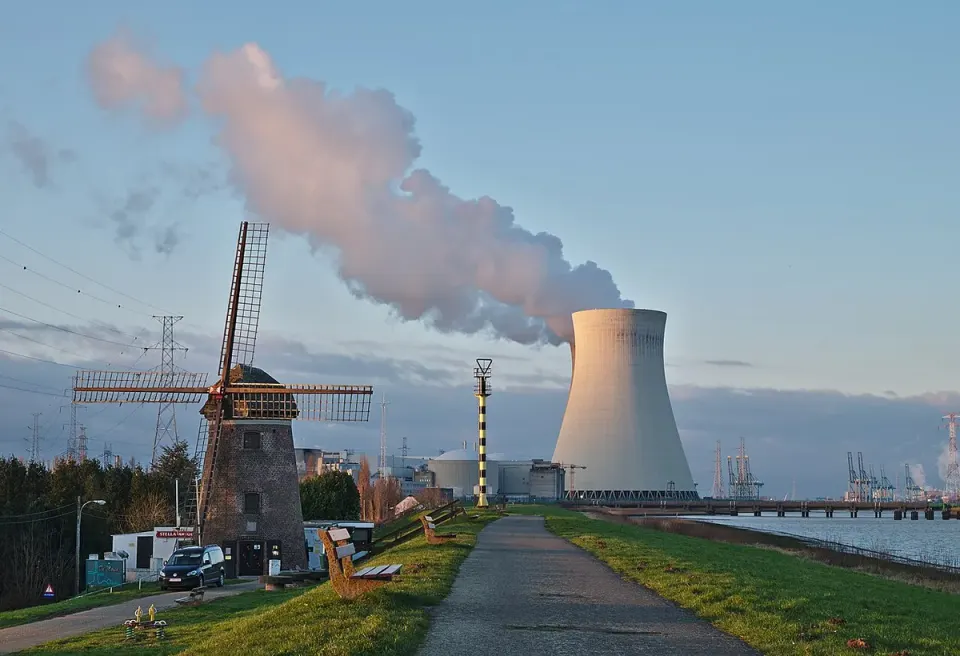
This development has immediate implications for regional stability. The prospect of renewed strikes, which Trump has repeatedly floated, adds a significant risk premium to all Iranian assets. For the financially-aware reader, this bounty is a clear indicator that the 'quiet' period in US-Iran relations is over. Intelligence warfare of this scale often precedes more overt diplomatic or military confrontations, and the market’s current stability may be the 'calm before the storm' as the reality of this escalation sinks in.
Global Monarchs and Local Victories: A Study in Contrast
While the Middle East grapples with nuclear tensions, King Charles III has been seen embracing his role as a global statesman during a rain-soaked tour of the Caribbean. The tour has been marked by difficult conversations regarding Britain’s colonial past and demands for reparations. It highlights a global trend where traditional institutions are being forced to reckon with historical grievances in real-time. For the UK, this is about maintaining relevance in a post-colonial world; for the world, it is a reminder that even the most stable institutions are under pressure to transform.

Back home, the national spirit received a dual boost from the worlds of sports and martial arts. Iranian kurash fighters secured six bronze medals on the opening day of the 15th World Kurash Championships in Astana, Kazakhstan, showcasing the country’s enduring strength in individual combat sports. Simultaneously, in the Persian Gulf Pro League, Tractor secured a decisive 2-0 victory over Kheybar in Tabriz. These moments of athletic success provide a necessary psychological reprieve for a public navigating a complex economic and political reality, proving that even under the shadow of global sanctions, the local pulse remains vibrant.
Frequently Asked Questions
چرا قیمت دلار با وجود خبر پاداش ۲۰ میلیون دلاری آمریکا تغییر نکرد؟
اهمیت بازگشت جشن سینما برای اقتصاد چیست؟
پاداش ۲۰ میلیون دلاری دولت ترامپ چه معنایی برای آینده برجام دارد؟
The Economic Ripple Effect of Sanctions: Currency Devaluation and Inflation
Economic sanctions are powerful foreign policy tools, typically imposed by one or more countries against another to compel a change in behavior, such as halting a nuclear program or improving human rights. These measures can range from trade embargoes and financial restrictions to asset freezes and travel bans. While their stated goal is often political, their most immediate and tangible impact is frequently felt within the target country's economy, creating a ripple effect that touches everything from currency values to the price of everyday goods.
One of the most direct consequences of comprehensive economic sanctions is the severe pressure they exert on a country's currency. By restricting access to international markets, limiting foreign investment, and often targeting key export revenues (like oil), sanctions drastically reduce the inflow of foreign currency, particularly hard currencies like the US dollar. This scarcity of foreign exchange, coupled with continued demand for imports, leads to a significant depreciation of the local currency. For instance, the USD/IRR exchange rate in Iran has historically seen sharp increases during periods of heightened sanctions, reflecting the rial's loss of purchasing power against the dollar.
This currency devaluation, in turn, fuels inflation. As the local currency weakens, imported goods become prohibitively expensive, driving up the cost of raw materials, consumer products, and even food. Domestic producers reliant on imported components face higher costs, which they pass on to consumers. Furthermore, the uncertainty and economic instability created by sanctions can lead to a lack of investment, reduced production, and a general erosion of trust in the economy, exacerbating inflationary pressures. In such environments, assets like gold often become a favored store of value, as people seek to protect their savings from the rapidly diminishing purchasing power of their national currency.
The mention of a "nuclear bounty" or potential sanctions relief, as hinted in the headline, illustrates the inverse effect. Any prospect of easing sanctions or receiving financial incentives can signal a potential increase in foreign currency inflows and renewed access to international markets. Such developments can lead to an appreciation of the local currency, a reduction in inflationary pressures, and a general improvement in economic sentiment, demonstrating the profound and immediate impact of geopolitical shifts on a nation's financial landscape.