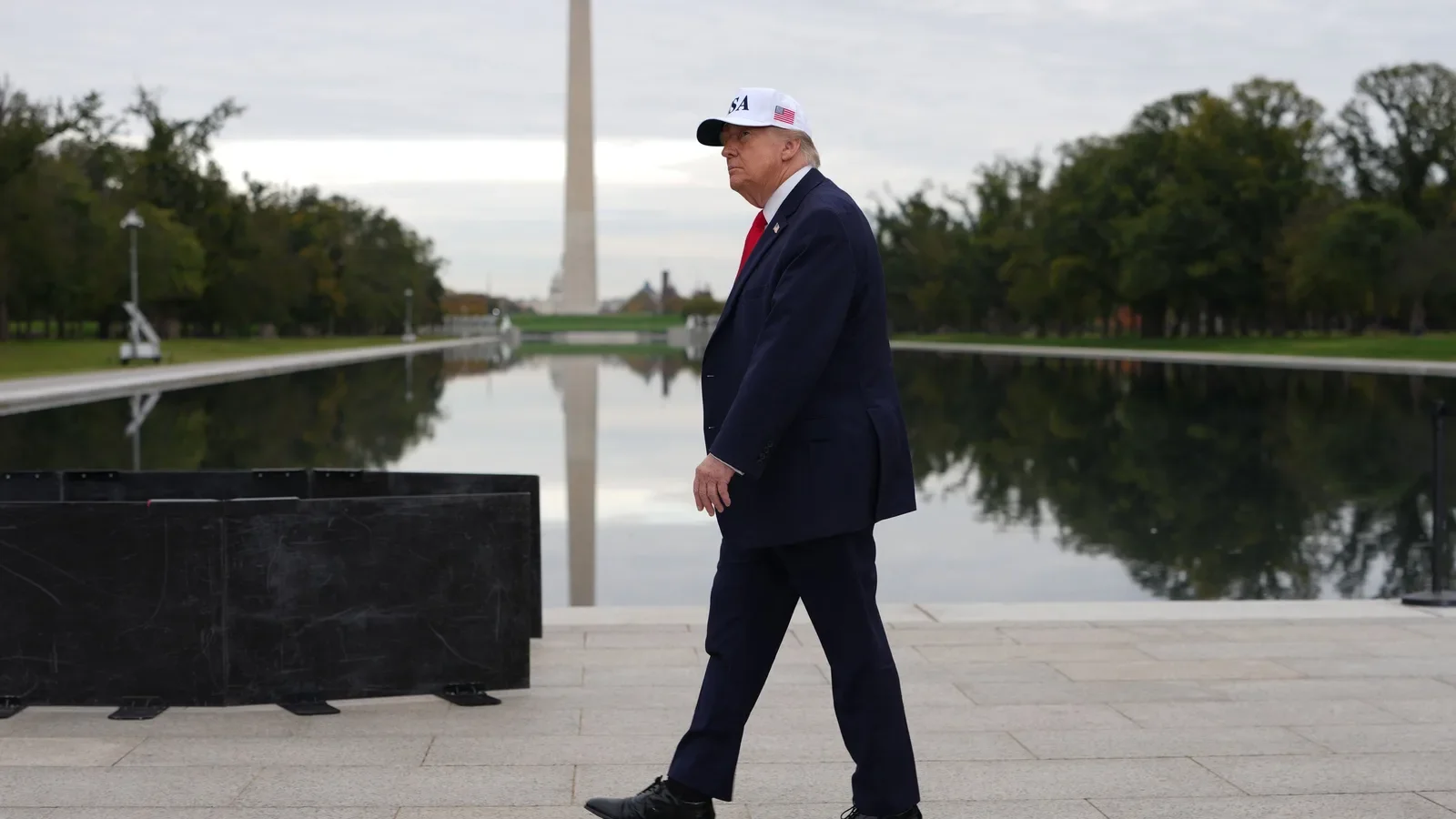
Trump’s Iran Dilemma: Washington Clashes Over Escalation as Oil Markets React to Hormuz Attacks
بنبست واشینگتن در برابر تهران؛ سایه سنگین تنشها بر بازار جهانی نفت و دلار تهران
The Trump administration is reportedly paralyzed by internal debates over Iran strategy, weighing military strikes against diplomatic overtures. Meanwhile, oil prices are rebounding as peace hopes fade and tanker attacks in the Persian Gulf reach record levels.
At time of publishing
USD
258,200
Toman
Gold 18K
25.76M
Toman / gram
Bitcoin
$73,868
US Dollar
Tether
252,971
Toman
Market Open — Wednesday, November 11, 2026
The Tehran market opened this Wednesday, November 11, 2026, with a cautious but firm stance on the US Dollar. The greenback rose slightly from 258,000 to 258,200 Toman, a marginal 0.1% increase that reflects the high-stakes waiting game currently being played in international corridors. While the currency market remains on edge, the gold sector showed a rare moment of stability; 18k gold held steady at 25,762,962 Toman per gram, showing no change over the last 24 hours.
In contrast, the benchmark Emami coin experienced a slight cooling, dropping from 254,000,000 to 253,000,000 Toman, a 0.4% decline. This divergence suggests that while large-scale capital is hedging against geopolitical risk via the Dollar, retail investors might be taking small profits or shifting liquidity toward the crypto market, where Bitcoin continues to hover around the $73,868 mark. The atmosphere is one of 'wait and see,' as traders digest overnight reports regarding the shifting tides of American foreign policy toward the region.
No Good Choices: The Trump Administration’s Iran Gridlock
Reports emerging from Washington indicate a growing rift within the Trump administration over how to handle the 'Iran problem.' Top aides are reportedly clashing over whether to pursue a path of rapid military escalation, targeted strikes, or a return to the negotiating table. According to reports from the New York Times, there are 'no good choices' left on the table. The administration is caught between the failure of previous 'maximum pressure' campaigns to force a total collapse and the realization that a full-scale conflict could derail the global economy.

For the Iranian reader, this internal Washington friction is the primary driver of market volatility. If the hawks win the debate, we could see a renewed tightening of the secondary sanctions loop, further squeezing the Rial. Conversely, the mention of 'diplomacy' provides a temporary ceiling for the Dollar's rise. The current deadlock suggests that the US is unlikely to make a decisive move before the end of the year, leaving the Iranian economy in a state of suspended animation, reacting to every leak and rumor from the West Wing.
Oil Markets Rebound as Peace Optimism Fades
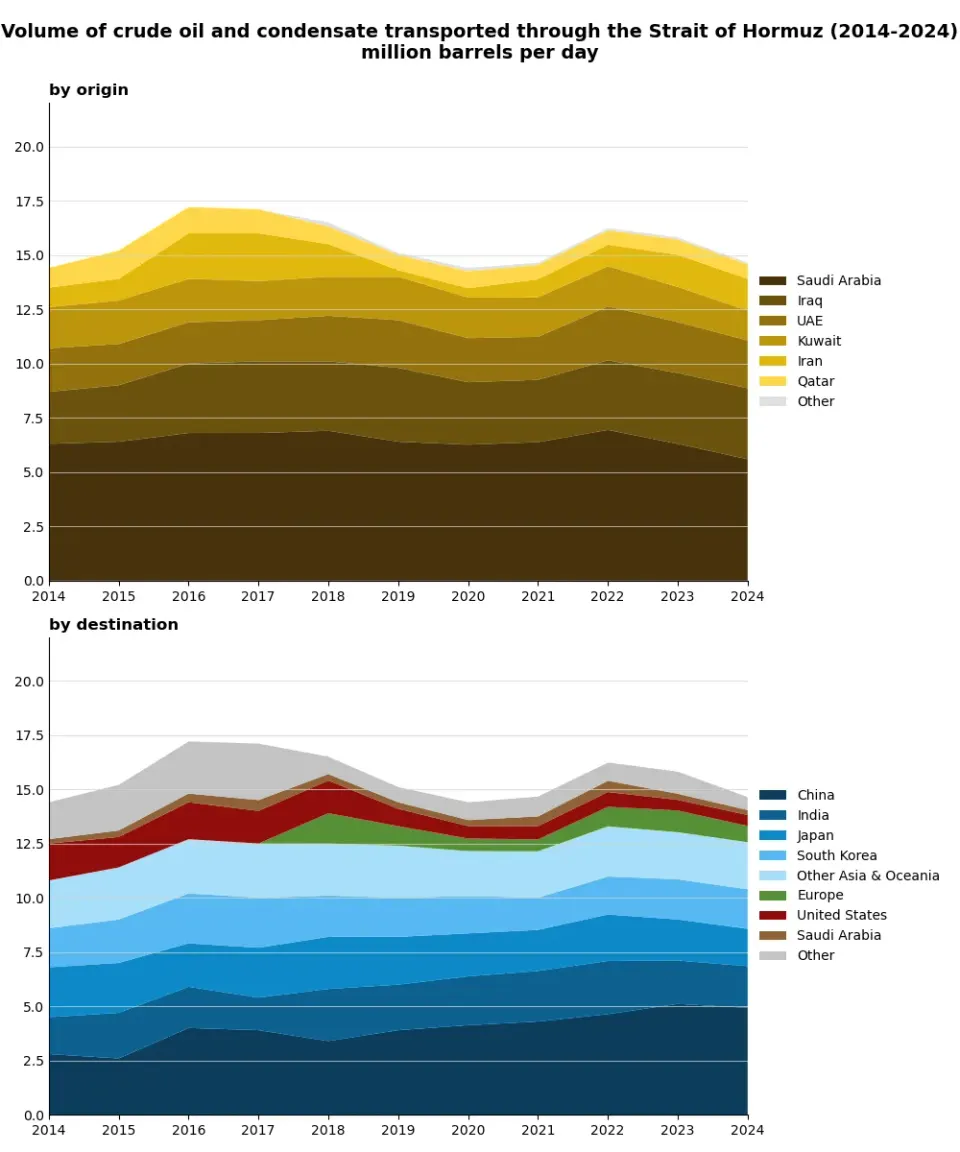
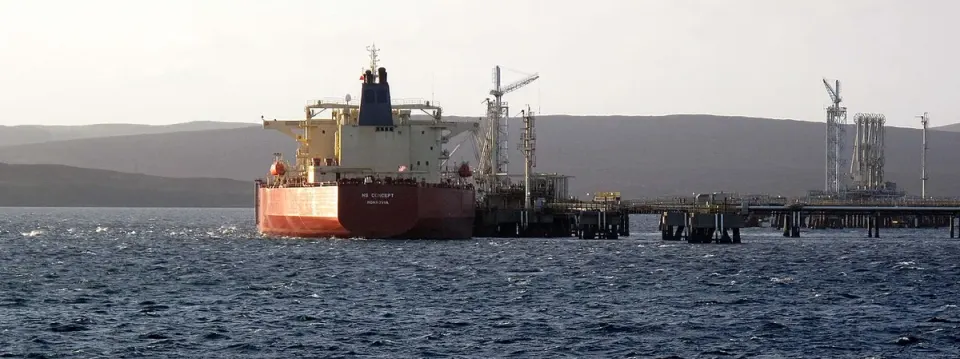
The global energy market has done a sharp U-turn. Brent crude is currently trading at $92.43 per barrel, while West Texas Intermediate (WTI) has climbed to $86.62. This price action follows a wave of pessimism regarding a potential peace deal between Washington and Tehran. Traders who were betting on a de-escalation are now pulling back as tanker attacks in the Strait of Hormuz reached a record high in October, with at least 37 vessels targeted recently.
This spike in oil prices is a double-edged sword for Iran. While higher prices theoretically increase the value of exported crude, the increased 'war risk' premiums and record tanker insurance rates are eating into those margins. Furthermore, the persistent instability in shipping lanes ensures that the global supply chain remains fragile. For the average person in Iran, this translates to sustained inflationary pressure, as the cost of importing essential goods rises alongside the global energy benchmarks.
Global War Footing: From Ukraine to Arizona
In a bizarre twist of globalized conflict, Ukraine has reported the capture of its first Indonesian prisoner of war. The 49-year-old man from Java was reportedly recruited by Moscow as part of a surge in foreign recruitment to bolster Russian frontlines. This development highlights the increasingly desperate search for manpower in the ongoing war, a conflict that Iran remains tangentially linked to through its own defense cooperation with Russia. The globalization of the battlefield means that regional tensions are no longer isolated; a shift in the Donbas can now ripple through SE Asian recruitment and Middle Eastern diplomatic leverage.
Closer to home, a deportation flight carrying Iranian immigrants back to Tehran was forced to turn back and land in Arizona. While the reasons remain tied to logistical and legal hurdles, it underscores the hardening of US border policies under the current administration. Even as Washington debates grand strategy and strikes, the human element of the tension remains fraught with uncertainty. Whether it is a prisoner in Zaporizhzhia or a deportee in Arizona, the lack of a clear diplomatic framework between Iran and the West continues to disrupt lives and markets alike.
Frequently Asked Questions
چرا قیمت دلار با وجود اخبار منفی، جهش بزرگی نداشته است؟
آیا افزایش قیمت نفت به سود اقتصاد ایران است؟
ماجرای سرباز اندونزیایی در اوکراین چه ارتباطی به ایران دارد؟
The Strategic Importance of the Strait of Hormuz and Its Influence on Global Oil Prices
The Strait of Hormuz, a narrow waterway between the Persian Gulf and the Gulf of Oman, is one of the world’s most critical maritime chokepoints. At its narrowest point the channel is only about 21 nautical miles wide, yet it handles roughly 20% of global oil seaborne trade, including a large share of the United States’ strategic petroleum reserves. Because virtually every major oil‑producing nation in the Middle East—Saudi Arabia, Iraq, Kuwait, the United Arab Emirates and Iran—relies on this passage to ship crude to international markets, any threat to its free flow instantly becomes a global concern.
When vessels are delayed, rerouted, or attacked in the Hormuz corridor, the immediate market reaction is a spike in benchmark prices such as Brent crude. Traders price in a “geopolitical risk premium,” a speculative addition that reflects the uncertainty of supply. For example, a brief closure of the strait in 2019 pushed Brent prices up by more than $10 per barrel within days. The premium can be amplified when tensions involve major powers—U.S. naval deployments, Iranian missile strikes, or proxy conflicts—because the perceived risk of a sustained disruption grows.
The strategic calculus goes beyond oil. Higher oil prices feed into inflation, affect the value of the U.S. dollar, and can pressure exchange rates in oil‑importing economies, such as Iran’s rial (IRR). Conversely, oil‑exporting nations see windfalls that can bolster their fiscal balances but also invite sanctions or diplomatic backlash. The interplay between the Hormuz chokepoint, oil markets, and broader geopolitical rivalries—like the Ukraine war’s impact on Russian energy exports—demonstrates how a single geographic squeeze can reverberate through the global financial system.
Understanding the Hormuz dynamic helps investors, policymakers, and citizens grasp why headlines about “escalation” or “attacks” matter far beyond the Middle East. It is not merely a regional dispute; it is a lever that can shift global commodity prices, influence currency markets, and reshape economic outlooks worldwide.
Topics
Related Articles