Hormuz Tanker Fire Sparks Security Fears as Nvidia's Leadership Crisis Shakes Global Tech
انفجار در نزدیکی تنگه هرمز و سقوط امپراتوری انویدیا؛ دوشنبهای که آرام نیست
A tanker fire near the world's most vital energy chokepoint has spiked regional tensions, while the ongoing collapse of Nvidia's leadership sends shockwaves through global equity markets. Despite the geopolitical heat, oil prices face downward pressure from a looming global supply glut.
At time of publishing
USD
266,700
Toman
Gold 18K
24.43M
Toman / gram
Bitcoin
$64,401
US Dollar
Tether
269,415
Toman
Market Open — Stability Amidst Regional Friction
Good morning from the Arzbin editorial desk. Today is Monday, November 16, 2026. As the Iranian markets open this morning, we are seeing a landscape of cautious stability despite a volatile news cycle overnight. The US Dollar (USD/IRR) is holding steady at 266,700 Toman, showing no change over the last 24 hours. This suggests that the local market has already priced in much of the ongoing regional tension, or is perhaps waiting for more concrete developments before committing to a new direction.
In the precious metals sector, Gold 18k/gram has seen a slight retreat, falling from 24,495,590 to 24,428,643 Toman, a marginal decrease of 0.3%. Emami coins remain flat at 251,000,000 Toman. Meanwhile, in the digital asset space, Bitcoin is struggling to regain its momentum, pinned below the $65,000 mark at $64,401. The lack of a strong upward catalyst in crypto, combined with persistent ETF outflows, has left sentiment in a state of 'dither,' mirroring the broader uncertainty in global risk assets.
Crisis at the Chokepoint: Tanker Fire East of Hormuz
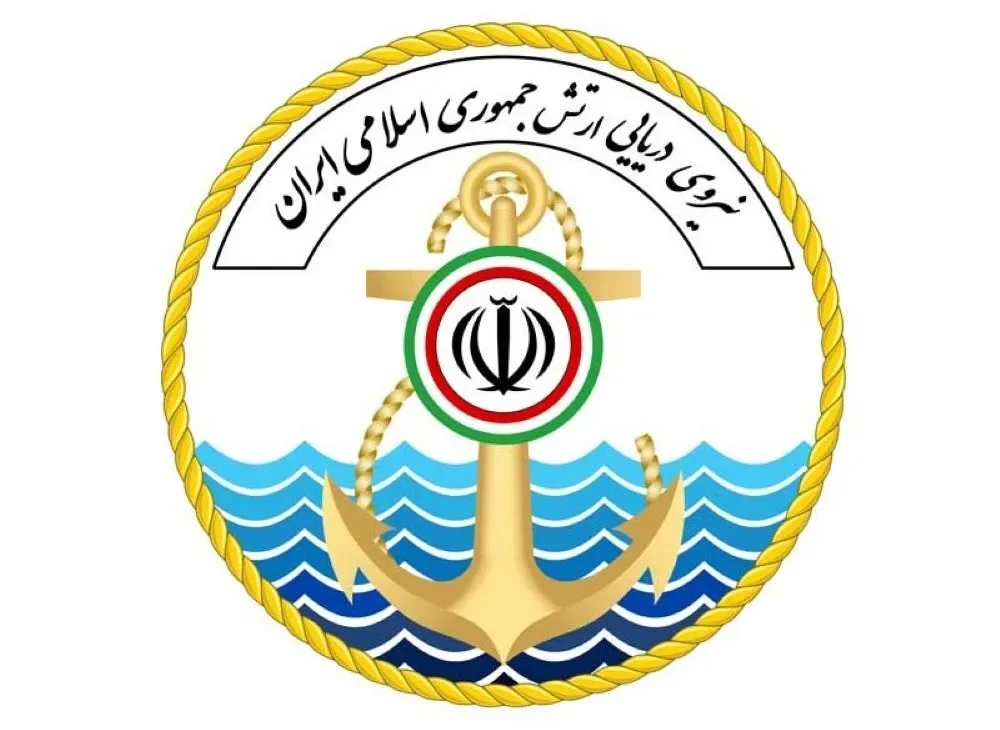
In the early hours of Monday, the Islamic Republic of Iran Navy reported a significant maritime incident east of the Strait of Hormuz. According to official reports, a vessel described as 'violating maritime regulations' caught fire after striking a naval mine. While the identity of the tanker and its cargo remain under investigation, the location of the incident—just outside the world’s most critical energy artery—has immediately put global shipping insurance markets on high alert. This development follows a string of similar frictions in the region, adding a fresh layer of risk to an already fragile maritime corridor.
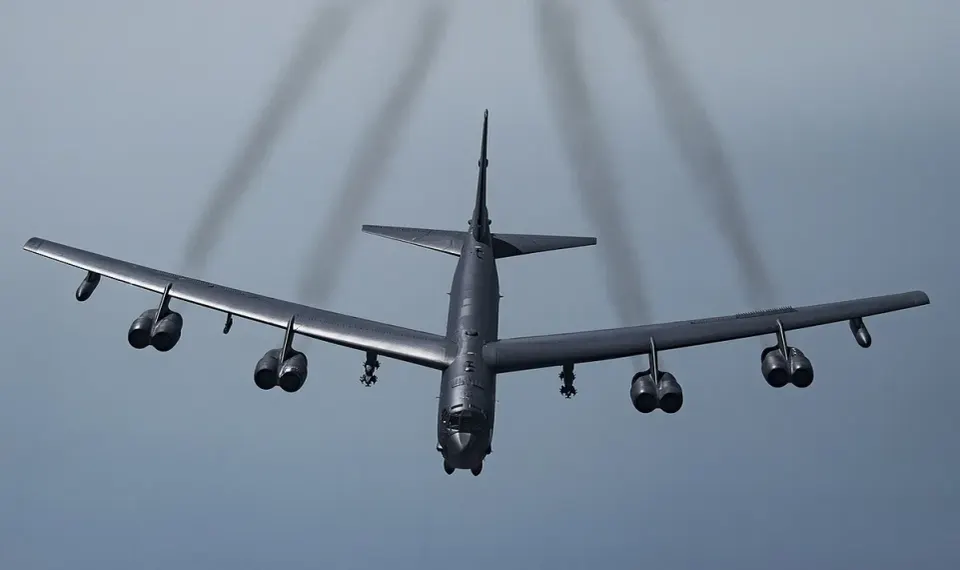
The timing of this fire is particularly sensitive. It occurs as regional actors are navigating a complex web of diplomatic and military pressures. For Iranian readers, such incidents often serve as a precursor to shifts in the currency black market, as they signal potential escalations that could lead to tighter sanctions or disrupted trade routes. Although the Navy's statement frames the event as a consequence of a 'maritime violation,' the international community is likely to view this through the lens of ongoing regional power dynamics, especially as the U.S. continues to pressure Iraq over alleged oil smuggling involving Iran-aligned groups.
The Nvidia Earthquake: Can the Chip King Survive the Scandal?
The global technology sector is reeling this morning following the dramatic resignation of Nvidia CEO Jensen Huang. What began as a corporate scandal involving an alleged affair with a suspected Chinese spy, Alice Huang, has now transformed into a full-blown existential crisis for the world’s most valuable chipmaker. With Huang out, the company faces deep uncertainty, and major tech figures like Elon Musk have joined over 165,000 people in signing an open letter demanding his reinstatement. The market's reaction has been swift and brutal; Asian chip stocks, including those in Japan and South Korea, tumbled overnight as investors realized just how much of the global economy—and their own retirement portfolios—is 'hitched' to Nvidia's wagon.

This isn't just a story about a CEO's personal life; it is a story about global supply chain security and the future of AI. Allegations that advanced AI chips may have ended up in China despite U.S. restrictions have prompted the U.S. Treasury to call for a 'dramatic shake-up' at the company. For the average investor, the concern is systemic. As MarketWatch noted, a massive chunk of global 401(k) and pension funds are heavily weighted in Nvidia. If the company’s leadership vacuum persists or if the investigation reveals deeper legal liabilities, we could be looking at a prolonged correction in the tech-heavy S&P 500, which would inevitably dampen global risk appetite and strengthen the US Dollar as a safe haven.
The Oil Paradox: Geopolitical Heat vs. Economic Glut
In a normal year, a tanker fire in the Strait of Hormuz would send oil prices skyrocketing. However, we are currently witnessing a fascinating paradox in the energy markets. Despite the incident east of Hormuz and reports of Iraq being forced to truck oil through Syria due to pipeline disruptions, Brent crude prices actually fell this morning to $95.24 per barrel. The primary driver is a sobering report from the International Energy Agency (IEA), which suggests the global oil market is swinging back into a massive oversupply (glut) during this quarter.

This supply glut is acting as a heavy lid on prices, preventing a 'war premium' from taking hold. For Iran, which relies heavily on oil revenue to stabilize its domestic economy, this is a double-edged sword. While lower prices might ease global inflation, they also mean less hard currency flowing into the state coffers at a time when the government is already facing immense fiscal pressure. Furthermore, with Asia rapidly building out nuclear capacity—73% of the world's new reactors are being built there—the long-term demand for fossil fuels is being structurally challenged, forcing oil-dependent nations to reconsider their economic survival strategies in a post-peak-oil world.
Frequently Asked Questions
Why did oil prices fall despite the tanker fire in the Strait of Hormuz?
What is the impact of the Nvidia scandal on average investors?
Did the USD/IRR exchange rate react to the overnight news?
The Strait of Hormuz: A Global Energy Chokepoint
The Strait of Hormuz is one of the world's most critical maritime chokepoints, a narrow waterway connecting the Persian Gulf to the Arabian Sea and beyond. Geographically, it's a mere 21 nautical miles (39 kilometers) wide at its narrowest point, yet it serves as the sole sea passage from the vast oil and gas fields of the Middle East to global markets. Its strategic location makes it indispensable for international energy trade, with a significant portion of the world's seaborne oil — roughly one-fifth of global consumption — passing through its waters daily.
This immense traffic underscores its economic vulnerability. The U.S. Energy Information Administration (EIA) has consistently highlighted the Strait's role as the world's most important oil transit chokepoint. Any disruption, whether from geopolitical tensions, military incidents, or even perceived threats like tanker fires, can send shockwaves through global energy markets. Such events immediately trigger concerns about supply security, often leading to spikes in crude oil prices and increased volatility, impacting economies worldwide.
Understanding the Strait of Hormuz's strategic importance is crucial for comprehending global energy security. Nations heavily reliant on oil imports, as well as oil-exporting countries, closely monitor developments in this region. The potential for disruption not only affects the physical flow of oil but also influences geopolitical calculations, defense strategies, and international relations. It's a stark reminder of how geographically confined areas can hold immense sway over the global economy and political stability.
Topics
Related Articles