Strait of Hormuz Tension: IRGC Downs 58th US MQ-9 as Markets Hold Breath
تنش در تنگه هرمز: سرنگونی پنجاه و هشتمین پهپاد آمریکایی و آرامش شکننده در بازارها
A major drone shootdown in the Persian Gulf sets a tense tone this Saturday morning. While the IRGC confirms the 58th MQ-9 loss for the US, the Rial remains stable, and gold sees a slight retreat.
At time of publishing
USD
272,900
Toman
Gold 18K
23.26M
Toman / gram
Bitcoin
$55,713
US Dollar
Tether
275,053
Toman
Market Open — Saturday, November 21, 2026
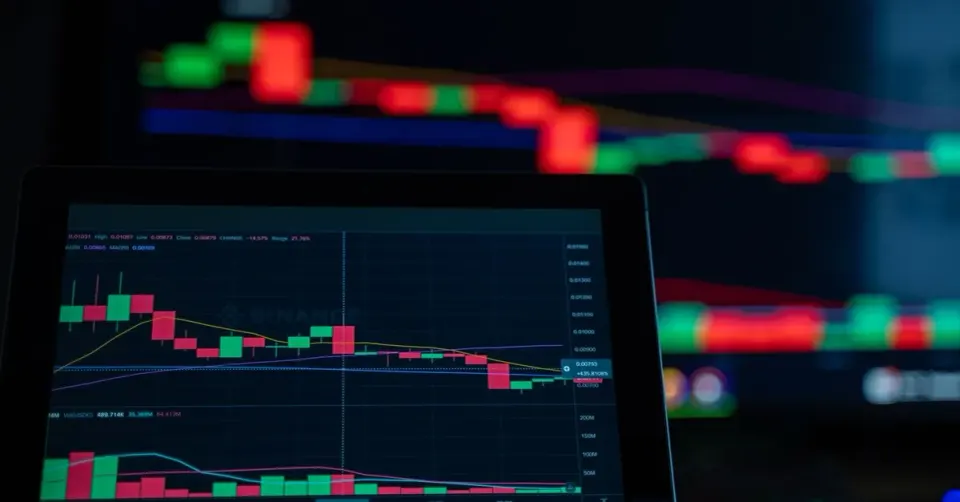
Good morning. As we open the session on this Saturday, November 21, 2026, the Iranian market appears to be in a state of watchful waiting. Despite significant overnight geopolitical developments, the US Dollar (USD/IRR) remained flat, trading at 272,900 Toman. This stability suggests that the market has already priced in a high level of regional tension, or perhaps traders are waiting for a more definitive signal before moving the needle.
In the precious metals sector, we are seeing a slight cooling off. Gold 18k/gram fell by 0.4%, settling at 23,258,229 Toman. More notably, the Emami coin saw a sharper decline of 1.6%, dropping to 246,000,000 Toman. This suggests a reduction in the 'risk premium' or a temporary saturation in the domestic coin market. Meanwhile, Bitcoin is trading at $55,713, continuing its period of consolidation as global investors weigh the impact of shifting US regulatory stances and the recent price volatility that has put pressure on miners.
Escalation in the Strait: IRGC Downs 58th US MQ-9 Drone
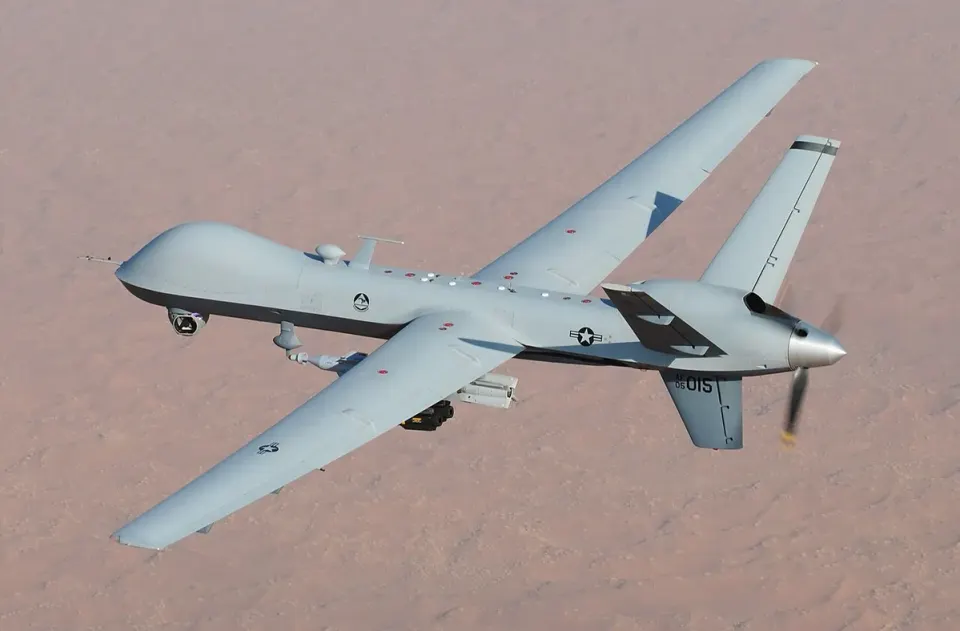
The most significant story overnight comes from the Persian Gulf. The Islamic Revolution Guards Corps (IRGC) announced the shootdown of a US MQ-9 Reaper drone over the Strait of Hormuz. This marks the 58th time such an aircraft has been downed, a staggering number that underscores the persistent and high-stakes surveillance-and-denial game occurring in one of the world's most vital maritime chokepoints. The MQ-9, a multi-million dollar asset capable of long-endurance surveillance and precision strikes, has become a recurring casualty in this regional friction.
This incident is not just a military statistic; it is a signal of hardening air defense capabilities and a refusal to allow unchecked surveillance in sensitive waters. For the Iranian reader, this translates into a higher 'geopolitical floor' for asset prices. While the Rial hasn't spiked today, such events maintain a constant pressure on the economy, reinforcing the necessity of sanctions-resilient trade and keeping the threat of sudden market volatility ever-present. The Strait of Hormuz remains the primary lever of regional influence, and every drone downed is a reminder of how quickly the situation can escalate.
A Nation in Remembrance: Commemorating the Martyred Leader
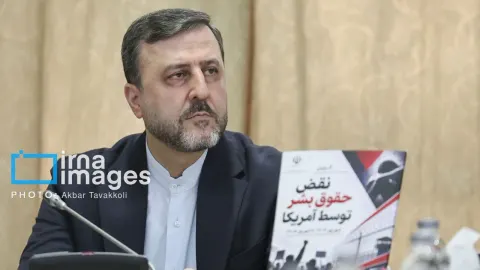
On the domestic front, Iran is marking a somber anniversary. Today, شنبه ۳۰ آبان ۱۴۰۵, events are being held across the country to commemorate the martyrdom of Ayatollah Seyyed Ali Khamenei, the Leader of the Islamic Revolution, who was martyred on this day in 2026. Official ceremonies at the site of his martyrdom have brought together high-ranking officials and the public, reflecting a period of significant transition and national reflection. This commemoration is occurring alongside a renewed diplomatic push at the United Nations, where Iran’s mission recently reminded the world of the Minab school tragedy, where 168 students and teachers were killed in a historical missile attack.
These events serve to solidify internal cohesion during a time of immense external pressure. By linking current geopolitical struggles to historical grievances and the sacrifice of leadership, the state aims to maintain public resolve. For investors and business owners, these periods of national mourning and commemoration often coincide with a lull in private sector activity but a surge in state-driven narrative setting. Understanding the internal political climate is crucial for predicting long-term policy shifts, especially regarding how the new leadership structure will navigate the ongoing economic and diplomatic challenges.
Geopolitical Fractures: Zelensky, Putin, and the Trump Factor
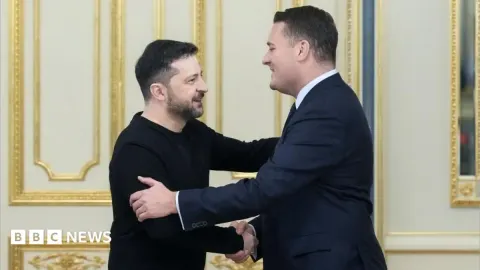
On the global stage, the rhetoric surrounding the war in Ukraine has taken a sharp, personal turn. President Volodymyr Zelensky recently labeled Vladimir Putin a "killer," a direct response to former US President Donald Trump’s recent comments describing the Russian leader as a "friend." This verbal escalation comes on the heels of some of the largest Russian air attacks of the year against Ukrainian infrastructure. The clash of narratives highlights a deep fracture in Western alliances, particularly as the possibility of a shift in US foreign policy looms large.

What does this mean for Iran? The relationship between Moscow and Tehran has deepened significantly due to shared interests in bypassing Western sanctions and military cooperation. Any shift in how the US handles the Ukraine conflict—whether through a 'friendly' Trump-led rapprochement or continued escalation—will directly impact the global energy market and the secondary sanctions regime that Iran navigates daily. If the US moves toward a deal with Russia, it could isolate Iran or, conversely, provide a blueprint for how 'outlier' states might negotiate with a more transactional Washington. The volatility in global leadership ensures that the geopolitical landscape of 2026 remains as unpredictable as ever.
Frequently Asked Questions
چرا قیمت دلار علیرغم خبر سرنگونی پهپاد افزایش نیافت؟
دلیل افت ۱.۶ درصدی قیمت سکه امامی چیست؟
تأثیر اظهارات زلنسکی و ترامپ بر بازار ایران چیست؟
Understanding Geopolitical Risk and its Impact on Global Markets
Geopolitical risk refers to the potential for political instability, conflicts, or international tensions to disrupt global economic activity and financial markets. Events like the downing of a drone in a critical maritime chokepoint, as described in the headline, immediately trigger concerns among investors and policymakers. This risk isn't just about direct military confrontation; it encompasses a spectrum of scenarios, from trade disputes and sanctions to regional conflicts, all of which can introduce significant uncertainty into the global economy.
The Strait of Hormuz, mentioned in the headline, is a prime example of how geopolitical flashpoints can create a tangible risk premium. As one of the world's most vital maritime passages, a significant portion of the global oil supply transits through this narrow waterway. Any perceived threat to this passage – whether from military incidents, political rhetoric, or actual disruptions – can cause oil prices to surge. This surge reflects the market's anticipation of potential supply shortages and the increased cost of insuring shipments through a high-risk area. Such events highlight the vulnerability of global supply chains to regional instability.
The ripple effects of geopolitical tensions extend far beyond just commodity prices. Currency markets, for instance, often react sharply. In countries directly involved or heavily impacted, local currencies can depreciate against stable global currencies like the US Dollar (as suggested by the 'USD/IRR price today' keyword) as investors seek safer assets. Conversely, traditional safe-haven assets, such as gold, tend to appreciate during times of heightened uncertainty. This flight to safety reflects a fundamental investor behavior: preserving capital during periods when the future economic outlook is clouded by non-economic factors.
Ultimately, understanding geopolitical risk is crucial for comprehending market dynamics. It explains why seemingly localized events can have global ramifications, influencing everything from energy costs and inflation to investment decisions and the stability of national economies. These risks are inherent to an interconnected world, requiring constant monitoring and analysis to navigate their potential impacts.
Topics
Related Articles