
Toman on Edge at 177,100: Markets Await Friday Response as US-Iran Peace Proposal Reaches Critical Deadline
تلاطم تومان در مرز ۱۷۷,۱۰۰؛ بازار در انتظار پاسخ جمعه به پیشنهاد صلح و فشار جدید بر نفت عراق
The USD/IRR pair edged up 0.2% to 177,100 as the market holds its breath for Iran's response to a US peace proposal. With Iraq denying oil-smuggling allegations and the Dow hitting record highs, the geopolitical tug-of-war is keeping Tehran's traders in a state of high-alert caution.
At time of publishing
USD
177,100
Toman
Gold 18K
20.21M
Toman / gram
Bitcoin
$80,035
US Dollar
Tether
17,829.9
Toman
Key figures
US Dollar
177,100
Iranian Toman
↑ 0.23% todayBitcoin
$80,035
US Dollar
The Friday Deadline and Market Stagnation
As of the evening session on May 8, 2026, the Iranian Toman has shown a slight weakening against the US Dollar. The USD sell rate rose from 176,700 to 177,100, marking a 0.2% increase over the last 24 hours. Similarly, 18k gold followed suit, climbing from 20,163,442 to 20,210,536 Toman per gram (+0.2%). This synchronized movement suggests a market that is not yet ready to commit to a breakout but is pricing in the anxiety of a looming diplomatic deadline. The focal point of today's trading sentiment is Secretary of State Marco Rubio’s visit to Rome, where he explicitly stated that the United States expects a formal response from Tehran regarding the proposal to end the ongoing regional conflict by this Friday.
This 'Friday Deadline' has created a vacuum of activity in the Tehran bazaar. Large-scale buyers are hesitant to enter the market until the nature of the response is clarified. If the response is perceived as a rejection or a delay tactic, the 177,100 level may quickly become a floor rather than a ceiling. Conversely, any hint of a diplomatic thaw could trigger a rapid liquidation of long positions. The interplay between these geopolitical headlines and the local currency is currently the primary driver of volatility, overshadowing traditional technical indicators.

The Bullish Case: Sanctions Pressure and US Economic Strength
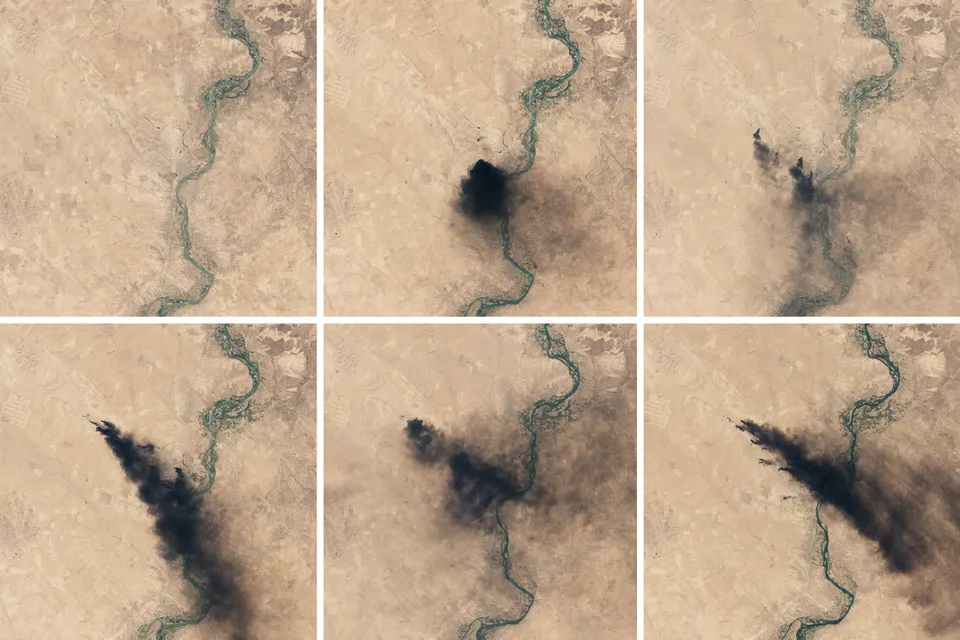
The argument for a further rise in the USD/IRR exchange rate is bolstered by fresh friction in the energy sector. The US recently sanctioned Iraq’s Deputy Minister of Oil, Ali Maarij al-Bahadly, alleging that Iraqi crude was being mixed with Iranian oil to bypass sanctions. While Iraq’s Oil Ministry has issued a firm denial, the move signals a tightening of the 'financial noose' around Iran’s primary revenue stream. If Iraq is forced to further distance itself from Iranian energy cooperation to protect its own access to the global financial system, the supply of hard currency into the Iranian market could face renewed constraints.
Furthermore, the US domestic economy is showing remarkable resilience, which provides a strong backbone for the global dollar. Donald Trump recently celebrated the Dow Jones hitting all-time highs following positive jobs data. A strong US economy often correlates with a stronger Dollar Index (DXY), making it more expensive for emerging and sanctioned markets to maintain currency stability. In this environment, the Toman faces an uphill battle against a dollar that is backed by both high interest rates and a booming industrial sector in the West.
The Bearish Case and the Nuanced Reality
On the flip side, the case for a Toman recovery (or at least a USD pullback) rests on the possibility of a 'sell the rumor, buy the fact' event. If the Iranian response to the peace proposal is even moderately constructive, we could see the USD/IRR rate retreat toward the 170,000 level. Traders should also note the internal political shifts in the West; for instance, the SNP’s victory in the Holyrood elections and the significant losses for the Labour party in the UK suggest a shifting political landscape that might distract Western leaders from aggressive Middle Eastern policy. Additionally, the mounting domestic anger in the US over issues like the Tennessee redistricting maps shows that the American executive branch is dealing with significant internal friction, which could lead to a more pragmatic, less hawkish approach to foreign sanctions.
My nuanced view is that we are currently in a 'high-stakes waiting room.' The 0.2% move today is statistically insignificant but psychologically telling—it shows that the market is leaning toward caution rather than optimism. The risk is currently skewed to the upside for USD/IRR because the 'peace dividend' has been promised many times before without materializing. However, the sheer height of current prices suggests that any positive news will meet a very thin order book, potentially leading to a sharp, albeit temporary, correction. This is an opinion and analysis of current trends, not financial advice. Uncertainty remains the only certainty in the current geopolitical climate.
Frequently Asked Questions
Why is the Friday deadline mentioned by Marco Rubio critical for the Toman?
How do the new sanctions on Iraq's Deputy Oil Minister affect the Iranian market?
Is the 0.2% increase in gold and USD a sign of a major breakout?
Why is the US stock market performance relevant to the price of the dollar in Tehran?
How International Sanctions Shape the Iranian Rial Exchange Rate
International sanctions do more than block trade; they directly reshape a country’s currency market. Iran’s rial (often quoted as the "toman" at a 10‑to‑1 conversion) has been forced into a dual‑exchange system, where an official rate co‑exists with a much weaker market rate driven by limited access to foreign dollars. When sanctions restrict the flow of USD into Iran, the supply of hard currency shrinks, pushing the black‑market rate higher and creating large spreads between official and unofficial rates.
The mechanics are simple: banks and importers need dollars to pay for oil, medicines, and other essentials. With sanctions limiting official channels, they turn to the informal market, where prices are set by supply and demand. This drives up the price of the rial in terms of the dollar – for example, the USD/IRR price hovering around 177,100 in May 2026. The higher exchange cost also spills over to other assets, such as gold, which often becomes a hedge; in Iran, gold prices have surged past 18,000 rial per gram.
Sanctions also affect investor sentiment. Global events like a US‑Iran peace proposal or a Dow Jones all‑time high can cause rapid capital flows, amplifying volatility in Tehran’s market. A positive diplomatic signal may temporarily ease the rial’s depreciation as investors anticipate lifted restrictions, while a setback can trigger sharp sell‑offs and a rush to foreign currency.
Understanding this dynamic helps explain why Iran’s monetary authorities sometimes intervene, adjusting the official rate or imposing capital controls to curb the black‑market spread. However, without a genuine resolution to the sanctions, the rial’s long‑term trajectory remains tied to the geopolitical landscape rather than domestic monetary policy alone.