
Trump’s 'Desperate' Diplomacy vs. $100 Oil: Why the Toman is Frozen at 173,000
دیپلماسی «استیصال» ترامپ در برابر نفت ۱۰۰ دلاری: چرا تومان در مرز ۱۷۳ هزار واحد منجمد شد؟
While global energy prices hit multi-year highs and UK petrol reaches 2022 levels, the Iranian Toman remains eerily stable at 173,000. We analyze whether John Bolton's claims of a 'desperate' Trump deal or the Dallas Fed's warnings on oil consumption will break this deadlock.
At time of publishing
USD
173,000
Toman
Gold 18K
18.58M
Toman / gram
Bitcoin
$74,932
US Dollar
Tether
171,965
Toman
Key figures
US Dollar
173,000
Iranian Toman
↑ 0.00% todayBitcoin
$74,932
US Dollar
The Calm Before the Geopolitical Storm
As of Wednesday evening in Tehran, the currency market presents a picture of unnatural stillness. The USD/IRR exchange rate has remained unchanged over the last 24 hours, holding firm at 173,000 (0.0%). This stability comes despite a volatile global backdrop where energy markets are reacting to the ongoing regional friction. Meanwhile, the local gold market has seen a slight cooling effect; Gold 18k per gram dropped from 18,774,874 to 18,583,498, a decline of 1.0%. Emami coins also mirrored the dollar’s stagnation, staying flat at 183,000,000 Toman. This divergence—a flat dollar and falling gold—suggests that while the currency is being heavily managed or lacks a catalyst, the 'war premium' in gold is beginning to face some skepticism from local investors.
This relative quiet in Tehran stands in stark contrast to the chaos in European energy markets. TotalEnergies has just announced an extension of its fuel price caps in France through June, a direct response to the 'Iran war' tensions that have sent crude prices soaring. Similarly, in the UK, petrol prices have surged to 159.43p per litre, the highest level since late 2022. The fact that the Toman has not yet reacted to these global inflationary pressures suggests a market that is 'holding its breath,' waiting for a definitive political signal rather than reacting to daily commodity fluctuations.
The Bullish Case: A 'Desperate' Path to De-escalation
The primary driver for those betting on a stronger Toman (or at least a ceiling on the dollar) is the emerging narrative of renewed diplomacy. Former National Security Adviser John Bolton recently characterized Donald Trump as 'palpably desperate' to reach a deal with Iran, specifically to resolve the crisis surrounding the Strait of Hormuz. If the market begins to price in even the possibility of a diplomatic breakthrough, the current 173,000 level could act as a local peak. Investors often 'buy the rumor and sell the fact,' and the rumor of a Trump-led deal is a powerful psychological anchor that prevents the dollar from runaway gains in the short term.
Furthermore, the global demand side is starting to show signs of exhaustion. Dallas Fed President Lorie Logan’s recent comments that the world needs to consume less oil and gas to stabilize markets indicate that high prices are finally meeting policy resistance. If global consumption slows, the 'oil weapon' becomes less effective, potentially lowering the temperature in the Persian Gulf. For the Iranian reader, this could mean a stabilization of imported inflation, as the global 'war premium' on goods and energy begins to deflate under the weight of high interest rates and reduced demand.
The Bearish Case: Energy Realities and Crypto Decoupling
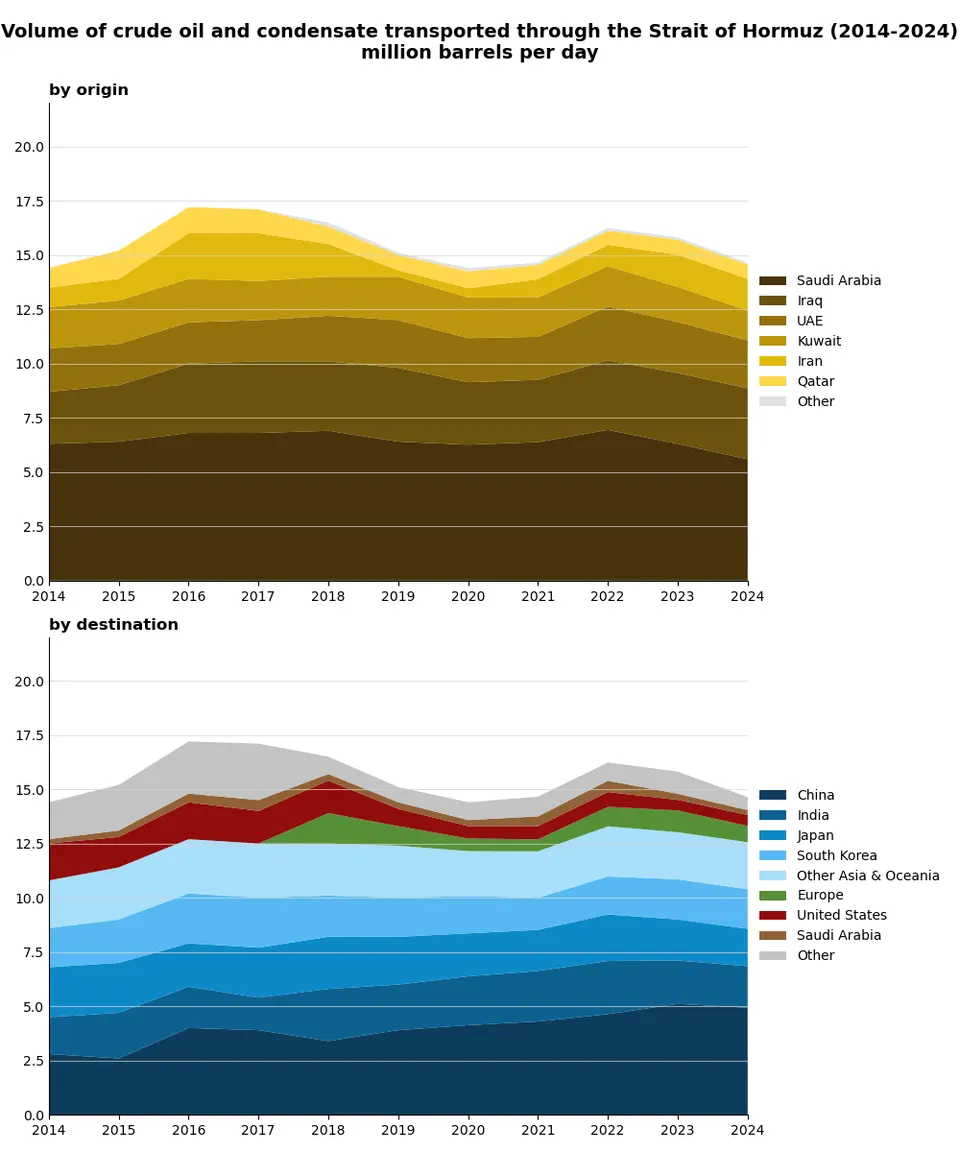
On the flip side, the bearish outlook for the Toman relies on the reality of $100 oil and the physical constraints of the market. While price caps in France and protests in the UK show political discomfort, they do not solve the underlying supply issues caused by regional instability. If the Strait of Hormuz remains a flashpoint, the cost of shipping and insurance will eventually force the USD/IRR rate higher, regardless of local central bank interventions. The 173,000 level may not be a ceiling, but rather a compressed spring. The UK’s petrol price hitting a 4-year high is a warning shot: energy inflation is a global tide that eventually lifts all dollar-denominated exchange rates.
Another worrying signal comes from the digital asset space. Bitcoin has recently fallen to the $75,000 level, decoupling from the broader rally in tech stocks. Historically, when Bitcoin loses its momentum while energy prices rise, it signals a move toward 'hard' defensive assets. If Bitcoin continues to slide or stagnate, it may indicate that global liquidity is tightening—a scenario that rarely bodes well for emerging market currencies like the Toman. If the 'Trump deal' fails to materialize, the transition from 173,000 to the next psychological resistance could be rapid and violent.
Nuanced View: The Deadlock of Expectations
In my analysis, we are currently in a 'deadlock of expectations.' The market is caught between the very real, physical scarcity of energy (as seen in the UK and France) and the speculative hope of a diplomatic 'Grand Bargain' involving Trump and Tehran. The 1.0% drop in gold prices today is the most telling indicator; it suggests that local big-money players are not yet ready to bet on a total collapse of order. They are taking some profits off the table, perhaps sensing that the 'war premium' has been overextended. However, the flat dollar at 173,000 shows there is zero confidence in a significant Toman recovery either.
The interplay between the Dallas Fed’s call for lower consumption and the UK’s record petrol prices creates a pincer movement on the global economy. For Iran, this means that even if a deal is reached, the global economic environment will be one of austerity and high rates. My view is that the 173,000 level will likely hold until we see a concrete move in the Strait of Hormuz or a formal statement from the Trump administration. Until then, the market is a spectator to its own fate, watching the oil tickers in London and Paris more closely than the order books in Tehran.
Frequently Asked Questions
Why is the Toman stable at 173,000 despite rising global oil prices?
What does the 1.0% drop in gold prices signify for the Iranian market?
How do the fuel price caps in France affect the Iranian economy?
Is Bitcoin still a good hedge for Iranian investors at $75,000?
How Sanctions Create Parallel Foreign‑Exchange Markets
When a country faces international sanctions, especially those that restrict its ability to sell oil or access the global banking system, the official exchange rate often becomes detached from the market reality. Governments may keep an official rate for essential imports—fuel, medicine, or food—while a much higher rate emerges on the black market where ordinary Iranians have to obtain foreign currency. The gap between the two rates reflects the scarcity of hard currency, the risk premium demanded by traders, and the expectation of future devaluation.
In Iran’s case, U.S. sanctions on the oil sector have choked the flow of dollars from crude exports. Even though the state sets an official USD/IRR rate near 173,000, the market price for a dollar on the street can be two or three times higher. This disparity pushes businesses and households to seek alternatives such as gold, euros, or cryptocurrencies like Bitcoin, which have surged in popularity when the official rate offers little purchasing power.
The mechanism behind parallel markets is simple: when the legal supply of foreign currency is limited, demand exceeds supply, and a price forms in the informal sector. Traders who can access dollars—through smuggling, illicit banking channels, or foreign partners—sell them at a premium. The premium compensates for the risk of violating sanctions, potential confiscation, and the cost of moving cash across borders. Over time, the black‑market rate becomes a more reliable indicator of a currency’s true value than the official peg.
Understanding this dynamic helps explain why oil‑price shocks, rumors of diplomatic deals, or changes in fuel caps (like TotalEnergies’ limits on Iranian crude) can cause sudden spikes in the black‑market rate. When expectations of a deal improve, the perceived risk of sanctions falls, narrowing the gap; when tensions rise, the premium widens, sometimes dramatically freezing the official rate as policymakers try to avoid a sudden devaluation.
For policymakers, managing a dual exchange system is a balancing act. They can tighten controls to preserve foreign reserves, but that often fuels the black market further. Alternatively, they can liberalise the market, allowing the official rate to float, which can restore confidence but may also trigger rapid depreciation if reserves are low. The Iranian experience illustrates the broader lesson: sanctions reshape not just trade flows but the very way a currency is priced and exchanged.
References - "Sanctions and the emergence of parallel foreign‑exchange markets" – IMF Working Paper, 2021. https://www.imf.org/en/Publications/WP/Issues/2021/05/06/Sanctions-and-Parallel-Foreign-Exchange-Markets-50345 - "Iranian rial exchange rate" – Wikipedia. https://en.wikipedia.org/wiki/Iranian_rial#Exchange_rate - "How sanctions affect a country's currency" – Investopedia. https://www.investopedia.com/articles/forex/091615/how-sanctions-affect-currency.asp - "Bitcoin adoption in Iran amid sanctions" – Reuters, March 2024. https://www.reuters.com/technology/bitcoin-adoption-iran-amid-sanctions-2024-03-15/