The $4,500 Gold Surge: Can a Hormuz Deal Defuse the Toman’s Ticking Clock?
معمای طلا در سایه هرمز: آیا توافق احتمالی ترمز دلار را میکشد؟
As gold prices jump 1.3% in Tehran, the USD/IRR remains eerily stable despite heated rhetoric from parliament. We analyze whether the 'Memorandum of Understanding' for the Strait of Hormuz will be a market savior or a diplomatic mirage.
At time of publishing
USD
172,700
Toman
Gold 18K
19.09M
Toman / gram
Bitcoin
$72,935
US Dollar
Tether
172,930
Toman
Key figures
US Dollar
172,700
Iranian Toman
↑ 0.06% todayBitcoin
$72,935
US Dollar
The Divergence: Gold Leaps While the Toman Holds Its Breath
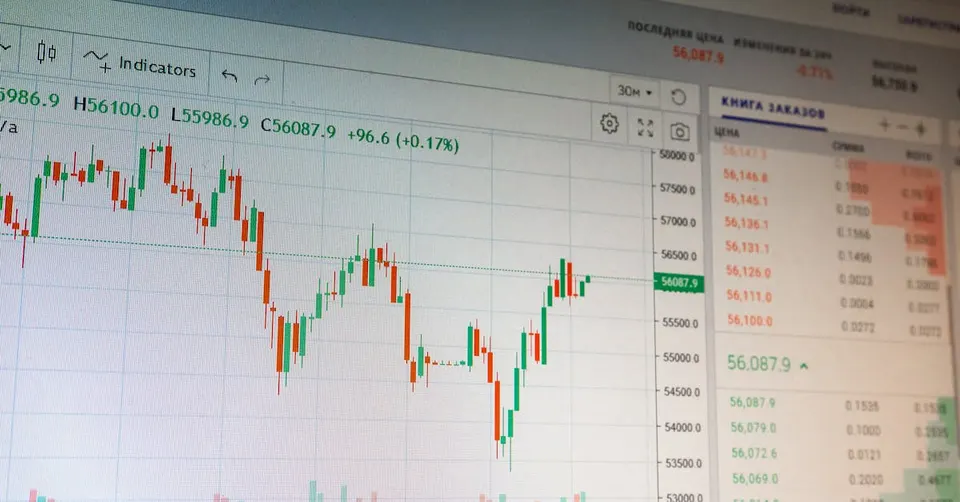
As of the evening of Friday, May 29, 2026, the Iranian market is witnessing a fascinating and somewhat tense divergence. The price of 18-karat gold rose from 18,841,128 to 19,094,371 Toman, marking a significant 1.3% increase in just 24 hours. Meanwhile, the USD/IRR pair showed remarkable restraint, inching up only 0.1% from 172,600 to 172,700 Toman. This suggests that while the currency market is waiting for a definitive political signal, gold investors are already pricing in the global volatility and the staggering $4,568 per ounce global price. The lack of movement in the Emami coin, holding steady at 184,000,000 Toman, further highlights a market that is fragmented by uncertainty.
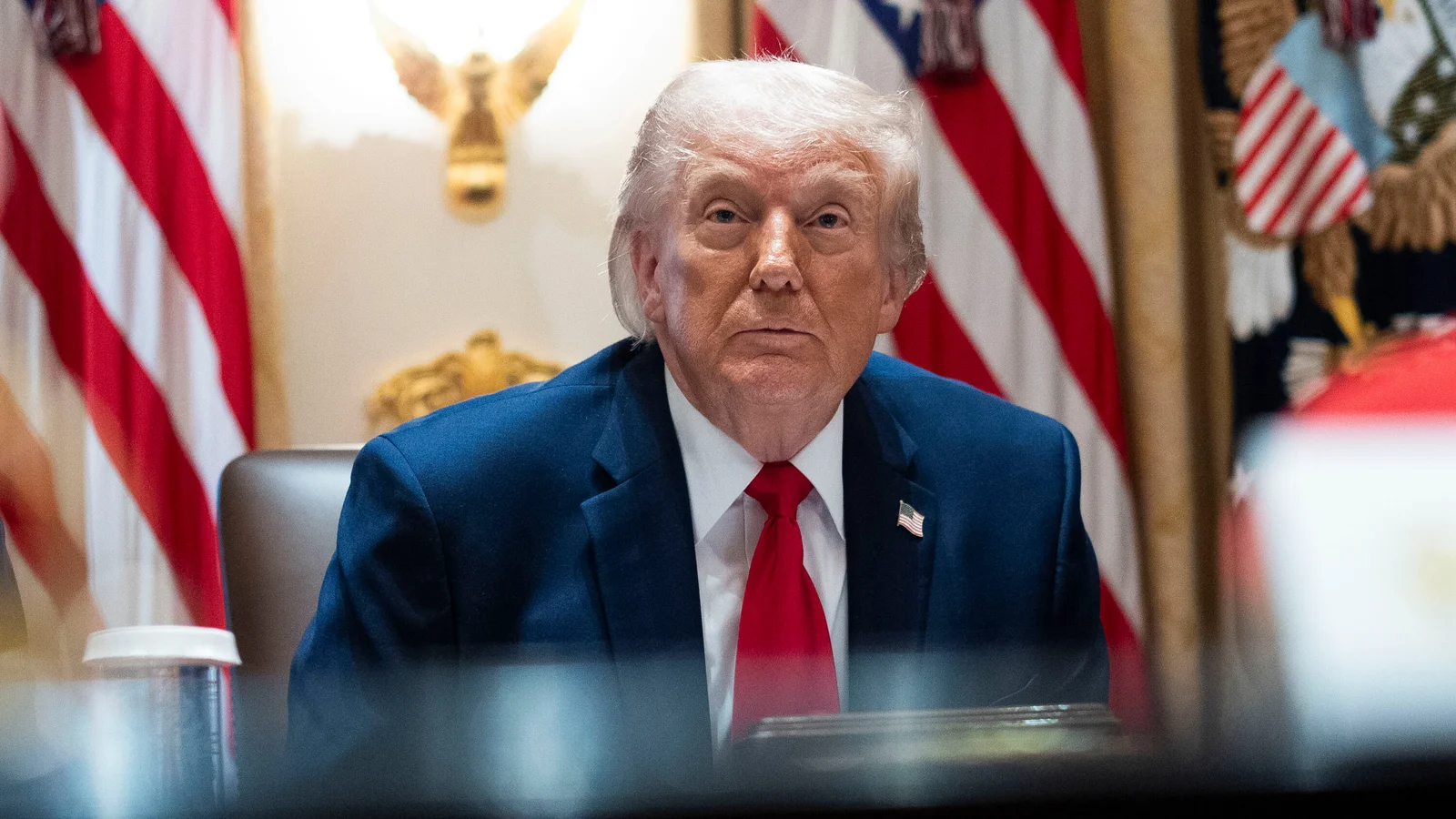
The backdrop to this price action is the high-stakes negotiation regarding the Strait of Hormuz. Reports from U.S. officials indicate that a "memorandum of understanding" is on the table to reopen the vital shipping lane, but it currently lacks the final signature from President Trump. For Iranian observers, this is the ultimate 'wait-and-see' moment. While the global community hopes for a de-escalation, the local market's appetite for gold suggests that many are still hedging against the possibility that these talks might collapse at the eleventh hour, leaving the regional economy in its current state of siege.
The Bull Case: Why the 'Missile Logic' Keeps Risk Premiums High
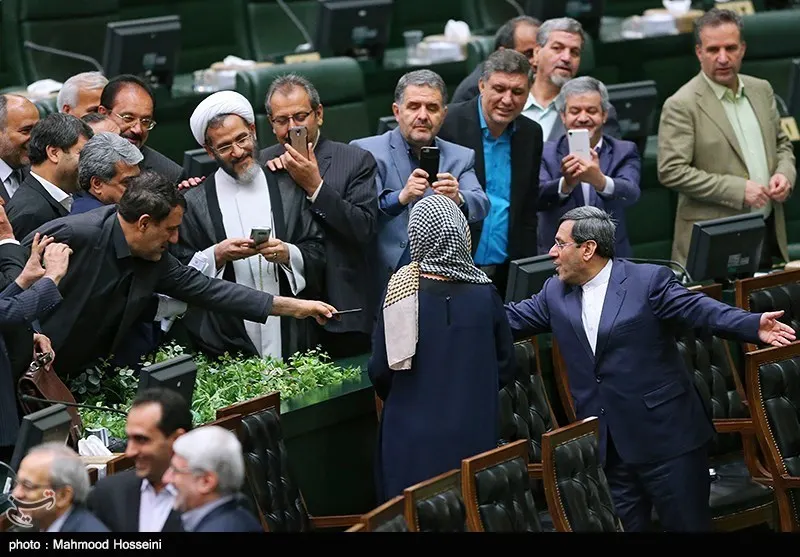
The argument for a continued rise in asset prices—particularly gold and the US Dollar—rests on the hardening rhetoric from Tehran and the global inflationary reality. Mohammad Bagher Ghalibaf’s recent blunt assertion that Iran secures concessions "through missiles, not dialogue" has acted as a cold shower for those expecting a smooth diplomatic pivot. This stance reinforces the geopolitical risk premium that has kept the Toman under pressure for months. If the market believes that the military establishment is not aligned with the diplomatic efforts, the "war premium" will not only remain but likely intensify, pushing the USD toward new psychological resistance levels.
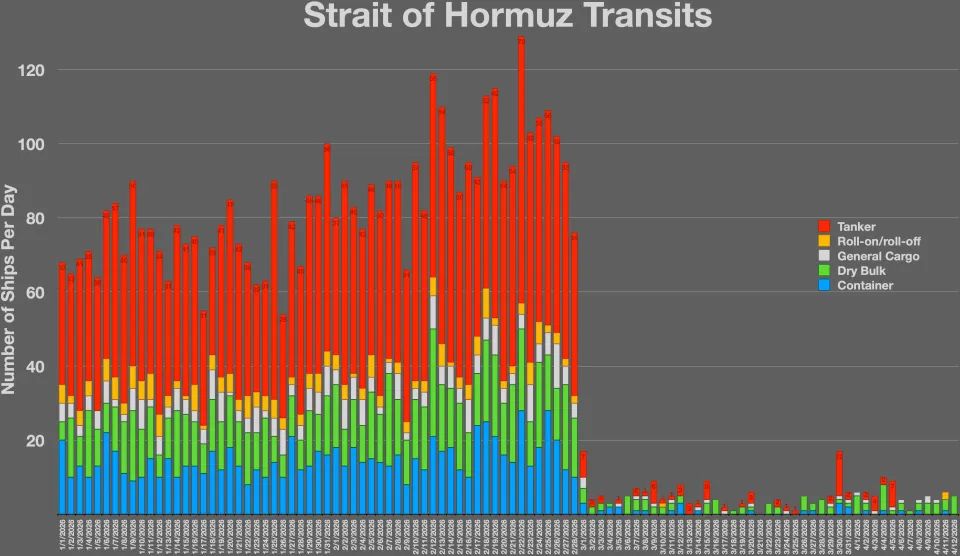
Furthermore, the global macro environment is currently a pressure cooker for inflation. A recent report highlighting that the "real bill" for the Iran conflict far exceeds the Pentagon's $29 billion estimate suggests that the economic fallout is being felt globally. India’s Central Bank has also issued a stark warning that oil shocks are threatening its national growth, a sentiment echoed by the 66% crash in Japan’s crude imports. When major Asian economies struggle with energy supply, the resulting global inflation eventually flows back into the Iranian market, making hard assets like gold the only logical refuge for local capital.
The Bear Case: The Reopening of the Strait as a Market Reset
Conversely, the bearish case for USD/IRR and gold hinges entirely on the successful execution of the Hormuz memorandum. If the shipping lanes reopen, the supply shock that decimated Japan's energy imports would begin to reverse, potentially stabilizing global oil prices and cooling the inflationary fires. A signed deal would likely trigger a massive "relief rally" for the Toman, as the immediate threat of expanded conflict recedes. In this scenario, we could see a sharp correction in gold prices as the fear-driven demand evaporates, and speculators move back into more traditional productive assets.
There is also the internal economic factor to consider. Even as the number of 401(k) millionaires falls in the West due to market volatility, workers are hitting record savings rates, indicating a global shift toward caution. If the Iranian government can pair a diplomatic win with even a modest improvement in domestic fiscal policy, the current 172,700 level for the Dollar could prove to be a localized peak. The market is currently "priced for perfection" regarding the conflict; any tangible step toward peace would likely catch over-leveraged gold bulls off guard, leading to a rapid deleveraging event.
Nuanced View: The Portfolio War and the Flight to Hard Assets
In my view, we are currently in a state of "exhaustion equilibrium." The markets are tired of the constant threat of escalation, yet they are too afraid to let go of their hedges. The fact that Bitcoin has fallen out of the global top 10 assets, dipping below a $1.5 trillion market cap, is a crucial signal. It suggests that in times of genuine geopolitical peril involving the Middle East, capital prefers the physical certainty of gold over the digital promise of crypto. For the Iranian reader, this means the 1.3% jump in gold is more than just a price move; it is a vote of no confidence in the current diplomatic timeline.
Ultimately, the interplay between Ghalibaf’s "missile logic" and the potential Trump signature on the MOU will define the next 30 days. One should be wary of the 0.1% stability in the USD; it often precedes a violent breakout once a decision is made. Whether that breakout is up or down depends on the courage of the negotiators. For now, the safest assumption is that volatility is the only certainty. This analysis is an opinion and does not constitute financial advice; the market remains highly sensitive to single-headline events that could override all technical indicators.
Watch
US and Iranian negotiators reach deal to re-open strait of Hormuz and extend ceasefire | BBC News
BBC News
Frequently Asked Questions
Why did gold rise 1.3% while the Dollar only moved 0.1%?
What is the 'Memorandum of Understanding' regarding the Strait of Hormuz?
How does Japan's 66% drop in oil imports affect the Iranian market?
Is Bitcoin still a safe haven during this regional conflict?
Gold as an Inflation Hedge: Why Iran’s Currency Crisis Fuels a Gold Surge
When a country faces severe external pressure—such as U.S. sanctions that choke off foreign‑exchange inflows—its national currency can depreciate rapidly. In Iran, the rial has been sliding against the dollar, pushing the official USD/IRR rate toward historic lows and creating a parallel market where the exchange rate can be several times higher. This devaluation erodes purchasing power and fuels inflation, prompting households and businesses to look for assets that preserve value.
Gold has long been regarded as a classic hedge against both currency depreciation and inflation. Unlike paper money, gold’s supply cannot be expanded at the whim of a central bank, and its price is quoted globally in dollars, making it a portable store of wealth that can be easily converted when local currency loses value. In sanction‑hit economies, the demand for gold spikes because it offers a relatively stable store of value and a means to bypass capital controls.
Iran’s recent gold price surge—reportedly reaching over 4,500 USD per ounce in the local market—illustrates this dynamic. As the rial weakens, Iranians are willing to pay a premium in rial terms for gold, while the dollar‑denominated price remains anchored to global markets. This premium reflects both the risk premium for operating in a volatile economy and the logistical costs of importing gold under sanctions.
The phenomenon also feeds back into inflation. When more money chases a limited supply of gold, the local price of gold in rial terms can rise faster than the global dollar price, contributing to overall price pressures. Moreover, a gold‑driven wealth effect can encourage speculative buying, further amplifying price swings.
Understanding gold’s role as an inflation hedge helps explain why a seemingly unrelated diplomatic development—such as a potential Memorandum of Understanding to ease tensions in the Strait of Hormuz—could have a calming effect on Iran’s currency and, by extension, on gold demand. If sanctions ease and the rial stabilises, the premium on gold would likely shrink, easing pressure on household budgets.