
Bitcoin’s Institutional Shiver Meets Tehran’s Geopolitical Heat: Why the Toman is Decoupling from Global Trends
لرزه نهادی بیتکوین و حرارت ژئوپلیتیک تهران؛ چرا مسیر دلار و رمزارز در بازار ایران جدا شد؟
As Bitcoin faces its first major institutional sell-off since 2022, the Iranian Toman has surged 2.8% due to escalating regional tensions. We examine the interplay between global crypto weakness and local currency devaluation in a high-stakes week for markets.
At time of publishing
USD
176,600
Toman
Gold 18K
19.06M
Toman / gram
Bitcoin
$71,509
US Dollar
Tether
176,292
Toman
Key figures
US Dollar
176,600
Iranian Toman
↑ 2.79% todayBitcoin
$71,509
US Dollar
The Toman’s Sharp Ascent Amid Regional Smoke
The Iranian market opened this week under significant pressure, driven more by the thunder of geopolitics than the whispers of economic data. In the last 24 hours, the USD/IRR exchange rate climbed from 171,800 to 176,600, marking a sharp 2.8% increase. This move was mirrored in the gold sector, where Emami coins rose 2.7% to hit 187,000,000 Toman, and 18k gold gained 1.1% to reach 19,064,361 Toman per gram. This isn't just a routine fluctuation; it is a direct response to a deteriorating security environment. The reported exchange of attacks between U.S. forces and Iranian-linked groups in Kuwait, alongside the interception of missiles, has injected a fresh dose of risk premium into the Toman.
When military headlines dominate, the technical charts often take a backseat. The escalation in Lebanon, with Prime Minister Netanyahu ordering strikes on Beirut's suburbs, has further tightened the 'fear gauge' for Iranian traders. Traditionally, in these moments, the demand for physical hard currency and gold as a safe haven outweighs any domestic fiscal policy. We are seeing a classic flight to safety, where the perceived risk of holding Rial is being priced in real-time against the backdrop of potential wider conflict. The market is currently operating on a 'wait and see' mode regarding the ceasefire talks, which Foreign Minister Araghchi warned are being strained by these very violations.

---
The Bitcoin Institutional Chill: Strategy’s Warning Shot
While the local currency market is heating up, the global cryptocurrency landscape is feeling a distinct chill. Bitcoin (BTC) has fallen to a two-month low of 71,509 USD, a move triggered by a surprising pivot from the world’s largest public holder of the asset. Strategy’s decision to sell 32 BTC—its first sale since 2022—sent shockwaves through the market, causing its own stock to tumble and flipping Bitcoin ETFs into negative territory for the year. For Iranian crypto investors, this creates a paradoxical situation: while the global price of BTC is dipping, the local cost of USDT (Tether) has climbed to 176,292 Toman, effectively neutralizing the 'discount' that a global price drop would usually offer.
This institutional selling pressure suggests a shift in sentiment among the big players. Some analysts point to the 'token mirage' theory, suggesting that the massive run-up in AI and crypto assets earlier this year may have been overextended. When a major institutional whale like Strategy trims its position, it signals to the market that the 'buy and hold forever' narrative might be facing internal stress tests. For the Iranian reader, this means that even if Bitcoin looks 'cheap' in dollar terms, the depreciation of the Rial makes it increasingly expensive to enter or maintain positions in the digital asset space.
---
Between War Drums and Economic Realities: A Nuanced Outlook
Looking forward, the bullish case for the USD/IRR remains tied to the geopolitical temperature. If the exchange of strikes in Kuwait leads to a prolonged disruption of diplomatic channels or if the Beirut escalation draws in more regional actors, the 180,000 Toman mark for USD is no longer a psychological barrier but a likely target. The demand for gold and hard currency is seasonal and psychological; as long as the headlines scream conflict, the 'bulls' in the currency market will maintain control. Furthermore, the tightening of terms by the U.S. administration regarding nuclear negotiations suggests that sanctions relief remains a distant hope, providing no fundamental support for the Rial.
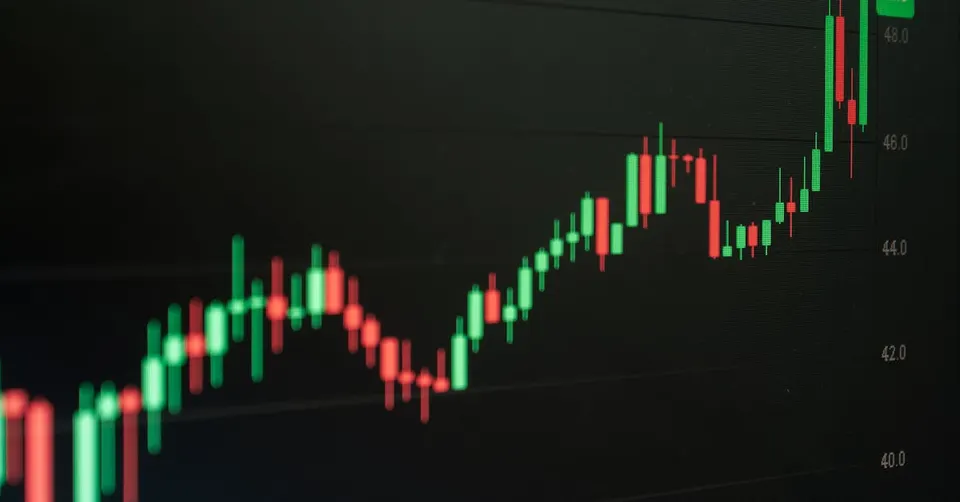
Conversely, the bearish case—or rather, a cooling period—rests on the possibility of an oversold bounce in global equities and a de-escalation of regional rhetoric. Stocks like Zoetis and Intuit are currently among the most oversold in the S&P 500, suggesting that a broader market recovery could eventually lift risk appetite, including for Bitcoin. If a breakthrough in the 'all-fronts' ceasefire mentioned by Araghchi occurs, we could see a rapid 'washout' of the risk premium, potentially dragging the USD back toward the 170k level. However, my nuanced view is that we are in a period of high volatility where 'noise' often masks the 'signal.' Investors should be wary of chasing the peak of geopolitical panic, but also realize that the institutional exit from BTC globally suggests a more cautious environment for speculative assets in the coming months. This is an opinion based on current market trends and not a guarantee of future performance.
Frequently Asked Questions
Why is the price of Bitcoin in Toman rising while its global price is falling?
What does the Strategy BTC sale mean for long-term holders?
Is the current surge in gold and USD sustainable?
What are 'oversold' stocks and why do they matter for crypto?
Parallel Exchange Rates: Why Iran’s Toman Diverges from Global Currencies
In many sanctioned economies, the official exchange rate set by the central bank diverges sharply from the rate that actually prevails in the market. This phenomenon is called a parallel (or black‑market) exchange rate. The official rate is often kept artificially strong to project stability, while the parallel rate reflects true supply‑and‑demand dynamics, capital controls, and the risk premium demanded by traders who must navigate sanctions and limited access to foreign currency.
Iran is a textbook example. Since the early 2000s, the Iranian rial (now the toman, worth ten rials) has been quoted at an official rate of roughly 42,000 IRR per USD, while the parallel market trades at 300,000 IRR per USD or higher. The gap widens whenever geopolitical tension spikes—such as the recent Iran‑Kuwait border clashes—because investors demand a higher premium for holding a currency that could be further isolated from the global financial system.
The existence of a parallel market creates a feedback loop that fuels currency devaluation. When businesses and households cannot obtain dollars at the official rate, they turn to the black market, pushing its price up. Higher parallel rates, in turn, raise the cost of imports, stoke inflation, and erode real wages, which further weakens confidence in the domestic currency.
Cryptocurrencies like Bitcoin and stablecoins such as Tether have become informal hedges against this volatility. Institutional sell‑offs in Bitcoin can temporarily lift the demand for alternative stores of value, while a surge in Tether usage in Iran often mirrors spikes in the parallel rial rate. However, because crypto exchanges are also subject to sanctions, their prices can diverge from global benchmarks, creating a crypto‑currency decoupling that mirrors the traditional parallel‑exchange phenomenon.
Understanding parallel exchange rates is crucial for anyone analyzing emerging‑market risk, especially when assessing the impact of sanctions, geopolitical shocks, and the rise of digital assets on a country’s monetary stability.