Gold’s 2.7% Retreat as Diplomatic Thaw Cools Tehran’s Risk Premium; CLARITY Act Stirs Crypto Markets
عقبنشینی ۲.۷ درصدی طلا در سایه تنشزدایی دیپلماتیک؛ قانون کلاریتی بازار کریپتو را تکان داد
A week of high-stakes diplomacy ends with a significant cooling in Tehran’s gold market despite record global prices. While the USD remains pinned at 180,400 Toman, the return of Iranian sailors and the Trump-Xi summit have shifted the narrative from 'war footing' to 'wait-and-see'.
At time of publishing
USD
180,400
Toman
Gold 18K
19.90M
Toman / gram
Bitcoin
$79,323
US Dollar
Tether
17,935.1
Toman
The Golden De-escalation
This week in the Tehran markets felt like a long-awaited exhale. For months, the 'war premium' has been baked into every gram of gold and every gold coin, driven by uncertainty over the Strait of Hormuz and the unpredictable nature of the Trump administration's second-term regional policy. However, as of Friday night, the narrative has shifted. Gold 18k witnessed a sharp 2.7% decline, falling from 20,459,855 Toman to 19,897,271 Toman per gram. This happened despite the global gold ounce sitting at a staggering $4,562.20, a paradox that can only be explained by a significant drop in local risk expectations and a strengthening of the Toman's internal purchasing power against precious metals.
The stability of the US Dollar, which closed the week at 180,400 Toman (a 0.0% change over 24 hours), suggests that the Central Bank has successfully established a temporary ceiling. Traders who were betting on a breakout above the 185,000 level were forced to liquidate positions as news from the Trump-Xi summit in Beijing hinted at a 'learning curve' ending in conciliation rather than immediate confrontation. For the average Iranian investor, this means the frantic rush to convert savings into physical gold has slowed, providing a much-needed breather for those looking to enter the market at more rational levels.
Diplomacy on the High Seas and the Streets
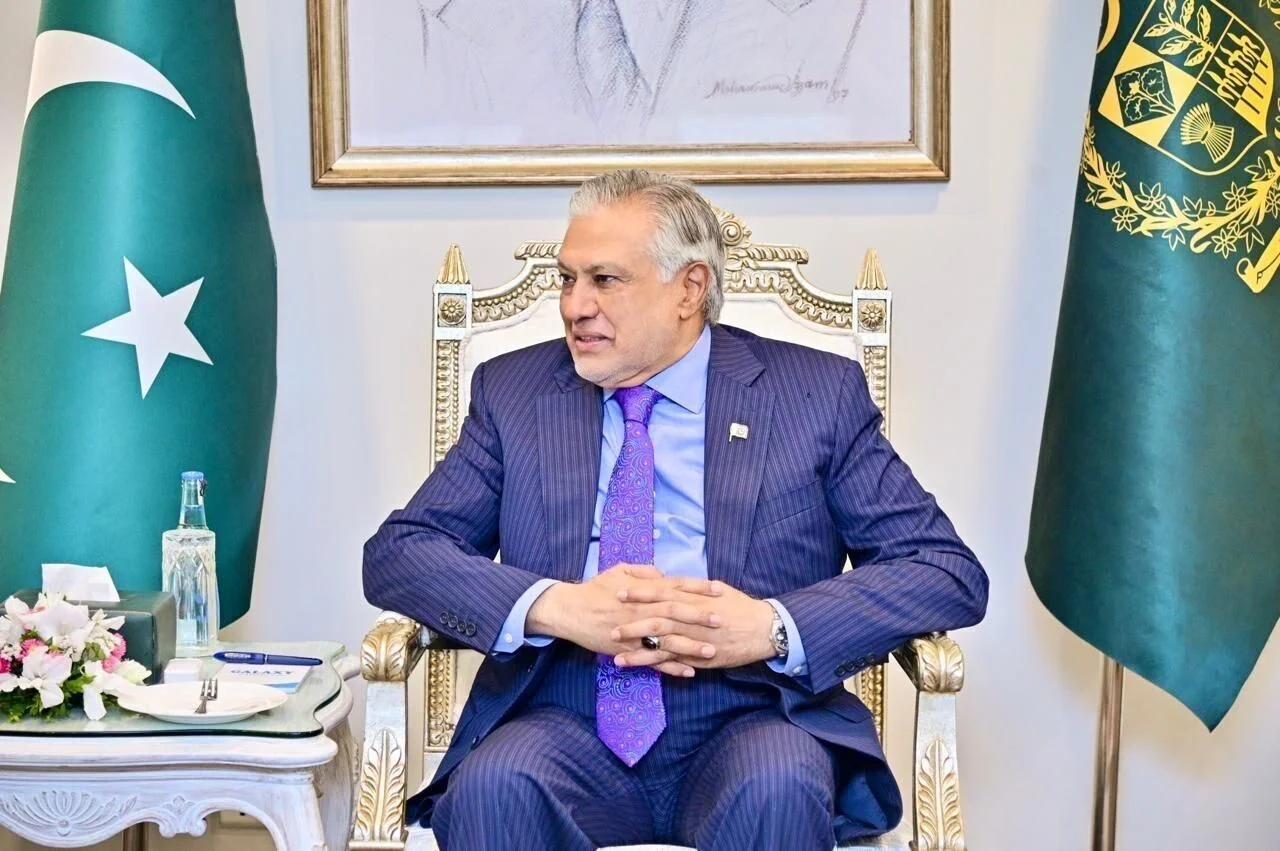
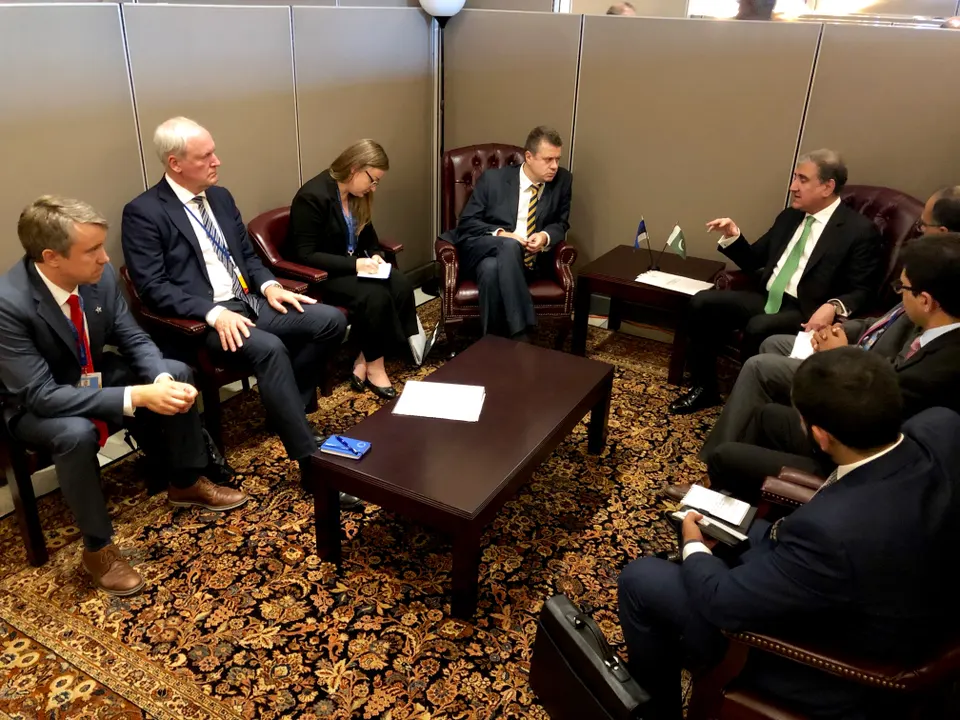
Beyond the charts, two human stories bookended the week, providing the psychological foundation for the market's calmer tone. The announcement by Pakistani Foreign Minister Muhammad Ishaq Dar regarding the repatriation of 20 Iranian sailors captured in Singaporean waters served as a vital signal of regional cooperation. While the release of sailors might seem disconnected from the price of a Nim Seke (currently 99,500,000 Toman), these events act as barometers for diplomatic friction. In a market as sensitive as Iran’s, any news that suggests a smoothing of international relations acts as a natural sedative for volatility.
Simultaneously, the cultural sphere added its own layer of complexity. At the Cannes Film Festival, director Asghar Farhadi’s condemnation of both international air strikes and domestic crackdowns highlighted the ongoing internal and external pressures facing the nation. While Farhadi’s comments don't move the USD/IRR ticker directly, they reflect the broader sentiment of a country caught between geopolitical giants. Markets are made of people, and the collective mood this week moved from high-anxiety speculation toward a more grounded, albeit cautious, realism. The fact that Emami coins held steady at 197,000,000 Toman despite the drop in 18k gold suggests that institutional 'big money' is still holding its ground, waiting for a definitive signal from the next round of US-China trade talks.
Crypto’s Regulatory Crossroads
In the digital asset space, the dominant story was the progress of the CLARITY Act in the US Senate. This piece of legislation, which aims to provide a framework for stablecoins and crypto market structure, cleared a key hurdle in the Senate Banking Committee. For Iranian crypto traders, this is a double-edged sword. On one hand, institutional clarity in the US often leads to a Bitcoin rally; on the other, stricter stablecoin regulations could complicate the use of USDT (currently trading at 17,935 Toman) as a primary bridge for bypassing traditional banking hurdles. Bitcoin’s position at $79,323 shows it is flirting with the $80,000 psychological barrier, but it lacks the momentum for a clean break.
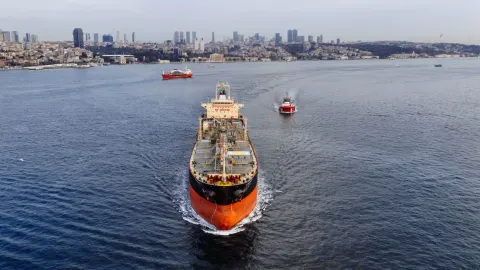
Looking ahead to next week, the focus will shift from the Beijing summit to the US Senate floor. If the CLARITY Act faces a partisan stalemate, we could see a spike in crypto volatility that will ripple into the local Tether market. Domestically, all eyes remain on the Strait of Hormuz. Any movement toward formalizing shipping tolls or further naval de-escalation will likely push gold prices even lower. Investors should watch the 19,500,000 Toman level for 18k gold; if it breaks, the 'war premium' may be officially dead for the summer. However, with the British pound heading for its worst week in 18 months due to political shifts in Westminster, the global currency landscape remains a minefield of secondary risks.
Frequently Asked Questions
Why did gold prices fall in Iran while the global ounce is at record highs?
What does the CLARITY Act mean for Iranian USDT users?
Is the 180,400 Toman rate for USD a sustainable floor?
Understanding Geopolitical Risk Premium
The headline "Gold’s 2.7% Retreat as Diplomatic Thaw Cools Tehran’s Risk Premium" highlights a crucial concept in finance and economics: the geopolitical risk premium. In essence, a risk premium is the extra return or compensation investors demand for taking on an investment with a higher degree of risk compared to a risk-free asset. When we talk about geopolitical risk premium, it refers specifically to the additional return required by investors due to uncertainties arising from political instability, conflicts, or significant international relations shifts in a particular region or country. These risks can include potential sanctions, trade disruptions, currency devaluation, or even military confrontations, all of which can severely impact economic stability and asset values.
Geopolitical tensions, such as those historically associated with Iran and the Strait of Hormuz, often lead investors to seek "safe haven" assets. Gold is a classic example of such an asset; its price typically rises during periods of heightened global uncertainty as investors flock to it as a store of value, pushing up demand and thus its price. This increased demand for gold during crises reflects the market's demand for a geopolitical risk premium. Conversely, when diplomatic efforts succeed in de-escalating tensions – a "diplomatic thaw" – the perceived risk diminishes. Investors become less inclined to pay a premium for safety, leading to a reallocation of capital from safe havens like gold back into more growth-oriented, but previously riskier, assets.
The retreat in gold prices mentioned in the headline directly illustrates this dynamic. A diplomatic thaw, by reducing the geopolitical risk associated with Tehran, lowers the overall risk premium investors demand for holding assets exposed to that region or for seeking safety from its potential spillover effects. This reduction in the risk premium makes gold less attractive relative to other investments, causing its price to fall. Furthermore, a high geopolitical risk premium can also impact a country's currency, often leading to depreciation (e.g., USD to IRR exchange rate implications) as foreign investors become wary, and can increase the cost of borrowing for governments and businesses within that region. Understanding the geopolitical risk premium is therefore key to interpreting how global events shape market movements and asset valuations.