Oil Markets Shrug Off U.S.-Iran Ceasefire Drama Amid Currency Stability
بازار نفت به آرامش درام آتشبس آمریکا و ایران بیاعتنا شد
This week, oil markets displayed an unusual calm despite geopolitical tensions between the U.S. and Iran. The Iranian currency and gold prices showed little fluctuation, reflecting a broader market stability.
At time of publishing
USD
175,050
Toman
Gold 18K
17.82M
Toman / gram
Bitcoin
$62,128
US Dollar
Tether
176,458
Toman
What Actually Happened
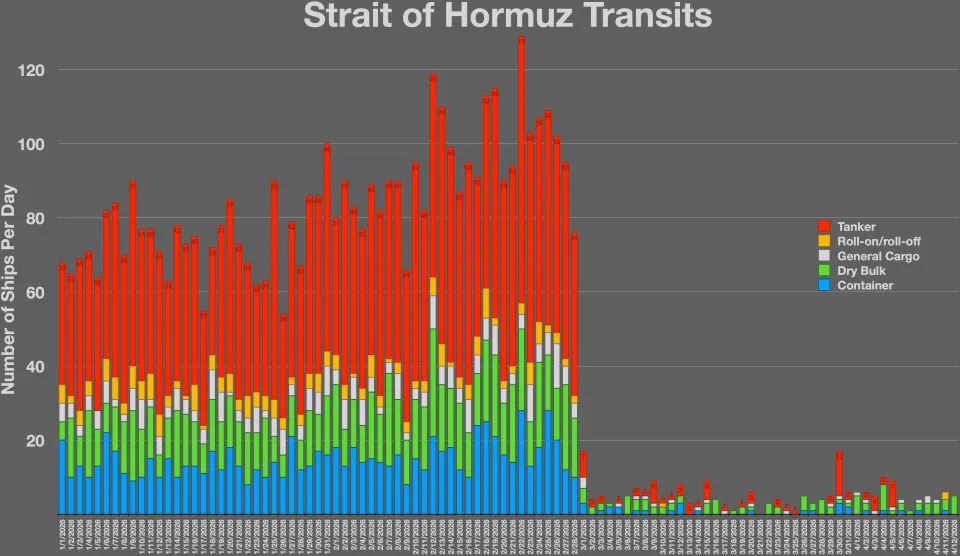
The past week was marked by a surprising calm in the oil markets, despite ongoing geopolitical tensions between the United States and Iran. The much-discussed U.S.-Iran ceasefire, which in other times might have caused significant volatility, seemed to have been met with a collective yawn from traders. Brent crude hovered within a narrow range of $71-73 per barrel, a stark contrast to the dramatic swings often seen with such geopolitical developments. Analysts suggest that traders are becoming desensitized to the frequent back-and-forth between these two nations, waiting instead for more concrete developments.
This tranquility in the oil markets had a ripple effect on Iran’s domestic markets. The Iranian Toman showed little movement against the U.S. Dollar, closing the week unchanged at 175,050. This stability extended to the gold market as well, with the price of an Emami coin standing firm at 177,000,000 Toman. Even gold's slight 0.9% rise to 17,821,690 Toman per gram of 18k gold was seen as a modest adjustment rather than a significant shift.
Why This Matters
The stability in oil prices could be seen as a double-edged sword for Iran. On one hand, it provides a sense of predictability for businesses and consumers, who have often been at the mercy of volatile energy markets. On the other hand, the lack of a price surge means that any anticipated windfall from higher oil revenues remains elusive, potentially complicating economic planning amidst ongoing sanctions and financial constraints.
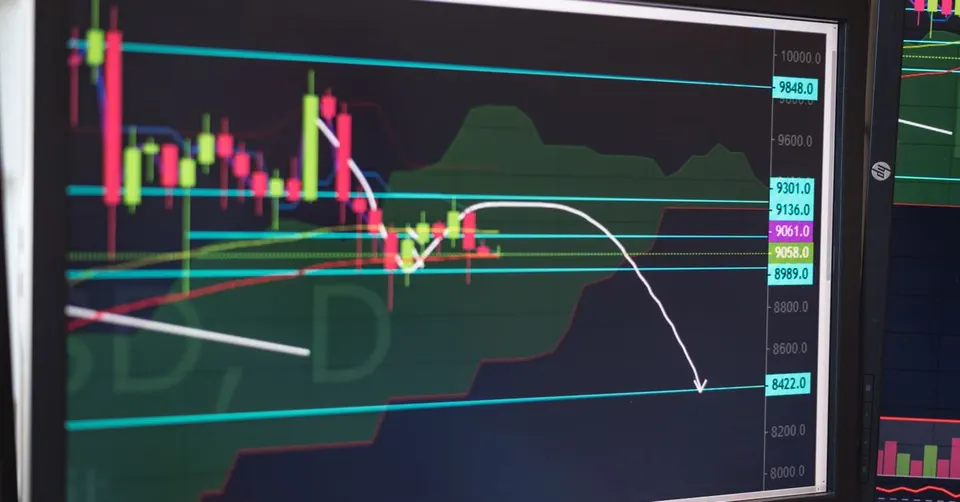
In the context of Iranian markets, the steadiness of the Toman against major currencies like the U.S. Dollar and the Euro suggests a momentary balance. Traders and policymakers alike are watching closely, aware that any shifts in the geopolitical landscape could quickly alter the current state of affairs. Meanwhile, the slight uptick in gold prices might indicate a cautious hedge against future uncertainties, as investors seek safe havens amidst global economic tensions.
The Bigger Picture
Globally, the oil market's tepid reaction to the U.S.-Iran ceasefire drama underscores a growing weariness towards geopolitical 'cries of wolf'. Traders appear to be waiting for more definitive actions, such as changes in production quotas or supply disruptions, before making significant moves. This market fatigue highlights a larger trend where geopolitical narratives, once dominant, now compete with other economic indicators for trader attention.
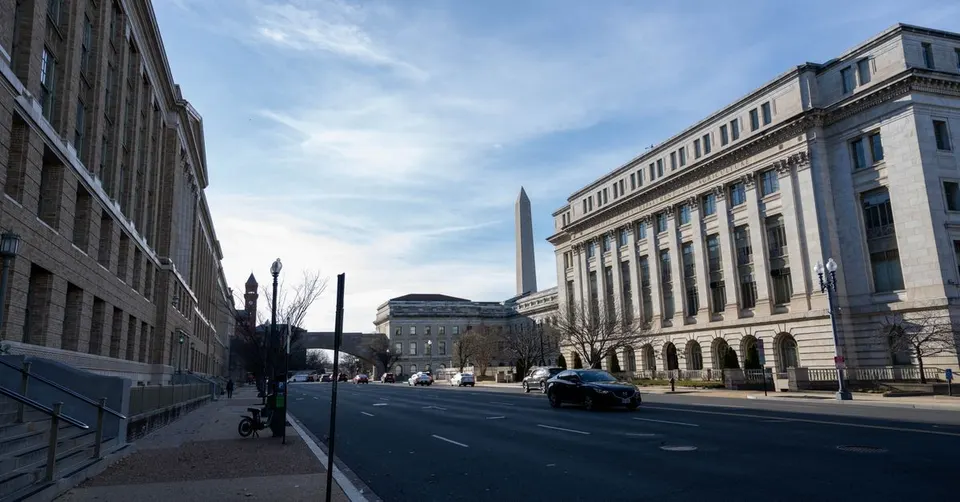
The broader economic context includes a robust performance from global stock markets, with the Dow Jones reaching historic highs. This buoyancy in equities may provide some buffer against potential oil market fluctuations, offering a diversified outlook for global investors. Meanwhile, in the cryptocurrency space, Bitcoin's price continues to climb, closing the week at $62,128, marking a new high for July. This ascent reflects a broader acceptance of digital assets, despite regulatory challenges and market volatility.
Looking Ahead
As we move into the next week, Iranian readers should keep an eye on any developments in the U.S.-Iran relations, particularly any changes that could impact the oil markets. Additionally, with the global economic calendar featuring key central bank meetings, including the Federal Reserve, shifts in monetary policy could influence currency and gold markets. The ongoing global embrace of cryptocurrencies also remains a point of interest, as regulatory moves could significantly impact their trajectory.
Frequently Asked Questions
Why did oil prices remain stable despite U.S.-Iran tensions?
How did the Iranian currency perform this week?
What was the trend in gold prices this week?
What is the outlook for oil markets next week?
How are global financial markets impacting Iran?
Understanding Safe‑Haven Assets in Times of Geopolitical Tension
When wars, sanctions, or diplomatic stand‑offs erupt—like the recent U.S.–Iran cease‑fire drama—investors scramble for assets that are expected to retain value. These are called safe‑haven assets: investments that tend to either hold their price or appreciate when markets are stressed. Classic examples include gold, the Swiss franc, and U.S. Treasury bonds, while newer entrants such as certain cryptocurrencies (e.g., Bitcoin) are sometimes touted as digital safe havens.
The appeal of a safe haven lies in its low correlation with risky assets such as equities or commodities like Brent crude. During heightened geopolitical risk, oil supply concerns can push crude prices up, but the same uncertainty can also depress global growth expectations, hurting demand. Investors therefore hedge by shifting part of their portfolio into assets that are less tied to the real‑economy cycle, seeking to preserve purchasing power.
Gold’s reputation as a safe haven stems from its physical scarcity, universal acceptance, and the fact that it is priced in U.S. dollars—so when the dollar weakens, gold often rises. Similarly, the Iranian rial’s volatility after sanctions can drive Iranians and foreigners toward gold or foreign currencies to protect wealth. Cryptocurrencies, while still volatile, are sometimes viewed as a hedge against fiat‑currency devaluation because they are not issued by any single government.
Understanding the safe‑haven concept helps explain why gold prices may climb even as Brent crude steadies, or why cryptocurrency trading volumes spike after a geopolitical flashpoint. It also reminds investors that “safe” does not mean risk‑free; each asset carries its own set of risks that must be weighed against the specific threat environment.
For anyone tracking oil markets, currency stability, or gold and crypto price moves, recognizing the safe‑haven dynamic provides a clearer lens on why markets sometimes appear to “shrug off” political drama in one sector while reacting sharply in another.