Oil Prices Surge as Middle East Tensions Reignite; Toman Recovers Slightly
قیمت نفت با شعلهور شدن تنشهای خاورمیانه اوج گرفت؛ تومان اندکی بهبود یافت
The past week saw a significant uptick in oil prices driven by renewed geopolitical tensions in the Middle East, with Brent crude surging past $76. Meanwhile, the Iranian Toman experienced a slight recovery against the US dollar, closing the week with a modest gain.
At time of publishing
USD
178,550
Toman
Gold 18K
17.59M
Toman / gram
Bitcoin
$63,867
US Dollar
Tether
178,545
Toman
What Actually Happened
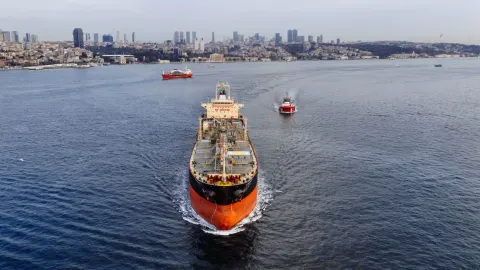
This week was dominated by a sharp return of geopolitical risk premium in the energy markets. Renewed strikes between the United States and Iran sent ripples across the region, causing significant disruptions and fears of supply chain instability. As a result, ICE Brent crude oil futures surged, settling above $76 per barrel. This escalation directly impacted shipping routes, with traffic through the Strait of Hormuz reportedly slowing to a near standstill, amplifying concerns about continued supply disruptions. The narrative shifted from a relatively calm energy market to one bracing for potential further volatility.
On the domestic front, the Iranian Toman showed a welcome, albeit modest, recovery against the US dollar. The USD/IRR exchange rate saw a notable drop of 1.4% in the past 24 hours, closing at 178,550 Toman per dollar. This movement, while small in the grand scheme of recent fluctuations, offered a brief respite to Iranians grappling with persistent inflation and currency depreciation. Gold prices also saw a slight dip, with 18k gold per gram falling by 1.6% in the last day, indicating a minor cooling off in its safe-haven appeal amidst the currency's slight gain.
---
Why This Matters
The surge in oil prices is a double-edged sword for Iran. While higher crude prices could theoretically boost government revenues, the immediate impact of heightened regional tensions and potential further sanctions outweighs any immediate benefit. Increased volatility in the Strait of Hormuz, a critical chokepoint for global oil supply, raises the specter of more severe economic consequences, including potential disruptions to Iran's own oil exports and increased insurance costs for shipping. For the average Iranian, the slight recovery in the Toman offers temporary relief, but the underlying economic pressures remain immense. The persistent inflation and the depreciating currency continue to erode purchasing power, making daily necessities increasingly unaffordable.

The crypto market, while not directly impacted by the Middle East flare-up, continues its own narrative. The news of Circle securing final federal banking charter approval in the US caused its stock to jump, signaling a potential maturation of the stablecoin sector under regulatory frameworks. This development could influence the demand for stablecoins like USDT, which are widely used by Iranians seeking to hedge against currency depreciation. However, the broader crypto market saw Bitcoin hovering around $64,000, with whale activity noted as a driver of recent price movements. The ongoing debate about AI's impact on inflation versus its potential to lower prices also adds a layer of complexity to the global financial outlook.
---
The Bigger Picture
Globally, the renewed focus on the Middle East overshadows other significant developments. The UK police opening a murder investigation into the death of politician Ann Widdecombe, while a serious domestic event, has minimal direct market impact for Iranian readers. Similarly, the political upheaval in Berlin with the mayor abandoning his reelection campaign, and the bizarre incident on a Ryanair flight, are distant news items. However, the broader theme of geopolitical instability and its ripple effects on global trade and risk appetite remains paramount. This instability often translates into increased demand for safe-haven assets like gold and a more cautious approach to riskier investments, including cryptocurrencies, though specific regulatory news can create isolated rallies.
Looking ahead, the market will be closely watching the de-escalation (or lack thereof) in the Middle East. Any further military actions or diplomatic breakdowns could trigger another surge in oil prices and intensify the risk-off sentiment. For Iranian markets, the interplay between global oil prices, currency stability, and potential international policy shifts will be critical. Investors and individuals will be looking for signs of sustained recovery in the Toman or further depreciation, alongside any developments in the ongoing global economic recalibration influenced by AI and evolving regulatory landscapes for digital assets.
---
Outlook for Next Week
Next week, all eyes will be on the Middle East. Signs of de-escalation could lead to a pullback in oil prices and a return to a more risk-on environment. Conversely, any further escalation will likely cement the current trend of higher energy costs and heightened geopolitical uncertainty. For the Iranian currency, the next few days will be crucial to see if the recent 1.4% gain against the dollar is sustainable or a temporary blip. Traders will also be monitoring any official statements or policy shifts from major global economies that could influence capital flows and risk sentiment. The ongoing developments in the stablecoin and broader crypto space, particularly with regulatory approvals like Circle's, will also be a key watchpoint for digital asset enthusiasts.
Frequently Asked Questions
What caused the recent surge in oil prices?
Did the Iranian Toman see a significant recovery this week?
How did the cryptocurrency market react to the global events?
What is the outlook for the Iranian Toman next week?
What global macro events, besides the Middle East tensions, were noteworthy?
Geopolitical Risk Premium in Oil Markets
When headlines report oil prices surging due to Middle East tensions, they are often describing the impact of a geopolitical risk premium. This economic concept refers to the additional cost built into the price of a commodity, particularly oil, due to actual or perceived political instability, conflict, or uncertainty in a major producing or transit region. It's not necessarily about an immediate supply shortage but rather the market's anticipation of potential future disruptions to supply, which drives up prices as buyers seek to secure future reserves and traders speculate on higher values.
The mechanism behind this premium is multifaceted. Geopolitical events in critical oil-producing regions like the Middle East can trigger fears of supply interruptions, whether through direct conflict, sanctions, or blockades of vital shipping lanes such as the Strait of Hormuz. Even the threat of such disruptions can prompt oil importers to increase their inventories and speculators to buy futures contracts, pushing spot prices higher. This speculative element, driven by market sentiment and risk aversion, often amplifies the price reaction beyond what actual supply changes might warrant.
The ripple effects of a geopolitical risk premium in oil are significant. For net oil-importing nations, higher crude prices translate into increased energy costs, potentially fueling inflation and slowing economic growth. Conversely, oil-exporting nations may see a temporary boost in revenues. Furthermore, such periods of heightened global uncertainty often lead investors to reallocate capital. They might move away from riskier assets like equities and towards perceived safe havens such as gold, or even cryptocurrencies like Bitcoin, which are sometimes seen as stores of value outside traditional financial systems. While the Toman's recovery might be driven by various internal factors, the broader market volatility stemming from oil's geopolitical premium can indirectly influence currency stability and investor confidence in emerging markets.