9/11 Victim Families Demand Saudi Accountability as Iran Cites 'Aggression'
خانواده قربانیان ۱۱ سپتامبر خواستار پاسخگویی عربستان شدند؛ ایران از 'تجاوز' سخن میگوید
Victim families are escalating calls for Saudi Arabia's accountability regarding alleged support for 9/11 hijackers, coinciding with Iran's condemnation of 'US-Israeli aggression'. Market data shows a slight dip in the USD/IRR, with gold and Emami coins also experiencing minor declines.
At time of publishing
USD
234,900
Toman
Gold 18K
24.16M
Toman / gram
Bitcoin
$77,154
US Dollar
Tether
236,330
Toman
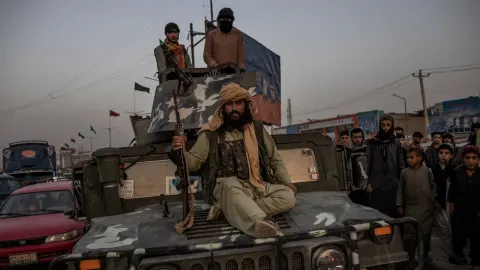
9/11 Families Intensify Calls for Saudi Accountability
Twenty-five years after the September 11th attacks, a leading group representing victims' families has reiterated its demand for Saudi Arabia to be held accountable for its alleged role in supporting the hijackers. Terry Strada, national chair of 9/11 Families United, expressed frustration at the prolonged legal process, stating that it has "taken way too long" to achieve justice through the court system. This renewed push comes as the anniversary of the attacks approaches, bringing with it a mix of remembrance and a continued fight for accountability against what families describe as an unaddressed complicity.
The lawsuit at the heart of this demand alleges that Saudi individuals provided support to the terrorists responsible for the deadliest act of terror on US soil. While the exact nature and extent of this alleged support remain contentious, the families argue that the Saudi government's potential involvement has been insufficiently investigated and prosecuted. This ongoing legal battle highlights the deep and enduring impact of 9/11, not only on the immediate victims and their families but also on international relations and the pursuit of justice across decades.
---
Iran Condemns 'US-Israeli Aggression' Amidst Bilateral Cooperation Push
In parallel to the 9/11 accountability efforts, Iran has reported condemnation of "US-Israeli aggression" from Cambodian Prime Minister Hun Manet. According to Iranian state media (IRNA), Manet, in a meeting with Iran's ambassador, decried recent actions against Iran and stressed the beginning of a "new phase" in bilateral cooperation between Cambodia and the Islamic Republic. This diplomatic engagement signals Iran's continued efforts to bolster international ties amidst geopolitical pressures and sanctions.
The development underscores a pattern of Iran seeking to strengthen relationships with non-Western nations as a countermeasure to perceived hostility from the United States and its allies. The emphasis on expanding bilateral relations, particularly with nations in Southeast Asia, suggests a strategic pivot aimed at diversifying economic and political partnerships. For Iranian readers, these diplomatic moves, while seemingly distant, can influence perceptions of international support and potentially impact future trade dynamics and the broader geopolitical calculus affecting the region.
---
Market Watch: USD/IRR Dips Marginally, Gold and Coins Follow Suit
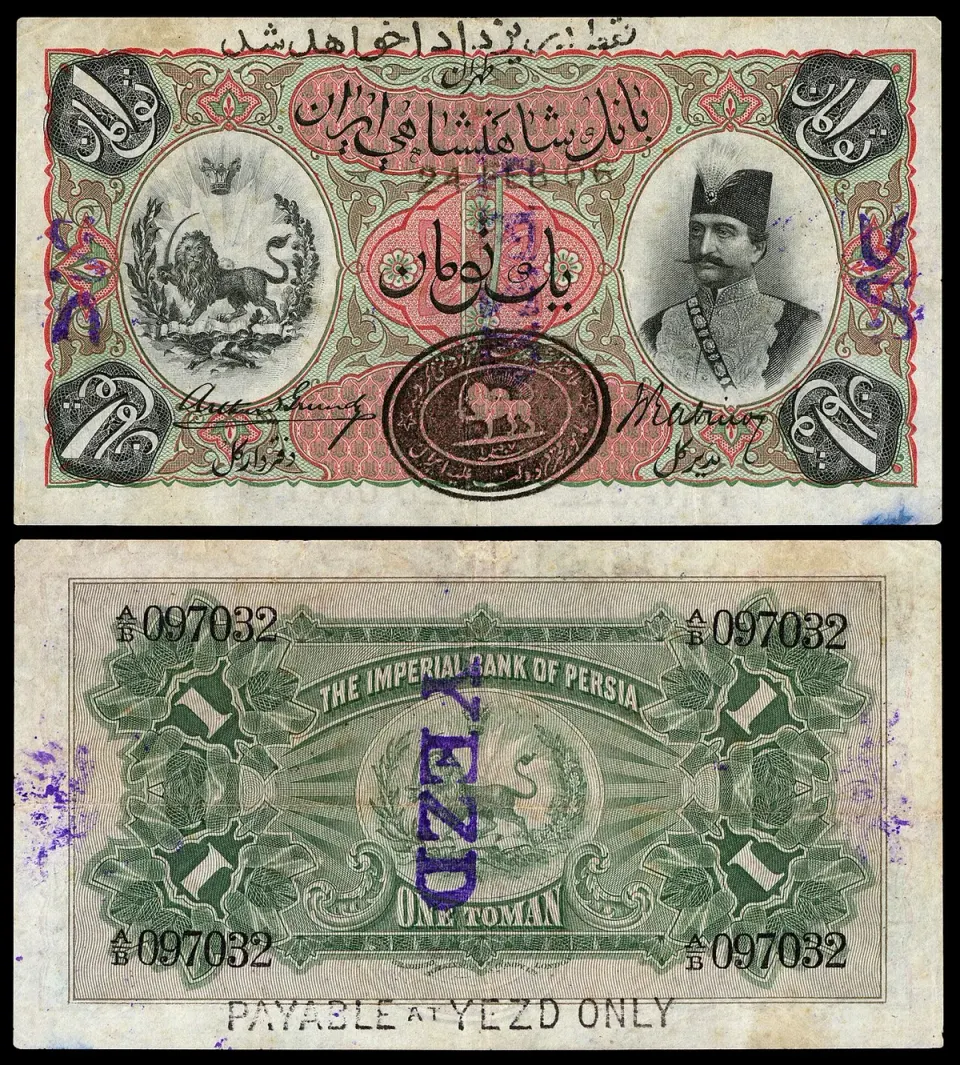
The Iranian Toman saw a slight appreciation against the US Dollar in the last 24 hours. The sell price for USD moved from 235,500 to 234,900 Tomans, marking a 0.3% decrease. This marginal shift indicates a degree of stability in the currency market, though the underlying economic pressures that typically drive such fluctuations remain. For individuals and businesses operating within Iran, even small movements in the USD/IRR rate can have ripple effects on import costs, inflation, and overall economic confidence.
Reflecting broader market trends and perhaps a slight risk-off sentiment, both gold and the Emami coin also experienced minor downturns. The price per gram of 18k gold decreased by 1.2%, moving from 24,442,495 to 24,158,548 Tomans. Similarly, the Emami coin saw a 0.4% drop, falling from 242,000,000 to 241,000,000 Tomans. These movements, while not drastic, contribute to a cautious market outlook, especially for those relying on these assets as a hedge against currency depreciation or economic uncertainty.
---
Ukraine Conflict: Russian Strike Hits Pavlohrad Shopping Centre
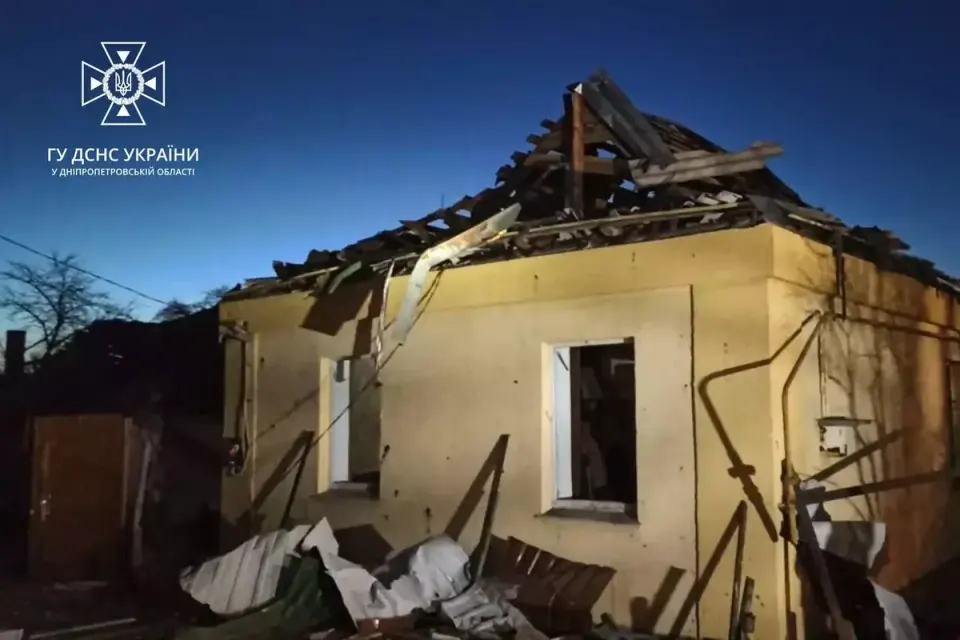
In Ukraine, a Russian strike reportedly hit a shopping center in Pavlohrad, resulting in four fatalities and injuring 60 people. This incident marks the third time in recent days that Russian forces have targeted a civilian shopping area, according to local media reports. The escalating attacks on civilian infrastructure raise serious concerns about the conduct of the war and potential violations of international humanitarian law.
The targeting of civilian areas, such as shopping centers, is a deeply concerning development that can have devastating consequences for the civilian population. Such attacks not only result in immediate casualties but also contribute to widespread fear and displacement, further exacerbating the humanitarian crisis in Ukraine. The international community continues to monitor these events closely, with ongoing calls for de-escalation and adherence to the principles of warfare.
---
Geopolitical Tensions: IRGC Destroys US Unmanned Vessel in Hormuz
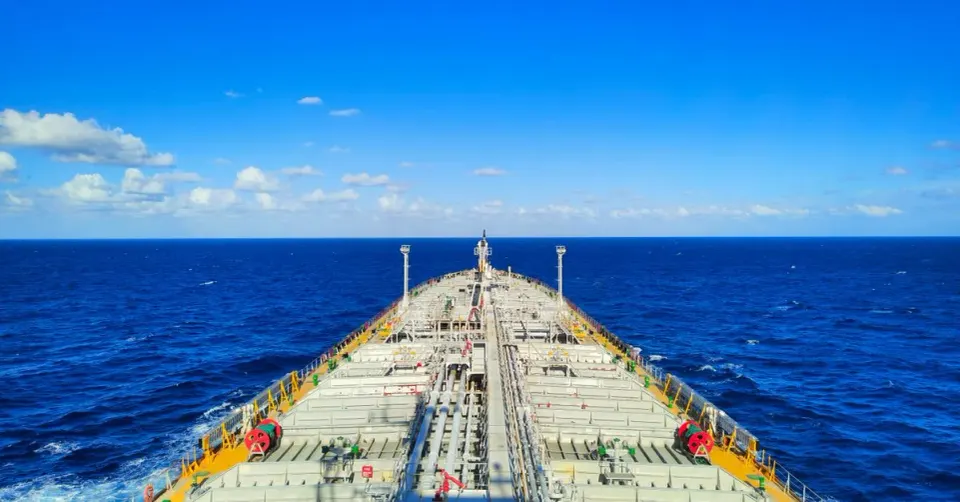
The Islamic Revolution Guards Corps (IRGC) Navy announced today that it had successfully destroyed a US unmanned surface vessel near the entrance to the Strait of Hormuz. This incident adds another layer to the already tense maritime security situation in the vital waterway, a critical chokepoint for global oil shipments. The IRGC's action, if confirmed by the US, would represent a significant escalation and a direct challenge to US naval presence in the region.
Such encounters in the Strait of Hormuz have a tangible impact on global energy markets. Any perceived threat to shipping lanes can lead to increased oil prices and heightened geopolitical risk premiums. For Iran, asserting control and demonstrating its military capabilities in this strategic area is a key component of its regional policy. The incident underscores the volatile nature of the Persian Gulf and the constant potential for miscalculation or escalation between Iran and the United States.
Frequently Asked Questions
What is the latest development regarding the 9/11 families' lawsuit against Saudi Arabia?
What is Iran's current diplomatic stance regarding international relations?
How has the US Dollar performed against the Iranian Toman recently?
What significant military incident occurred in the Strait of Hormuz?
The Interplay of Geopolitics, Sanctions, and Currency Depreciation
Geopolitical tensions and international sanctions can profoundly impact a nation's economic stability, often leading to significant currency depreciation. When a country faces sanctions, its ability to engage in international trade and access global financial markets is severely restricted. This reduction in trade limits the inflow of foreign currency, such as US dollars, which are crucial for imports and maintaining the value of the local currency. As foreign exchange reserves dwindle, the national currency weakens against major international currencies, making imports more expensive and fueling domestic inflation.
In such an environment, citizens and businesses often lose confidence in the national currency's ability to preserve wealth. This prompts a flight to alternative assets perceived as safer stores of value. Foreign currencies, particularly the US dollar, become highly sought after, driving up their exchange rate against the local currency. This demand further exacerbates the depreciation of the national currency, creating a vicious cycle where people rush to convert their savings into more stable denominations.
Beyond foreign currency, tangible assets like gold are historically considered safe havens during times of economic uncertainty and high inflation. Gold's universal value and limited supply make it an attractive option for wealth preservation when fiat currencies are losing purchasing power. In economies like Iran, specific local gold coins, such as the Emami coin (Bahar Azadi coin), serve a similar purpose. These coins are not just commodities; they act as a proxy for gold's value and are often seen as a more accessible and trusted store of wealth than the national currency.
The price of these alternative assets — foreign currency, gold, and local gold coins — typically surges as the national currency depreciates. This surge reflects the increased demand from individuals and investors seeking to protect their savings from inflation and economic instability. Understanding this dynamic is crucial for comprehending how geopolitical events and sanctions translate into tangible economic consequences for ordinary citizens, influencing their financial decisions and the broader economic landscape.