Drone Downed in Hormuz as Global Coal Demand Surges; Bitcoin Holds $81k Amid Trade Optimism
سرنگونی پهپاد آمریکایی در هرمز و رکوردشکنی تقاضای زغالسنگ؛ بیتکوین در مرز ۸۱ هزار دلار
Tensions in the Strait of Hormuz escalate as the IRGC claims to have downed another US MQ-1 drone, while global energy markets shift toward coal amid shipping constraints. Meanwhile, Bitcoin maintains its $81,000 level and gold prices see a slight correction in the Tehran market.
At time of publishing
USD
230,800
Toman
Gold 18K
23.78M
Toman / gram
Bitcoin
$81,764
US Dollar
Tether
228,205
Toman
Tensions in Hormuz Drive Global Energy Shifts
The Islamic Revolution Guards Corps (IRGC) has announced the downing of another American MQ-1 drone over the strategic Strait of Hormuz, according to reports from state-affiliated media. This incident marks a continuation of high-stakes friction in one of the world's most critical maritime chokepoints. While the US military has yet to provide a detailed rebuttal or confirmation of the specific circumstances, the announcement serves to heighten the risk premium associated with regional shipping. For Iranian observers, such military encounters often precede shifts in market sentiment, affecting everything from local currency stability to international insurance rates for tankers.
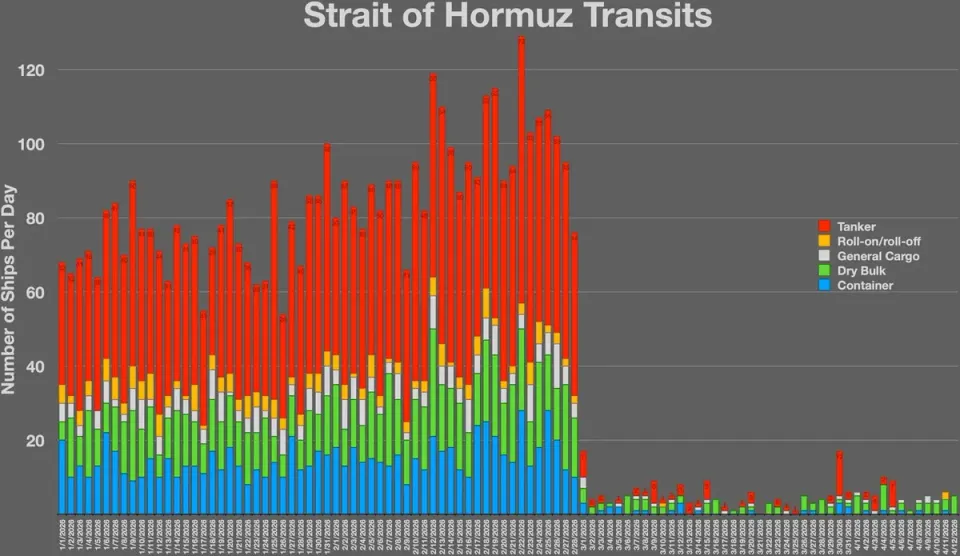
Parallel to these military developments, the International Energy Agency (IEA) has released a startling report indicating that global coal demand is expected to hit record highs this year. This surge is a direct consequence of the ongoing "Hormuz Crisis," which has severely constrained the trade of oil and natural gas through the Persian Gulf. As oil inventories deplete and natural gas prices climb in 2026, nations are being forced to revert to coal to meet their energy needs. This regression in the global energy transition highlights the profound economic ripples caused by regional instability, effectively forcing a carbon-heavy backup plan on a world that was trying to move toward renewables.
Bitcoin Stability and the Tehran Market Pulse
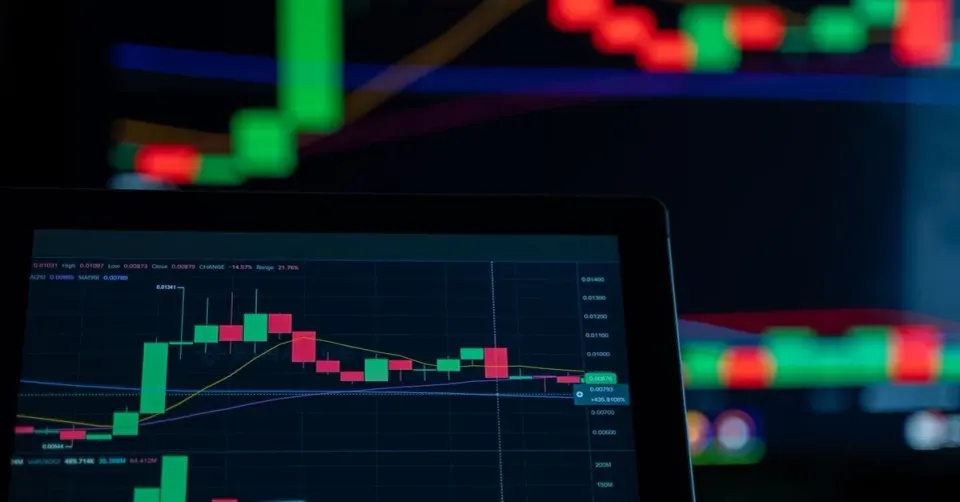
In the financial world, Bitcoin has extended its slow but steady climb through the Asian trading session, holding firmly above the $81,000 mark. The primary driver behind this resilience appears to be progress in trade negotiations between Washington and Beijing, which has buoyed regional equities and US stock futures. Currently trading at $81,764, Bitcoin is acting as a barometer for global risk appetite. However, analysts note that the premier cryptocurrency remains trapped between a support level of $78,000 and a stiff resistance at $82,000. For Iranian crypto investors, the stability of Tether (USDT) around 228,205 Toman remains a key metric for preserving capital against local volatility.
Domestically, the Tehran market is showing signs of a minor correction in the precious metals sector. Gold 18k per gram moved from 24,008,495 to 23,777,644 Toman, representing a 1.0% decrease over the last 24 hours. Despite this dip, the Emami coin remains steady at 239,000,000 Toman. The USD/IRR rate has shown remarkable stillness, hovering at 230,800 Toman. This lack of movement in the dollar suggests a temporary equilibrium in the market, though the underlying geopolitical tensions from the Hormuz drone incident could easily disrupt this calm in the coming hours.
High-Profile Legal Dramas and Political Accountability
Across the globe in Australia, two major legal trials are capturing international attention, reflecting broader themes of justice and institutional accountability. In Sydney, the trial of former broadcaster Alan Jones saw a dramatic development as the prosecution withdrew one of the indecent assault allegations, bringing the number of alleged victims down to five. The case, which involves allegations dating back to 2012, continues to serve as a high-profile test for the legal system's handling of historical abuse claims against powerful public figures. The withdrawal of specific charges often signals the complexities of witness testimony in long-running investigations.
Simultaneously, the trial of former police officer Beau Lamarre-Condon has revealed chilling details regarding the alleged murders of two men. Prosecutors told the court that the defendant disguised himself as an Uber Eats rider to facilitate his actions, highlighting a calculated level of premeditation that has shocked the public. These cases, while geographically distant from the Middle East, underscore a global trend toward scrutinizing the conduct of those in positions of authority—whether in the media or law enforcement. For readers in Iran, where judicial transparency is often a subject of intense domestic debate, these international proceedings offer a window into how other societies navigate the intersection of power, crime, and public trust.
---
Regional Geopolitics and Internal Scrutiny
In a move reflecting its official foreign policy stance, Tehran has called on the international community to take "immediate and decisive action" to halt what it describes as Israeli genocide in the Gaza Strip and the West Bank. This rhetoric, delivered via state media, continues the government's long-standing strategy of centering the Palestinian cause in its regional diplomacy. However, the effectiveness of such calls remains limited by the deepening polarization of the international community and the ongoing military activities involving various regional proxies. For the average Iranian, these geopolitical stances are viewed through the lens of their potential to trigger further sanctions or regional escalations that directly impact the cost of living.
Finally, in a separate but notable development in Australian politics, an anti-corruption inquiry (ICAC) has heard evidence of a Labor councillor expressing fear over his attendance at a Liberal fundraiser. The inquiry revealed text messages where the official worried about a potential investigation after a photo was taken with the premier. This story highlights the rigorous—and often uncomfortable—standards of political accountability in parliamentary democracies. It serves as a reminder of the constant friction between political networking and ethical boundaries, a theme that resonates globally as citizens everywhere demand greater transparency from their elected representatives.
Frequently Asked Questions
Why is global coal demand reaching record highs in 2026?
How has the Tehran gold market reacted to recent geopolitical news?
What is driving Bitcoin's current price stability above $81,000?
Why the Strait of Hormuz Matters: A Bottleneck in Global Energy Supply
The Strait of Hormuz, a narrow waterway between Oman and Iran, channels roughly 20% of the world’s oil shipments and a significant share of liquefied natural gas (LNG). Its geographic pinch‑point means that any disruption—whether from geopolitical tension, a downed drone, or a naval incident—can instantly ripple through global energy prices. Because the flow is so concentrated, even a brief slowdown can trigger price spikes in crude oil, which in turn affect the cost of coal‑fired power generation and the broader commodity market.
In recent months, the region has seen heightened activity, including the reported downing of an MQ‑1 drone over the Hormuz channel. Such events underscore the vulnerability of critical infrastructure to both state and non‑state actors. When traders perceive a risk of supply interruption, they often shift to alternative assets, such as Bitcoin, which has recently surged to $81,000 amid optimism about renewed trade flows. This “risk‑on” behavior highlights how energy geopolitics can influence seemingly unrelated markets.
The International Energy Agency (IEA) warns that global coal demand is projected to rise again in 2026 as emerging economies ramp up electricity generation to meet growing industrial needs. However, the reliance on coal is tightly linked to oil price stability; higher oil prices can make coal‑based power more competitive, while supply shocks in the Strait can push oil prices up, indirectly boosting coal demand. Understanding the Hormuz chokepoint therefore provides insight into the interconnectedness of oil, coal, and even digital assets in today’s economy.
For policymakers and investors, the key takeaway is that the Strait of Hormuz functions as a strategic valve for the global energy system. Monitoring naval activity, diplomatic developments, and IEA forecasts can help anticipate price movements across multiple markets, from crude and coal to gold and cryptocurrencies.