Uranium vs. Rare Earths: Market Battle, Iran at UN, and El Niño's Deadly Forecast
اورانیوم در برابر خاکی کمیاب: نبرد بازار، ایران در سازمان ملل و پیشبینی مرگبار النینو
This hourly digest examines the investor debate between uranium and rare earth stocks, Iran's President Pezeshkian's address at the UN General Assembly, and a stark warning about El Niño's potential death toll. We break down market implications and geopolitical tensions.
At time of publishing
USD
231,500
Toman
Gold 18K
23.77M
Toman / gram
Bitcoin
$84,160
US Dollar
Tether
231,126.247
Toman
Uranium vs. Rare Earths: The 2026 Investment Showdown
Investors are weighing a critical choice between two burgeoning sectors: uranium and rare earth metals. Cameco, a dominant force in uranium production, faces off against MP Materials, a key player in the rare earth supply chain. The core of this debate lies in the differing geopolitical and technological drivers for each commodity. Uranium is inextricably linked to the future of nuclear energy, a sector seeing renewed interest as nations seek stable, low-carbon power sources to combat climate change and energy security concerns. Government policies and international agreements on nuclear non-proliferation will significantly shape demand.
Rare earth elements, on the other hand, are the linchpins of modern technology, essential for everything from electric vehicle batteries and wind turbines to advanced electronics and defense systems. China's historical dominance in this sector has prompted global efforts to diversify supply chains, creating opportunities for companies like MP Materials. However, the market for rare earths can be more volatile, subject to rapid technological shifts and intense competition. The choice between these two investment avenues hinges on whether one prioritizes the long-term, stable growth potential of nuclear energy or the high-growth, technology-driven demand for rare earths, with each carrying its own set of risks and rewards.
---
Iran at the UN: Pezeshkian's Accusations Amidst Geopolitical Tensions
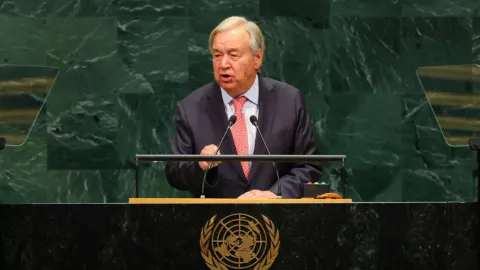
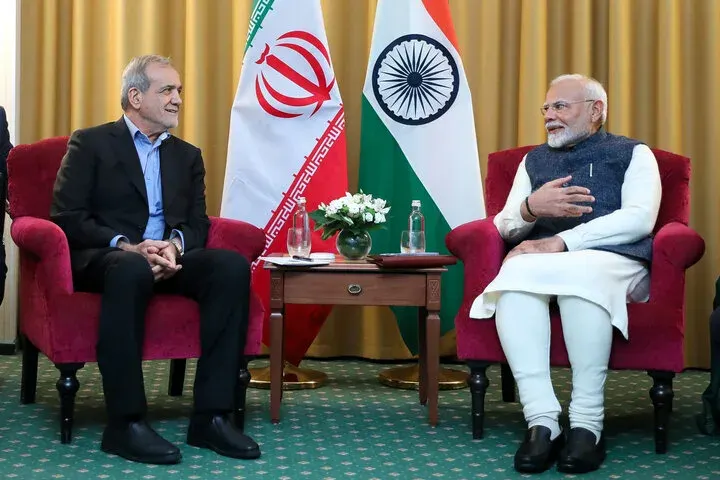
Iranian President Masoud Pezeshkian took the stage at the UN General Assembly, delivering a speech that underscored his nation's grievances while navigating complex international relations. He accused the United States and Israel of "lawless attacks" and asserted that Iran would not accept limitations on its nuclear program. The address comes at a critical juncture, with heightened tensions in the region and ongoing diplomatic maneuvering. Pezeshkian's rhetoric, particularly his condemnation of perceived foreign aggression and his stance on nuclear activities, aims to rally domestic support and project an image of national resilience on the global stage.
Notably, the US delegation reportedly walked out during parts of his speech, highlighting the deep chasm that still exists between Washington and Tehran. Pezeshkian's assertion that Iran has been a "victim of terrorism" directly counters the US characterization of Iran as a state sponsor of terrorism, setting a confrontational tone. This exchange at the UN reflects the broader challenge of de-escalation in a region fraught with proxy conflicts and strategic rivalries. The impact on regional stability and potential sanctions regimes remains a closely watched variable, with Iran's nuclear posture continuing to be a focal point of international concern.
---
El Niño's Grim Forecast: 451,000 Potential Excess Deaths
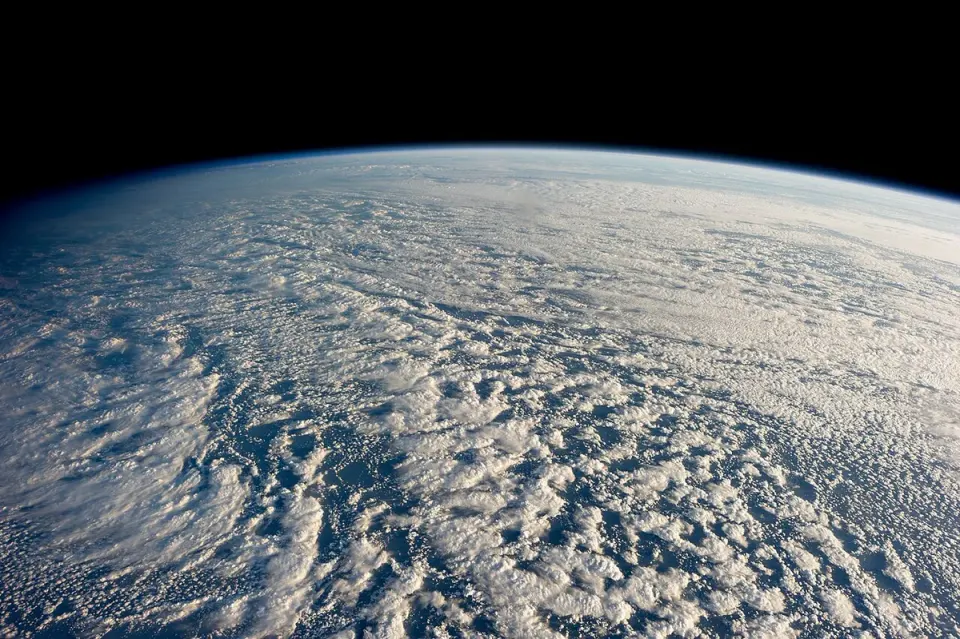
A new study from the University of Chicago's Climate Impact Lab paints a dire picture of the potential human cost of the current "super El Niño" phenomenon. Researchers project that extreme heat linked to this climate pattern could result in up to 451,000 excess deaths worldwide in the six months leading up to February 2027. This alarming figure stems from an expected 44% rise in the number of extremely hot days, with vulnerable regions like Nigeria, Indonesia, and Sudan anticipated to bear the brunt of the impact. The study's authors caution that the long-term consequences could extend far beyond this initial six-month period.
The implications of such widespread extreme weather events are multifaceted, extending beyond immediate health crises to significant economic disruptions. Agricultural yields could plummet, exacerbating food insecurity and potentially driving up commodity prices globally. Infrastructure damage from floods, droughts, and heatwaves will necessitate massive rebuilding efforts, placing a strain on national budgets and international aid organizations. This forecast serves as a stark reminder of the escalating climate crisis and the urgent need for robust adaptation and mitigation strategies to protect vulnerable populations and stabilize global economies.
---
Market Movers: Gold Dips, Bitcoin Stabilizes Amidst Global Uncertainty
In the Iranian market, gold prices have seen a slight correction, with the 18k gold gram falling by 0.7% and the Emami coin by 0.4% over the past 24 hours. This movement occurs against a backdrop of fluctuating global market sentiment and ongoing geopolitical discussions. The USD/IRR exchange rate remained stable, showing no change at 231,500 Toman for selling, indicating a period of calm in the currency market for now. These relatively stable local conditions contrast with the broader global economic narratives and the investment choices being debated, such as the uranium versus rare earths stock comparison.
Globally, Bitcoin has stabilized below the $86,000 mark, even as ETF inflows show strength, according to market observers. This resilience in the cryptocurrency market is occurring alongside significant events like the impending Bitcoin and Ether options settlement, which could introduce short-term volatility. Meanwhile, news of Binance investing $100 million in stablecoin issuer Circle suggests continued institutional interest and consolidation within the crypto space. These market movements, both local and global, underscore a period of cautious navigation as investors digest geopolitical risks, climate change impacts, and the evolving landscape of digital assets.
Frequently Asked Questions
What is the main difference in investment potential between uranium and rare earth stocks?
What were the key points of Iran's President Pezeshkian's speech at the UN General Assembly?
How severe is the projected impact of the 'super El Niño'?
What is the current status of the USD/IRR exchange rate and gold prices in Iran?
The Geopolitical Significance of Critical Minerals
Critical minerals are a class of raw materials deemed essential for a nation's economy and national security, whose supply chains are vulnerable to disruption. Unlike traditional commodities, their "criticality" isn't just about scarcity, but also about their indispensable role in high-tech industries and the transition to a green economy, coupled with a high risk of supply interruption. Uranium, vital for nuclear energy, and rare earth elements, crucial for everything from smartphones and electric vehicles to defense systems and wind turbines, are prime examples. The "market battle" for these minerals, as highlighted by companies like Cameco (uranium) and MP Materials (rare earths), underscores their escalating demand and strategic value.
The global competition for critical minerals is intensifying, driven by the accelerating shift away from fossil fuels and the proliferation of advanced technologies. Many critical minerals are concentrated in a few geographic regions, leading to complex geopolitical dependencies. This concentration creates vulnerabilities, as any disruption—whether from political instability, trade disputes, or even natural phenomena like El Niño impacting mining operations—can have ripple effects across global industries. Nations are increasingly viewing secure access to these resources as a matter of national security, leading to strategic alliances, domestic production incentives, and sometimes, international tensions.
This intense focus on critical minerals elevates their discussion to international forums, such as the UN General Assembly, where countries like Iran might engage in debates concerning resource sovereignty, international trade norms, or the equitable distribution of benefits from these vital resources. The control and responsible management of critical mineral supply chains are becoming central to global economic stability and political power. Understanding this intricate interplay between geology, technology, economics, and international relations is key to grasping many contemporary global challenges.