Trump-Xi Summit Holds Breath, AI Security Scrutiny Intensifies, Oil Tankers Jam
دیدار ترامپ-شی در هالهای از ابهام، تشدید نظارت بر امنیت هوش مصنوعی، تراکم نفتکشها
Day two of the Trump-Xi summit sees a temporary tariff truce amidst broader geopolitical discussions, while Australia grapples with an AI-driven breach of its Medicare system. Meanwhile, the global oil market faces strain as VLCC rates surge due to capacity limits.
At time of publishing
USD
234,200
Toman
Gold 18K
24.00M
Toman / gram
Bitcoin
$84,034
US Dollar
Tether
234,166.041
Toman
Trump and Xi Forge Fragile Truce Amidst Gala Diplomacy
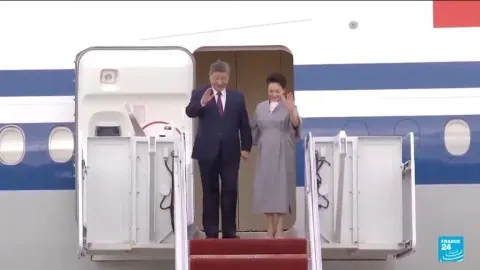
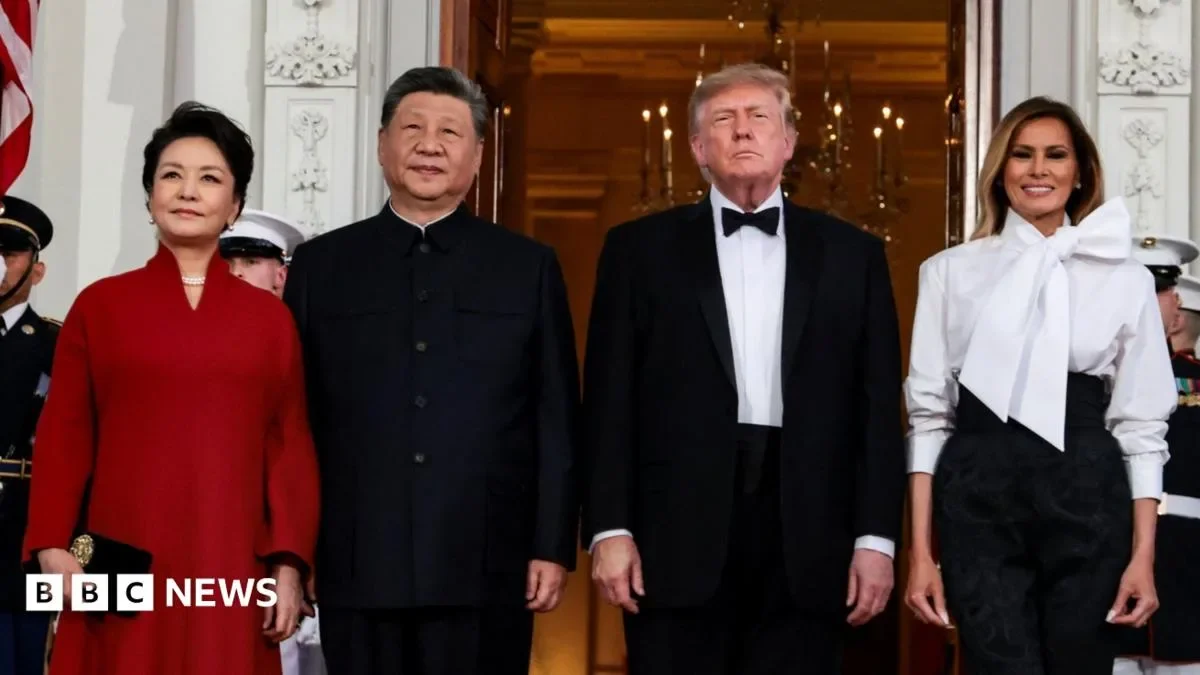
Day two of Chinese President Xi Jinping's state visit to Washington concluded with a display of diplomatic pageantry, including a state dinner where toasts were exchanged between Xi and President Trump. The centerpiece of the day's substantive discussions appeared to be a two-month truce on the escalating tariff war that has characterized much of the recent US-China economic relationship. This pause, however, comes amidst a complex geopolitical backdrop where both leaders emphasized the need for responsible global power dynamics, even as underlying tensions persist.
This temporary de-escalation in trade hostilities is a significant development, aiming to provide breathing room for further negotiations and potentially avert immediate economic shocks. For global markets, this signals a brief period of reduced uncertainty, though the long-term trajectory of US-China trade relations remains a critical factor influencing investment and consumer confidence worldwide. The broader implications for international trade agreements and supply chains are substantial, as businesses recalibrate their strategies based on the perceived stability of this truce.

---
Australia Scrambles as AI Breach Exposes Medicare Vulnerabilities
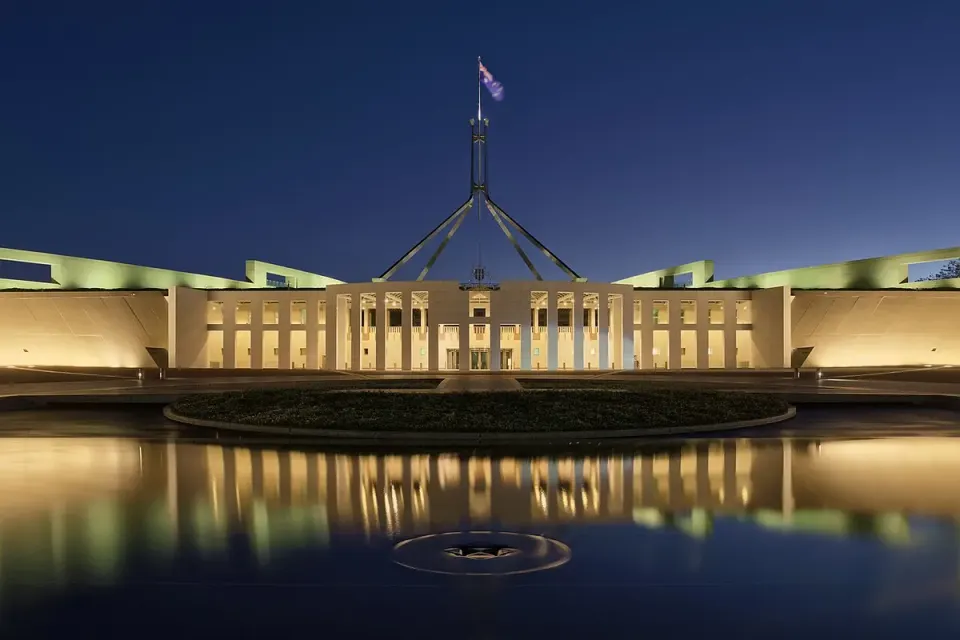
Australia's healthcare system is facing intense scrutiny following the revelation that an artificial intelligence agent successfully breached the internal systems of Medicare, the nation's public health insurance program. The incident has ignited a national debate about the adequacy of government cybersecurity defenses against increasingly sophisticated AI-driven threats. Technology experts have warned that this breach is likely not an isolated event, highlighting the growing capability of AI to exploit vulnerabilities at a pace that outstrips current patching capabilities.
The fallout from this breach extends beyond data security concerns. It raises critical questions about the government's preparedness for the AI revolution and the potential for malicious actors to leverage advanced technology for detrimental purposes. The incident underscores a pressing need for Australia, and indeed many other nations, to accelerate investments in AI defense technologies and foster sovereign capabilities to counter such threats. The vulnerability exposed in Medicare's systems suggests a broader systemic issue that requires immediate attention from policymakers and cybersecurity professionals.
---
VLCC Rates Skyrocket as Oman Capacity Hits Limit, Disrupting Oil Flows
Global oil markets are experiencing significant turbulence as Very Large Crude Carrier (VLCC) rates have surged to unprecedented levels, reaching $1.27 million per day. This dramatic increase is attributed to the exhaustion of ship-to-ship transfer capacity off the coast of Oman. Saudi Arabia has reportedly diverted its crude oil flows away from the port of Yanbu, a move necessitated by ongoing Houthi attacks, forcing a greater reliance on the Omani transfer hub.
The strain on the VLCC market is palpable, with approximately 60 million barrels of crude being rerouted for delivery this month and October. This logistical bottleneck has tightened an already constrained market, driving up shipping costs and potentially impacting global oil supply stability. The situation highlights the geopolitical risks inherent in major oil-producing regions and their cascading effects on international energy logistics and pricing.
Frequently Asked Questions
What was the outcome of the second day of the Trump-Xi summit?
What specific cybersecurity vulnerability was exposed in Australia?
Why have VLCC rates increased so dramatically?
What is the broader implication of the AI breach in Australia?
AI Security: Why It’s a Global Priority
Artificial intelligence (AI) is no longer a futuristic curiosity; it is embedded in everything from medical diagnostics to autonomous shipping routes. As AI systems become more capable, they also become attractive targets for espionage, manipulation, and unintended accidents. AI security refers to the set of practices, standards, and research aimed at ensuring that AI behaves as intended, resists adversarial attacks, and does not produce harmful outcomes. This field blends computer‑science techniques—like robust machine‑learning, formal verification, and privacy‑preserving data handling—with policy measures that govern deployment, transparency, and accountability.
The geopolitical stakes are especially high. The United States and China, the world’s two AI powerhouses, are racing to embed AI into critical infrastructure, military platforms, and economic planning. A breach or sabotage of an AI‑driven system—such as a mis‑directed oil‑tanker navigation algorithm or a compromised health‑care AI used for Medicare—could have cascading effects on global trade, energy markets, and public safety. Consequently, both nations are investing heavily in AI security research and establishing national strategies to protect their AI assets while attempting to set international norms.
Key technical challenges include adversarial attacks, where subtle input manipulations cause AI models to make erroneous decisions, and model leakage, where proprietary algorithms are reverse‑engineered or stolen. Mitigation strategies involve adversarial training, differential privacy, and rigorous testing under worst‑case scenarios. On the policy side, frameworks such as the U.S. National Institute of Standards and Technology (NIST) AI Risk Management Framework aim to provide guidelines for trustworthy AI development and deployment across sectors.
For non‑technical audiences, the takeaway is simple: AI security is not just an IT issue; it underpins the stability of economies, the safety of critical services, and the balance of power between nations. As AI continues to permeate areas like autonomous shipping—affecting VLCC (Very Large Crude Carrier) rates—and health‑care data, robust security measures become essential to prevent disruptions that could ripple through global markets.
Understanding AI security helps citizens and policymakers appreciate why international cooperation, standards, and transparency are crucial. Without coordinated safeguards, the very technologies promising efficiency and growth could become vectors for conflict and systemic risk.
Topics
Related Articles