Iran Joins Russia’s Cultural Bloc as Global Inflation Data Reveals Five Years of Consumer Pain
حضور ایران در مجمع فرهنگی روسیه همزمان با گزارشهای تکاندهنده از تورم ۵ ساله و نوسان بازارها
Iran’s Culture Minister arrives in St. Petersburg for a massive 70-nation forum as Tehran seeks to solidify its 'Eastern pivot.' Meanwhile, new market data highlights the brutal reality of five-year inflation trends, and Italy’s Giorgia Meloni faces backlash over controversial school integration policies.
At time of publishing
USD
233,500
Toman
Gold 18K
23.87M
Toman / gram
Bitcoin
$84,325
US Dollar
Tether
233,456.102
Toman
Iran Strengthens Soft Power Ties in St. Petersburg
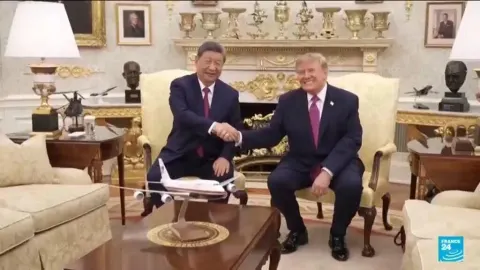
At 16:00 Tehran time, the 12th International United Cultures Forum opened in St. Petersburg, Russia, with Iran taking a prominent seat at the table. Iranian state media reported that Culture and Islamic Guidance Minister Seyyed Abbas Salehi is leading a delegation to the event, which features representatives from over 70 countries. This participation is part of a broader, deliberate strategy by the Iranian administration to bypass Western diplomatic isolation by leaning into the 'Global South' and BRICS-aligned cultural frameworks. For the average Iranian, these high-level cultural exchanges are often viewed as precursors to deeper economic and security pacts, though the immediate impact on the domestic economy remains largely symbolic.
The forum serves as a platform for Russia and its allies to challenge Western cultural hegemony. By attending, Tehran is signaling that its 'Eastern pivot' is not merely about oil and drones, but also about building a shared narrative with Moscow and other non-Western powers. However, critics argue that such forums often produce more rhetoric than results, failing to address the fundamental economic sanctions that continue to weigh on the Iranian Toman. While the government highlights these meetings as evidence of international legitimacy, the real test remains whether these cultural ties can translate into tangible trade benefits that ease the cost of living for Iranian citizens.

Global Inflation: The Five-Year Squeeze on Consumers
New economic data released today provides a sobering look at how inflation has fundamentally reshaped the global economy over the past five years. From the notorious '$6 eggs' to the now-commonplace '$50,000 family car,' the reports illustrate a permanent shift in price levels that has crushed consumer confidence across the West and beyond. This global inflationary wave has a direct psychological and economic ripple effect in Iran. As global prices for commodities and food remain elevated, the pressure on the Iranian Toman intensifies, making the cost of imported goods even more prohibitive for the middle class. Today’s market data shows the USD in Tehran moved from 234,200 to 233,500 Toman, a slight 0.3% appreciation for the local currency, but one that barely scratches the surface of long-term price hikes.
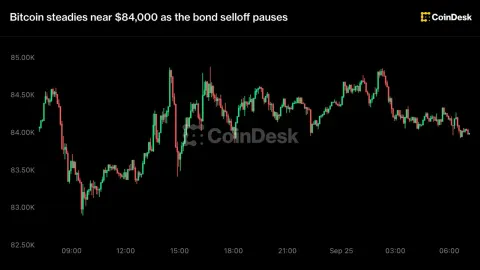
The persistence of high prices globally means that central banks, particularly the US Federal Reserve, are unlikely to pivot to aggressive rate cuts anytime soon. This 'higher-for-longer' environment keeps the US Dollar strong against most global currencies, including the Toman. For Iranian savers, the lesson of the last five years has been one of survival; as inflation ate away at purchasing power, many turned to gold and Bitcoin as hedges. Gold 18k in Tehran saw a 0.7% decrease today, moving from 24,054,665 to 23,874,601 Toman per gram, reflecting a temporary cooling in a market that has otherwise been on a relentless upward trajectory for years.
Populism and Policy: Meloni’s School Caps and Trump’s Fishing Order
In Europe, Italian Prime Minister Giorgia Meloni is facing a firestorm of criticism over a new decree that places a cap on the number of foreign children allowed in Italian classrooms. Critics accuse Meloni of 'running scared' and pandering to far-right voters ahead of next year’s elections. The policy, which also includes a ban on the burqa and niqab in schools, is framed by the government as an 'integration' measure, but opponents see it as a divisive tool that could alienate migrant communities. This shift toward more restrictive social policies in Europe is a key trend for the Iranian diaspora and those looking to migrate, as the 'welcoming' atmosphere of the past decade continues to evaporate across the Mediterranean.
Meanwhile, across the Atlantic, Donald Trump has signed a controversial executive order regarding recreational fishing, which environmental advocates are calling a 'giveaway' of the ocean ecosystem. The order directs federal agencies to prioritize the $1.2 trillion outdoor recreation economy over certain scientific and environmental regulations. This move is classic Trumpian deregulation, aimed at boosting economic activity by stripping away what he calls 'bureaucratic red tape.' For global observers, these moves—from Meloni’s social restrictions to Trump’s environmental rollbacks—signal a broader global trend where economic and identity politics are being prioritized over international norms and environmental sustainability.

Forensics and the Future: DNA Databases for Security
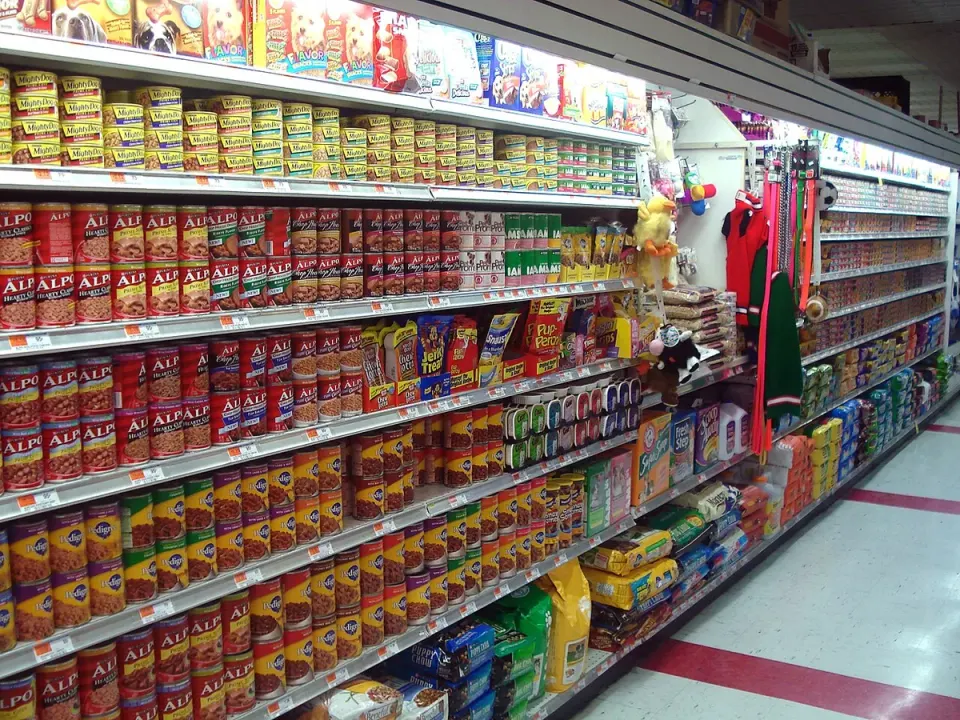
In a surprising development in forensic technology, experts in the UK are now working on a comprehensive DNA database for dogs to help police track criminals. While it sounds like a niche story, the implications for surveillance and security are significant. Canine material—hair and saliva—is frequently found at crime scenes but rarely utilized to its full potential. By creating a genetic map of canine breeds, law enforcement can link suspects to scenes with a new level of precision. This 'forensic frontier' is something that security-conscious regimes, including those in the Middle East, are watching closely as they look for new ways to modernize their domestic surveillance and policing capabilities in an increasingly tech-driven world.

Frequently Asked Questions
چرا حضور ایران در مجمع فرهنگی روسیه اهمیت دارد؟
وضعیت قیمت دلار و طلا در بازار امروز تهران چگونه بود؟
قانون جدید جورجیا ملونی در مورد مدارس ایتالیا چیست؟
Understanding Global Inflation: The Silent Eroder of Purchasing Power
Inflation is a fundamental economic concept that describes the rate at which the general level of prices for goods and services is rising, and subsequently, the purchasing power of currency is falling. When inflation is high, a unit of currency buys fewer goods and services than it did previously. The headline's mention of "Global Inflation Data Reveals Five Years of Consumer Pain" directly points to the persistent and widespread nature of this economic phenomenon, impacting households and businesses worldwide.
The causes of inflation are multifaceted. "Demand-pull" inflation occurs when aggregate demand in an economy outpaces aggregate supply, leading to prices being bid up. "Cost-push" inflation, on the other hand, arises from increases in the cost of production, such as higher energy prices, wages, or raw material costs, which businesses then pass on to consumers. Global factors like supply chain disruptions, geopolitical tensions (as potentially implied by "Iran Joins Russia’s Cultural Bloc"), and expansionary monetary policies during crises can all contribute to inflationary pressures that transcend national borders.
The effects of sustained inflation are profound. For consumers, it means their savings lose value over time, and their wages buy less, leading to the "consumer pain" mentioned. Businesses face increased uncertainty regarding future costs and revenues. In countries like Iran, where currency exchange rates ("USD IRR price") are volatile, high inflation can lead to a rapid depreciation of the local currency against major international currencies, further exacerbating the cost of imported goods. This often drives individuals to seek safe-haven assets like gold ("Gold price Tehran") to protect their wealth from erosion. Central banks and governments typically respond to inflation through monetary policy adjustments, such as raising interest rates, and fiscal measures, though these policies often take time to have an effect.