Iran Cites NATO Chief on Europe's Role in US-Israel War; London Sees M&A Boom
ایران نقش اروپا در جنگ آمریکا و اسرائیل را از زبان دبیرکل ناتو تایید کرد؛ رونق معاملات ادغام و تملک در لندن
Iran's UN envoy claims NATO's acknowledgment of European support for operations against Iran validates the continent's role in a US-led conflict. Meanwhile, London's financial sector is experiencing a surge in mergers and acquisitions, generating over £1 billion in fees amid a cost of living crisis.
At time of publishing
USD
234,500
Toman
Gold 18K
23.81M
Toman / gram
Bitcoin
$84,589
US Dollar
Tether
234,753
Toman
Iran Cites NATO Chief on Europe's Role in US-Israel War
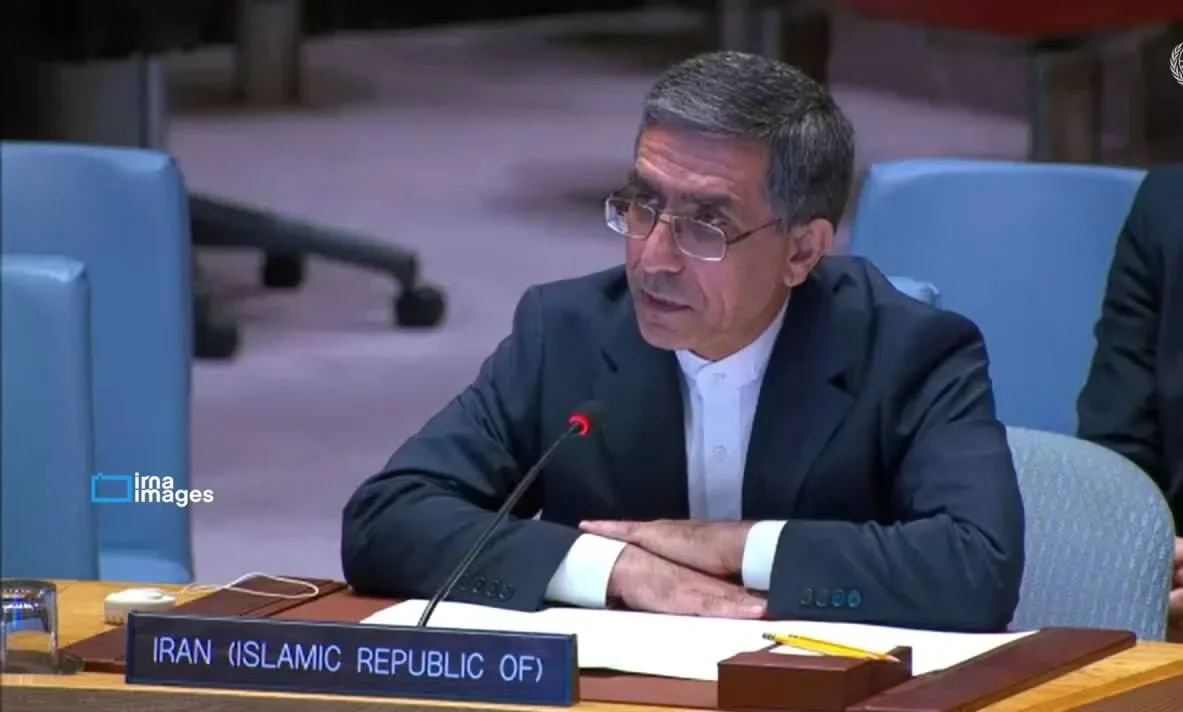
Iran's Ambassador and Deputy Permanent Representative to the United Nations in New York, Gholamhossein Darzi, has asserted that remarks by the NATO Secretary General, acknowledging thousands of flights from European territory for attacks against Iran, serve as definitive proof of Europe's "indispensable role" in facilitating what Iran terms US "aggression and war crimes." This statement, reported by IRNA, positions European nations not merely as passive observers but as active enablers of military actions, significantly escalating the diplomatic rhetoric surrounding regional conflicts and Iran's perceived adversaries.
The implication of Darzi's statement is that Europe's involvement, whether through logistical support, intelligence sharing, or airspace access, makes it complicit in the conflicts. This narrative seeks to shift blame and international scrutiny towards European capitals, potentially aiming to fracture Western alliances or to justify Iran's own defensive or retaliatory posture. For Iranian citizens, such statements often translate into heightened geopolitical tensions, which can influence currency expectations, trade relations, and overall economic confidence, particularly if they presage further sanctions or broader regional instability.
---
President Pezeshkian Returns from UNGA Amidst Diplomatic Maneuvering
President Masoud Pezeshkian has returned to Tehran following his participation in the 81st session of the United Nations General Assembly in New York. His arrival at Mehrabad Airport was marked by a formal reception, underscoring the significance of his international engagements. The President's attendance at the UNGA provided a platform to articulate Iran's foreign policy stance and address global issues on an international stage, a crucial endeavor amidst ongoing regional and international pressures.
Simultaneously, Foreign Minister Abbas Araghchi held bilateral talks with his Nicaraguan counterpart, Valdrack Ludwing Jaentschke Whitaker, on the sidelines of the UNGA. These discussions, also reported by IRNA, signal Iran's efforts to strengthen diplomatic ties with non-Western nations and potentially build alliances or secure support on international platforms. Such diplomatic outreach is often aimed at counterbalancing the influence of traditional adversaries and diversifying Iran's international partnerships, which can have indirect implications for economic policies and sanctions relief efforts.
---
London's Financial Sector Sees £1 Billion M&A Fee Bonanza Amidst Economic Strain
London's investment bankers and lawyers have collectively earned over £1 billion from a significant surge in mergers and acquisitions (M&A) this year, according to reports from The Guardian. This financial windfall comes as the value of M&A deals involving UK-listed companies has skyrocketed by 175% to $132.9 billion. The rapid pace of these transactions, with overseas buyers acquiring British firms at an unprecedented rate, highlights a dynamic but also contentious aspect of the current economic landscape.
The substantial fees generated have ignited public anger, particularly in light of the ongoing cost of living crisis affecting many Britons. Critics argue that such high remuneration for financial professionals is out of touch with the economic realities faced by ordinary citizens. This stark contrast between the booming M&A activity and the widespread financial hardship raises questions about wealth distribution and corporate responsibility within the UK's financial hub, potentially influencing regulatory discussions and public sentiment towards the City of London.

---
Bitcoin Holds Steady Above $84,000 as Q3 Rally Cools
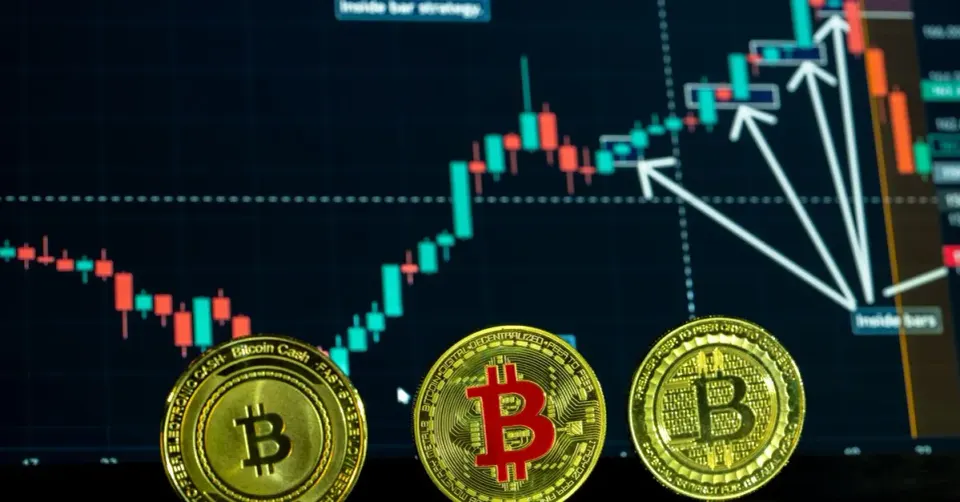
Bitcoin has maintained its position above the $84,000 mark as the third quarter of the year approaches its conclusion, reflecting a period of strong performance for the cryptocurrency. Despite consolidating in a tight range, the digital asset has demonstrated resilience, building on a significant rally that has characterized much of the past few months. This stability above a key psychological threshold indicates continued investor interest and a potential for further upward movement, though the pace of the rally may be slowing.
The steady performance of Bitcoin occurs against a backdrop of broader market dynamics. While specific catalysts for the current consolidation are not immediately apparent, the cryptocurrency market often reacts to macroeconomic news, regulatory developments, and shifts in investor sentiment. For observers and investors in Iran, Bitcoin's performance, along with that of USDT, can offer insights into alternative investment avenues and potential hedges against currency fluctuations, even as official exchange rates remain a primary concern.
---
Iran and Nicaragua Deepen Diplomatic Ties on UNGA Sidelines
Foreign Minister Abbas Araghchi of Iran engaged in diplomatic discussions with his Nicaraguan counterpart, Valdrack Ludwing Jaentschke Whitaker, during the 81st session of the United Nations General Assembly in New York. This meeting underscores Iran's ongoing strategy to cultivate relationships with nations that offer alternative diplomatic and economic partnerships, potentially serving as a counterweight to Western influence and sanctions.
The engagement with Nicaragua, a country with its own complex relationship with Western powers, signals a shared interest in fostering multilateral cooperation outside traditional blocs. Such bilateral talks can lay the groundwork for future trade agreements, political alignments, or mutual support in international forums. For Iran, these diplomatic maneuvers are crucial for navigating the international landscape and mitigating the impact of sanctions, potentially influencing future economic opportunities and trade routes available to Iranian businesses and citizens.
Frequently Asked Questions
What specific role did Iran claim Europe played in the US-Israel war, according to the NATO chief's remarks?
How much money did London's investment bankers and lawyers make from M&A deals this year?
What is the current status of Bitcoin's price?
What was the purpose of Foreign Minister Araghchi's meeting with his Nicaraguan counterpart?
Understanding Geopolitical Alliances
Geopolitical alliances are formal or informal agreements between two or more states to achieve common objectives, often centered around mutual security, economic cooperation, or shared political interests. These arrangements are fundamental to the international system, shaping global power dynamics, influencing regional conflicts, and providing frameworks for collective action or deterrence. While they can foster stability by creating blocs of power, they can also exacerbate tensions by drawing clear lines between opposing sides.
A prominent example is the North Atlantic Treaty Organization (NATO), a military alliance formed in 1949 by the United States, Canada, and several Western European nations. Its primary purpose during the Cold War was collective defense against the Soviet Union, epitomized by Article 5, which states that an attack against one member is an attack against all. Post-Cold War, NATO has adapted its role to address new security challenges, including terrorism, cyber warfare, and regional instability, highlighting the evolving nature and enduring relevance of such alliances.
The influence of geopolitical alliances extends significantly to regional conflicts. When a conflict emerges, the involvement or non-involvement of major powers or alliances can dramatically alter its trajectory, scale, and potential for resolution. Alliances can provide military aid, diplomatic support, or economic sanctions, thereby either intensifying the conflict by backing one side or potentially de-escalating it through coordinated diplomatic pressure. The interplay between alliance commitments and national interests often creates complex scenarios, especially when members have differing perspectives on intervention or engagement.
Understanding geopolitical alliances is crucial for comprehending international news, as they represent the underlying architecture of global power. They explain why certain nations support or oppose particular actions on the world stage, how conflicts can draw in external actors, and the delicate balance of power that dictates much of international diplomacy. The shifting landscape of these alliances, the emergence of new blocs, and the strains within existing ones are constant subjects of analysis for policymakers and observers alike.