UK Proposes 'NHS-Style' Social Care as Security Alert Hits US-Linked Airbase; Toman Edges Higher
طرح جنجالی بیمه همگانی در بریتانیا و آمادهباش امنیتی در نزدیکی پایگاه آمریکا؛ دلار و طلا گران شدند
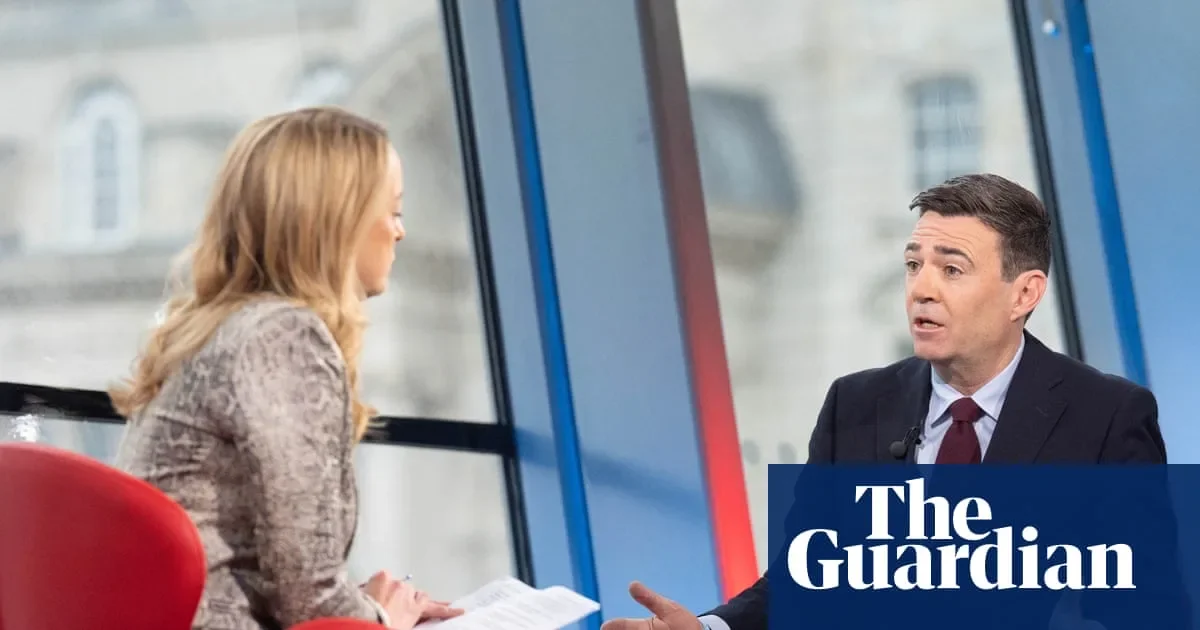
Greater Manchester Mayor Andy Burnham has unveiled a radical vision for universal free social care in England, aiming to fix a system he claims is breaking the NHS. Simultaneously, a major security incident near a US-linked airbase in the UK and hawkish rhetoric from Tehran have pushed the Toman slightly higher in Sunday trading.
At time of publishing
USD
235,900
Toman
Gold 18K
23.97M
Toman / gram
Bitcoin
$84,897
US Dollar
Tether
235,755.67
Toman
UK Politics: The Radical Shift Toward Universal Social Care
Andy Burnham, the Mayor of Greater Manchester and a prominent figure in the Labour Party, has sparked a national debate by calling for a total overhaul of the British social care system. Burnham’s proposal aims to create a universal service, free at the point of use, modeled directly after the National Health Service (NHS). He argued that the current fragmented and underfunded system is effectively "breaking" the NHS, as hospitals remain clogged with patients who cannot be discharged due to a lack of community care. By "ripping off the plaster," Burnham suggests that the government must move toward a system funded by collective taxation rather than individual savings, a move he intends to place at the heart of the next general election manifesto.
While the Prime Minister has expressed support for the vision, the financial reality remains a significant hurdle. Independent groups like the Health Foundation estimate that such a system could cost upwards of £18 billion annually. Burnham, however, disputes these high-end figures, suggesting that the long-term savings from a more efficient health ecosystem would offset the initial investment. This policy shift represents one of the most significant proposed expansions of the British welfare state in decades, reflecting a growing global trend where aging populations are forcing governments to reconsider how they fund long-term care without bankrupting the middle class.
Security Alert: Explosives Arrests Near US-Linked Airbase
In a developing security story, British police have declared a "major incident" near RAF Fairford in Gloucestershire, a strategic airbase frequently utilized by United States forces for long-range operations. Authorities evacuated dozens of homes on Sunday following the arrest of several men on suspicion of explosives-related offenses. The timing of the incident has raised eyebrows across geopolitical circles, as Fairford has historically served as a critical launch point for US missions in the Middle East, including those involving surveillance and deterrence strategies regarding Iran. While police have not yet linked the suspects to any specific foreign entity, the high-alert status reflects the heightened sensitivity of military installations in Europe amid ongoing global conflicts.
This incident adds another layer of complexity to the security landscape in the United Kingdom, which is already grappling with the spillover effects of the Russia-Ukraine war and Middle Eastern tensions. The evacuation of civilians and the involvement of counter-terrorism units suggest that authorities are taking no chances with potential threats to allied infrastructure. For international observers, the event serves as a reminder that the domestic security of Western nations remains deeply intertwined with their military posturing abroad, particularly when it involves key logistical hubs for the US Air Force.
Tehran Markets: Toman Rises Amid Military Posturing
Domestic markets in Iran saw a modest uptick in volatility this Sunday as political and military rhetoric intensified. The US Dollar (USD) sell rate moved from 234,700 to 235,900 Toman, marking a 0.5% increase in 24 hours. This slight depreciation of the national currency coincided with statements from Major General Abdolrahim Mousavi, the Chief Commander of Iran’s Army. Mousavi claimed that the "enemy" has suffered heavy blows in the ongoing regional shadow wars but warned that the conflict has entered a "sensitive and decisive phase." Such rhetoric, often used to project strength during periods of economic pressure, typically triggers a flight to hard assets among local investors.
Gold prices followed a similar trajectory, with 18-karat gold rising from 23,858,442 to 23,973,867 Toman per gram (+0.5%). The Emami coin also saw a slight gain, reaching 239,500,000 Toman (+0.4%). While these movements are relatively small in percentage terms, they reflect a persistent lack of confidence in the Toman as regional tensions remain unresolved. Traders are closely watching the fallout from the UK security incident and any potential US response, as any escalation involving Western military assets usually results in immediate pressure on the Iranian currency market.
Global Context: Economic Pressures and Neutrality Debates
Beyond the immediate headlines in the UK and Iran, the global economy is facing a series of structural shifts. In Switzerland, a historic referendum is underway to decide whether the country should adopt a much stricter definition of neutrality in its constitution. This move comes as a reaction to Switzerland’s participation in sanctions against Russia, which some domestic factions argue undermines the nation's centuries-old non-aligned status. The outcome of this vote could set a precedent for other historically neutral nations, such as Austria or Ireland, who are currently debating their ties to NATO and the European defense framework.
Meanwhile, the energy sector is bracing for a prolonged supply squeeze. The International Gas Union has warned that global natural gas supplies will likely remain tight through next summer, potentially causing further demand destruction in Europe and Asia. For Iran, which holds massive gas reserves but lacks the infrastructure and investment to fully capitalize on global shortages due to sanctions, this "gas squeeze" is a missed opportunity for significant revenue. As winter approaches, the intersection of energy scarcity and geopolitical instability continues to be the primary driver of market sentiment across both developed and emerging economies.
Frequently Asked Questions
چرا طرح اندی برنهام برای مراقبتهای اجتماعی اهمیت دارد؟
اهمیت پایگاه هوایی فیرفورد در بریتانیا چیست؟
علت اصلی افزایش قیمت دلار و طلا در بازار امروز تهران چیست؟
The Interplay of Geopolitics and Currency Exchange Rates: Lessons from the Iranian Toman
The movement of a nation's currency is often seen as a barometer of its economic health, but it is also profoundly influenced by geopolitical events and domestic stability. When news headlines mention a currency like the Iranian Toman "edging higher" or "plummeting" against major global currencies like the U.S. dollar, it's a signal that more than just economic fundamentals are at play. This phenomenon highlights the intricate interplay between international relations, security concerns, and the value of a nation's money on the global stage.
Geopolitical risks, such as military tensions, sanctions, or significant domestic unrest, can directly impact investor confidence. When uncertainty rises, foreign investors may withdraw capital, and domestic citizens might seek to convert their local currency into more stable assets, like foreign currencies or gold. This increased demand for foreign currency and decreased demand for the local currency leads to depreciation—meaning it takes more units of the local currency to buy one unit of a foreign currency. Conversely, a reduction in perceived risk or a positive political development can strengthen a currency.
The Iranian Toman (a common term for the Iranian Rial, with 1 Toman equalling 10 Rials) provides a stark example of this dynamic. Due to decades of international sanctions, political tensions with global powers, and internal economic challenges, the Toman's value has been highly volatile. Security alerts or news related to regional stability or the status of sanctions can trigger immediate reactions in its exchange rate, both in official and parallel markets like the Tehran Gold Market. People often turn to gold or foreign currency as a hedge against inflation and political uncertainty, further driving demand and impacting the Toman's value.
Understanding this relationship is crucial because a fluctuating or depreciating currency has significant real-world consequences. It can erode the purchasing power of citizens, make imports more expensive (leading to inflation), and complicate economic planning for businesses and the government. For policymakers, managing a currency under geopolitical pressure requires navigating complex domestic and international factors, often with limited tools, to maintain some semblance of economic stability.