Iran-Uzbekistan Trade Hits $280M as IRGC Seizes Second US Underwater Drone in Hormuz
تجارت ۲۸۰ میلیون دلاری ایران و ازبکستان همزمان با توقیف دومین پهپاد زیرسطحی آمریکا در هرمز
Iran reports a significant boost in trade with Uzbekistan, reaching $280 million in five months, while the IRGC claims to have captured another US underwater drone in the Strait of Hormuz. Meanwhile, the Toman continues to face pressure, with the USD rising 0.6% in 24 hours.
At time of publishing
USD
236,000
Toman
Gold 18K
24.01M
Toman / gram
Bitcoin
$84,974
US Dollar
Tether
236,100
Toman
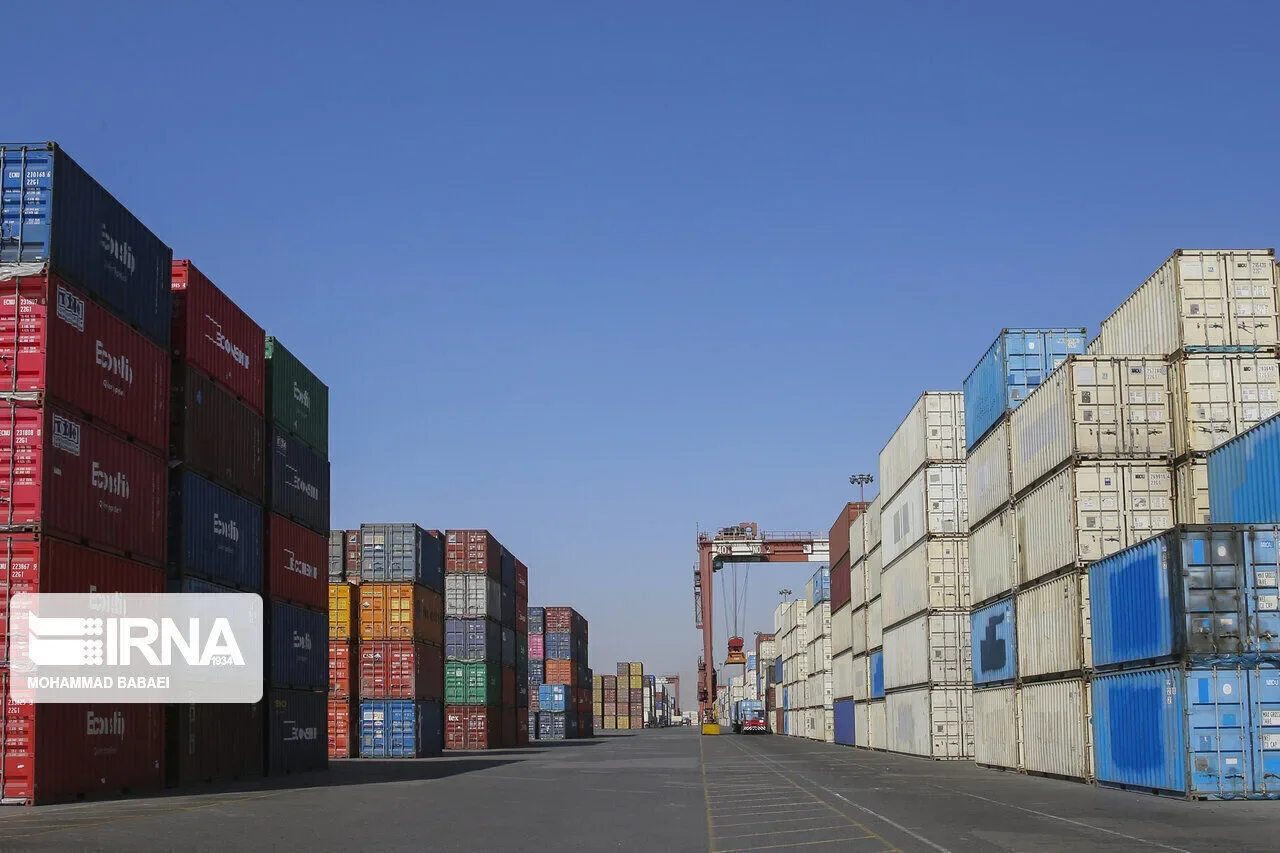
Iran-Uzbekistan Trade Reaches $280 Million Milestone
In a move highlighting Tehran's continued pivot toward Central Asian markets, trade between Iran and Uzbekistan has officially reached approximately $280 million during the first five months of the current Iranian calendar year. According to reports from state-affiliated media, this economic activity represents a strategic effort to diversify trade partners amidst ongoing Western sanctions. The collaboration is not limited to traditional goods; it increasingly focuses on agricultural exports, technological exchange, and joint investment projects. Officials in Tehran suggest that Uzbekistan is becoming a critical node in Iran’s regional economic integration, providing a gateway to the broader Eurasian market.
This growth in bilateral trade is significant because it reflects a broader trend of regionalism as a survival mechanism. By securing deals in technology and agriculture, the Iranian administration seeks to stabilize domestic supply chains that are often disrupted by international financial restrictions. However, for the average Iranian citizen, the benefits of such trade agreements are often overshadowed by the immediate volatility of the currency market. While these millions of dollars in trade are a positive sign for the industrial sector, they have yet to translate into a strengthening of the Rial or a reduction in the cost of living for the general population.
IRGC Seizes Second US Underwater Drone in Strait of Hormuz
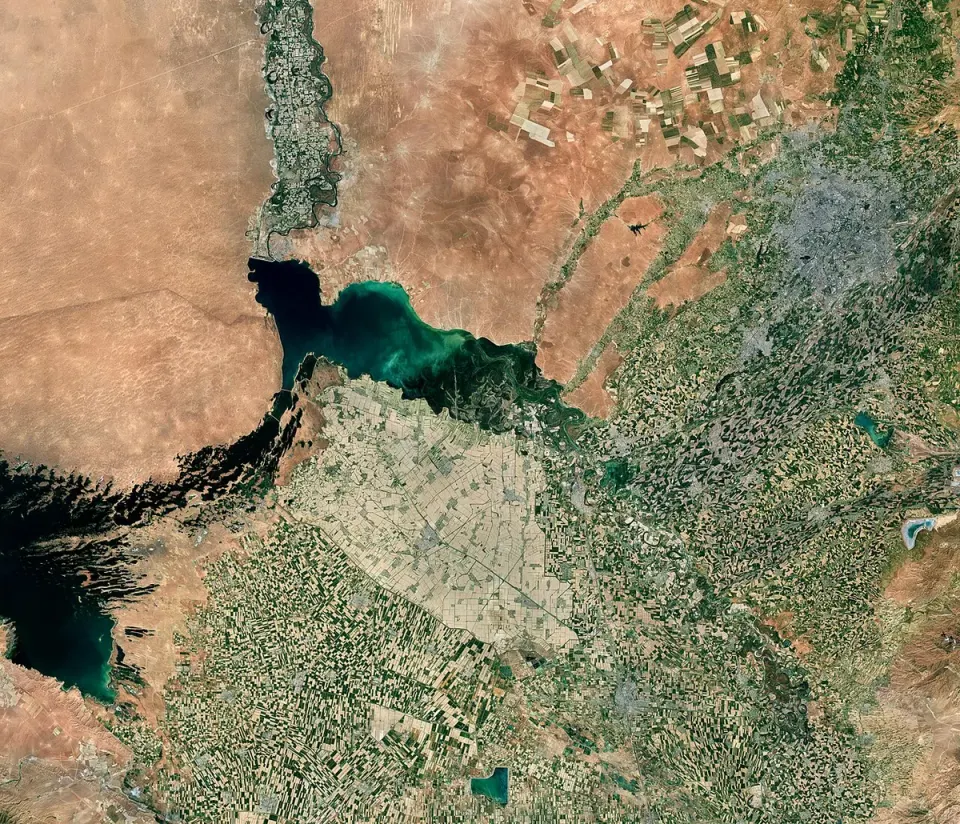
The Islamic Revolution Guards Corps (IRGC) Navy has announced the seizure of a second unmanned underwater vehicle (UUV) belonging to the United States military in the sensitive waters of the Strait of Hormuz. Iranian state media, citing naval officials, characterized the US presence as "terrorist" and framed the seizure as a necessary measure for maritime security. This incident follows a pattern of increasing friction in one of the world's most vital oil transit chokepoints. The capture of high-tech surveillance equipment like UUVs allows the IRGC to project power and potentially gain intelligence on US naval operations in the Persian Gulf.
From a geopolitical perspective, this escalation serves as a reminder of the fragility of regional stability. Every incident in the Strait of Hormuz sends ripples through global energy markets and heightens the risk of direct military miscalculation. For investors and traders in Tehran, these reports often act as a catalyst for defensive asset buying. When tensions rise in the Gulf, the demand for hard currency and gold typically spikes, as the public anticipates further sanctions or potential conflict. This latest seizure adds another layer of complexity to the already stalled diplomatic efforts between Washington and Tehran.
Market Snapshot: Toman Edges Lower as Gold Holds Gains
The domestic financial landscape in Iran remains under pressure as the new week begins. The US Dollar (USD) sell rate moved from 234,700 to 236,000 Toman, marking a 0.6% increase over the last 24 hours. This steady climb reflects a persistent lack of confidence in the local currency despite the government's announcements of new trade deals. Gold has followed a similar trajectory, with 18k gold rising from 23,858,442 to 24,008,495 Toman per gram (+0.6%). The Emami coin also saw a proportional rise, reaching 240,000,000 Toman. These movements suggest that the market is currently pricing in the geopolitical risks associated with the recent naval incidents in the south.
In the global arena, Bitcoin continues to trade at high levels, currently sitting at $84,974. While crypto remains a popular alternative for some Iranian investors looking to hedge against inflation, the sheer scale of the Toman's depreciation makes entry points difficult for the average saver. The correlation between domestic gold prices and the global ounce—which is currently at a staggering $4,286.20—creates a double-whammy for consumers. As both the global commodity price and the local exchange rate rise simultaneously, the purchasing power of the Iranian middle class continues to erode at an accelerating pace.
Global Healthcare Disparities: The Sickle Cell Crisis
Away from the immediate noise of the markets, new research has highlighted a staggering failure in the United States healthcare system regarding the treatment of sickle cell disease. Despite the availability of effective technology, researchers found that only 3% of US sickle cell patients receive red blood cell exchange, a procedure that can significantly improve quality of life and prevent complications. This gap in care is attributed to a variety of systemic factors, including high costs, lack of specialized centers, and racial disparities in healthcare access. The findings underscore that even in the world's largest economy, medical advancement does not always equate to patient accessibility.
For the international community, this story serves as a case study in the limitations of privatized healthcare models. While the technology for red blood cell exchange is widespread, the economic barriers prevent it from reaching those who need it most. This highlights a global trend where high-end medical solutions remain the privilege of the few, while the majority of patients suffer from manageable conditions. It also prompts a discussion on how governments, including those in developing nations, must balance the acquisition of new technology with the infrastructure needed to deliver that technology equitably to their populations.

Frequently Asked Questions
Why is the trade with Uzbekistan significant for the Iranian economy?
What is an Unmanned Underwater Vehicle (UUV) and why did the IRGC seize it?
Why are gold prices in Iran rising despite a relatively small move in the USD?
The Strait of Hormuz: A Global Geopolitical Chokepoint
The Strait of Hormuz is a narrow, strategically vital waterway connecting the Persian Gulf to the Gulf of Oman and the Arabian Sea. It serves as the sole sea passage from the Persian Gulf to the open ocean, making it an indispensable artery for global energy trade. At its narrowest point, the strait is only about 21 nautical miles (39 kilometers) wide, yet it is through this constricted channel that a significant portion of the world's oil and liquefied natural gas (LNG) must pass. Its geographic location alone makes it one of the most critical maritime chokepoints on the planet.
This importance stems from the immense volume of energy resources that transit its waters daily. An estimated 20% of the world's total petroleum consumption and approximately one-third of the world's seaborne LNG pass through the Strait of Hormuz. Major oil producers like Saudi Arabia, Iran, Iraq, Kuwait, Qatar, and the UAE rely heavily on this strait for their exports to global markets. Any disruption, even minor, can send ripples through international energy markets, leading to volatile oil and gas prices and impacting economies worldwide.
Consequently, the Strait of Hormuz is a focal point of geopolitical tension and international security concerns. Incidents such as the seizure of vessels or drones, as mentioned in the headline, underscore the fragility of navigation through this critical passage. Nations with significant economic interests in the free flow of oil and gas, particularly major energy consumers and producers, closely monitor the situation in the Strait. The potential for military confrontation or blockades makes it a flashpoint, where regional disputes can quickly escalate into international crises affecting global supply chains and economic stability. Maintaining freedom of navigation in the Strait of Hormuz is thus a paramount concern for international diplomacy and security efforts.
Topics
Related Articles