UK Terror Alert Near US-Linked Base; Iran Seeks Clarification on Trump's Cease-Fire Stance
هشدار تروریستی در انگلیس نزدیک پایگاه آمریکایی؛ ایران خواهان شفافسازی موضع ترامپ در مورد آتشبس شد
A major incident near a UK airbase used in US operations against Iran has led to five arrests on terrorism and explosives charges, prompting security lockdowns and evacuations. Meanwhile, Iran is seeking clarification from the US regarding President Trump's rejection of a cease-fire proposal, amid expert analysis suggesting economic sanctions are the primary driver of his stance.
At time of publishing
USD
236,100
Toman
Gold 18K
23.94M
Toman / gram
Bitcoin
$85,031
US Dollar
Tether
236,244
Toman
UK Terror Alert Near RAF Fairford Prompts Arrests and Evacuations
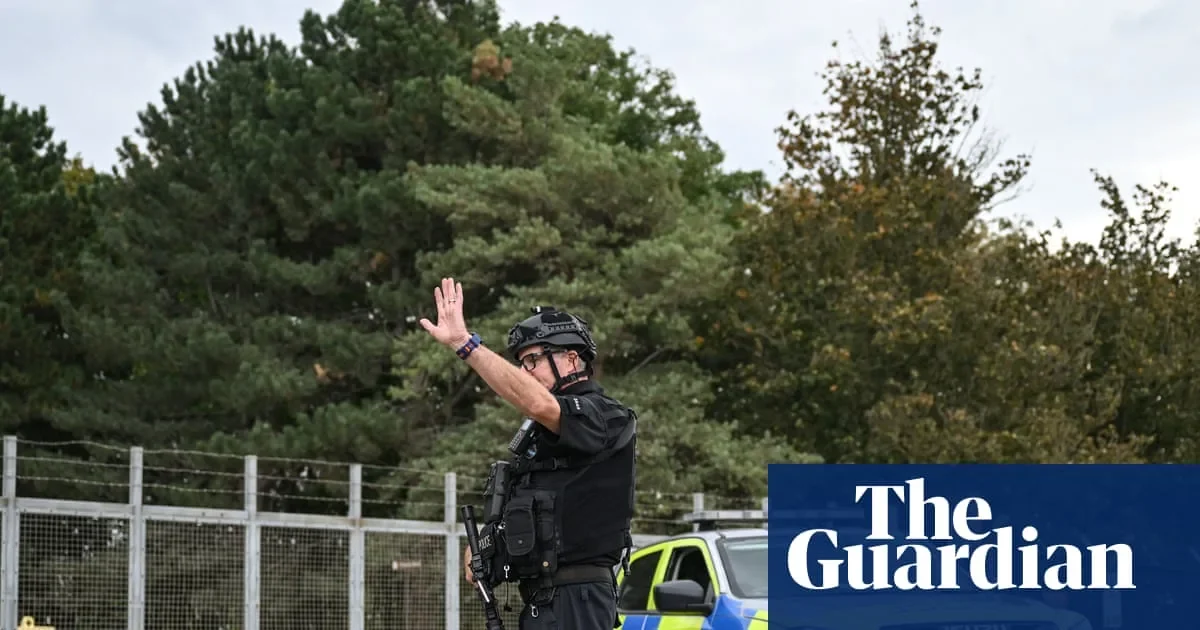
Five men have been arrested on suspicion of terrorism and explosives offenses following a 'major incident' near RAF Fairford in Gloucestershire, a UK airbase known for its role in US operations, including those targeting Iran. The arrests led to the evacuation of homes and the deployment of a bomb squad to the village of Whelford. Counter-terrorism police are leading the investigation, with enhanced security measures, including armed police and roadblocks, implemented across the area over the weekend. This heightened alert underscores the persistent security concerns surrounding critical infrastructure, particularly those with significant military ties.
The incident's proximity to an airbase utilized for US military actions, especially those directed at Iran, injects a layer of geopolitical complexity into the domestic security operation. While authorities are focusing on the immediate threat of explosives and terrorism, the broader implications for regional stability and potential foreign influence cannot be ignored. The arrests and heightened security measures are a stark reminder of the interconnectedness of global security threats and the constant vigilance required to maintain public safety, particularly in areas with strategic military importance.
---
Iran Seeks US Clarification on Trump's Cease-Fire Stance Amid Sanctions Strategy
Iran's Foreign Minister, Abbas Araghchi, has stated that the country is seeking clarification from the United States regarding President Trump's recent rejection of a cease-fire proposal. Araghchi indicated that due to a history of inconsistent messaging from the US administration, Trump's firm rebuff might not represent a final decision. This move by Iran highlights a diplomatic effort to navigate the complex communication channels with Washington and potentially gauge the true intent behind the US president's foreign policy pronouncements, especially concerning regional de-escalation.
Experts suggest that Trump's rejection of the truce offer is intrinsically linked to his administration's strategy of leveraging economic sanctions to extract further concessions from Iran. This approach, while aimed at pressuring Tehran, carries the risk of diminishing US leverage if Iran perceives the offers as insincere or if the sanctions lead to unintended consequences that destabilize the region. The ongoing interplay between diplomatic overtures and economic pressure defines the current dynamic, with Iran actively attempting to decipher and respond to the multifaceted US negotiating position.

---
Iran's Armed Forces Ready for 'Decisive Response' to Aggression
Brigadier General Mohammad Akrami-Nia, the spokesperson for Iran's Army, has declared that the country's armed forces are fully prepared to deliver a 'decisive response' to any new acts of aggression. He emphasized that any future attack would be met with a response that is more powerful, extensive, and conclusive than any previous engagement. This statement serves as a strong deterrent message, signaling Iran's unwavering resolve to defend its sovereignty and interests against external threats.
The readiness articulated by the Army spokesperson reflects Iran's ongoing commitment to maintaining a robust defense posture amidst a volatile regional security environment. The emphasis on a more significant and decisive response suggests a strategic recalibration aimed at deterring potential adversaries by clearly communicating the severe consequences of any hostile actions. This stance is crucial for regional stability, as it sets clear boundaries and expectations for potential aggressors, thereby influencing strategic calculations in the current geopolitical landscape.
Frequently Asked Questions
What was the 'major incident' near RAF Fairford?
Why is Iran seeking clarification from the US on Trump's cease-fire proposal?
What is the role of economic sanctions in Trump's approach to Iran?
What is the significance of Iran's army spokesperson's statement?
Understanding Economic Sanctions as a Tool of Foreign Policy
Economic sanctions are a powerful, non-military foreign policy tool used by countries or international bodies to pressure other states, entities, or individuals into changing their behavior. These measures typically involve restrictions on trade, finance, travel, or other economic interactions. The primary goal is to inflict economic costs on the target, thereby creating political pressure that compels them to comply with specific demands, such as halting nuclear programs, respecting human rights, or ceasing aggressive actions.
Sanctions can take various forms, ranging from comprehensive embargoes that restrict all trade with a country to targeted sanctions that focus on specific sectors, individuals, or entities. Common types include trade restrictions (tariffs, import/export bans), financial sanctions (asset freezes, restrictions on banking transactions, exclusion from international financial systems), and travel bans for specific officials. The intention behind these measures is to disrupt the target's economy, limit its access to vital resources or markets, and ultimately weaken its capacity to pursue policies deemed undesirable by the imposing authority.
The effectiveness of economic sanctions is a subject of ongoing debate. While they can undeniably inflict significant economic hardship and sometimes achieve their policy objectives, they also carry risks and potential unintended consequences. These can include humanitarian crises, the strengthening of authoritarian regimes (who can blame external forces for hardship), or the diversion of trade to other partners, undermining the sanctions' impact. The case of Iran, frequently subjected to extensive international sanctions, particularly under the Trump administration's "maximum pressure" campaign, exemplifies how these measures become central to diplomatic leverage and influence discussions around issues like cease-fires and regional stability.
Ultimately, sanctions serve as a critical component of statecraft, acting as a middle ground between diplomacy and military intervention. They are a constant factor in international relations, shaping negotiations and influencing the geopolitical landscape, as seen in the ongoing complexities of US-Iran relations.