Iran Seizes Vessels, Denies UK Terror Link; Gold, Toman Surge Amid Global Jitters
ایران دو شناور را توقیف کرد؛ طلا و تومان با تشدید تنشها در جهان صعودی شدند
Iran's Border Guard Command announced the seizure of two smuggling vessels and the arrest of 50 individuals in southern waters. Meanwhile, Tehran has firmly denied any connection to the recent arrests at a UK airbase. These developments coincide with a notable surge in gold and the Iranian Toman, reflecting broader global economic uncertainties and geopolitical tensions.
At time of publishing
USD
244,700
Toman
Gold 18K
24.38M
Toman / gram
Bitcoin
$83,507
US Dollar
Tether
243,212
Toman
Iran Seizes Vessels, Denies UK Terror Plot Link
The Border Guard Command of Iran's Hormozgan Province reported on Monday the successful execution of two separate operations in southern waters, resulting in the apprehension of 50 individuals identified as border trespassers and the seizure of two vessels engaged in smuggling activities. The operations took place in the waters off Minab and Qeshm, key maritime areas in the southern Iranian coast. This action by Iranian naval forces underscores ongoing efforts to maintain maritime security and combat illicit trade along its extensive coastline.
In a separate but related development, Iranian officials have categorically denied any involvement or connection to the recent arrests made at the Royal Air Force (RAF) Fairford airbase in the United Kingdom. British authorities arrested five men near the base, which is also utilized by the U.S. military. The UK's Defense Secretary Wes Streeting acknowledged a "live police investigation" and stressed the strong UK-US alliance, while Iran's foreign ministry issued a statement rejecting any links to the incident. These dual events highlight the complex geopolitical landscape Iran currently navigates, with domestic security operations occurring alongside international accusations and denials.
---
Gold and Toman Rally Amid Global Uncertainty
The Iranian Toman experienced a significant upward trend against the US Dollar over the past 24 hours, moving from 235,800 to 244,700 Toman per USD, marking a substantial 3.8% increase. This surge in the national currency, alongside a 2.7% rise in the Emami gold coin (from 240,500,000 to 247,000,000 Toman) and a 1.5% increase in 18-karat gold per gram (from 24,020,037 to 24,380,165 Toman), reflects a heightened sense of caution and risk aversion in the market. Investors are seeking safe-haven assets as geopolitical tensions and security concerns escalate globally.
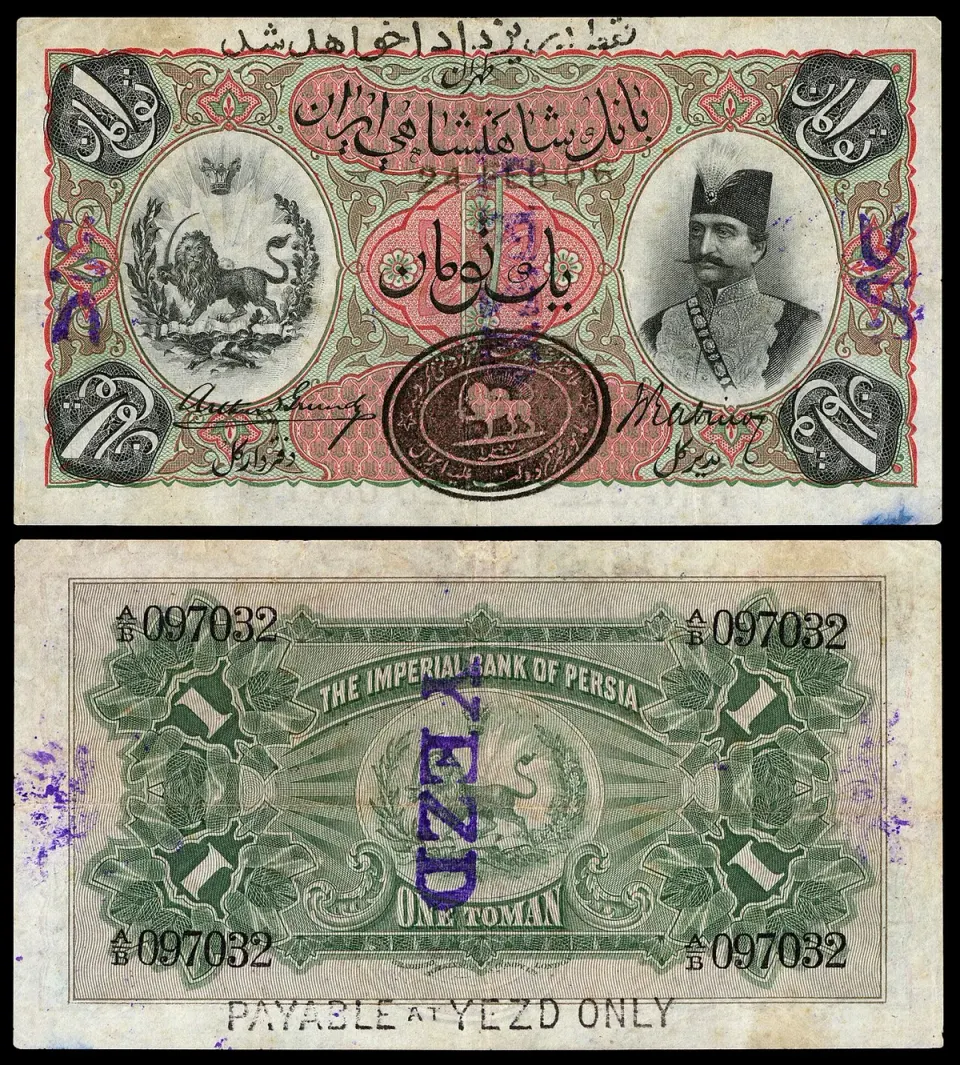
The uptick in gold prices and the Toman's strengthening are symptomatic of broader global economic anxieties. Reports of a potential terrorist plot at a UK airbase, coupled with ongoing geopolitical friction involving Iran, contribute to an environment where investors are moving away from riskier assets. The US dollar's general strength globally, often seen in times of crisis, is also a factor, but the Toman's appreciation against it suggests a specific demand for local safe havens within Iran, possibly driven by expectations of further currency volatility or a desire to preserve wealth amidst uncertainty. This sentiment is further amplified by sanctions-related news, such as the HCHR's statement that US aviation sanctions are detrimental to human safety, potentially adding another layer of complexity to Iran's economic outlook and its international trade relations.
---
Aviation Sanctions: HCHR Cites Human Impact
Iran's High Council for Human Rights (HCHR) has issued a strong statement criticizing the impact of U.S. sanctions on the country's aviation sector. The HCHR asserts that these sanctions extend beyond mere economic or commercial restrictions, directly jeopardizing the safety, health, and lives of Iranian citizens. The council argues that the inability to access necessary parts, maintenance, and modern aviation technology due to these sanctions leads to an increased risk of accidents and compromises the well-being of passengers and crew.

This condemnation highlights a persistent point of contention in international relations, where humanitarian concerns are often cited as collateral damage from punitive economic measures. The HCHR's statement emphasizes that the ramifications of such sanctions are deeply felt in everyday life, affecting travel, medical evacuations, and the overall safety infrastructure. By framing the issue through a human rights lens, Iran aims to garner international sympathy and pressure the United States to reconsider its policy, arguing that the sanctions violate fundamental human rights by endangering civilian lives and hindering essential services. This narrative is critical for Iran as it seeks to counter narratives of its own alleged destabilizing activities on the global stage.
Frequently Asked Questions
What specific actions did Iran's Border Guard take in southern waters?
What is Iran's official stance on the arrests at RAF Fairford in the UK?
How has the Iranian Toman performed against the US Dollar in the last 24 hours?
What is the High Council for Human Rights (HCHR) of Iran's main point regarding US aviation sanctions?
The Dual Impact: Sanctions, Currency Depreciation, and the Flight to Gold
When headlines report a national currency's "surge" alongside rising gold prices amid global jitters and sanctions, it often signals a critical economic dynamic: rapid currency depreciation and a flight to safe-haven assets. This phenomenon, exemplified by the Iranian Toman and gold in the given context, illustrates how geopolitical tensions and economic pressures can severely impact a nation's financial stability and alter investment behavior.
Economic sanctions, like those imposed by the US on Iran, are designed to isolate a country financially and economically. They restrict trade, limit access to international banking systems, and often curtail a nation's ability to earn foreign currency. This scarcity of foreign exchange reduces confidence in the local currency, leading to its depreciation. A "surge" in the Toman, in this context, typically refers to a sharp increase in its exchange rate against stronger currencies (meaning it takes more Toman to buy one US dollar), which signifies a weakening or depreciation of the Toman's value.
During periods of such economic instability and currency depreciation, individuals and institutions often seek out safe-haven assets. Gold is the quintessential example. Historically, gold has been regarded as a reliable store of value, particularly when confidence in paper money, local banks, or government stability wavers. Its universal acceptance, physical nature, and perceived intrinsic value make it an attractive alternative to a depreciating local currency.
The interplay between these factors is direct. As sanctions erode the value of the national currency, people and businesses attempt to protect their savings and wealth. They convert their depreciating local currency into more stable assets, primarily gold. This increased demand for gold, driven by the desire for financial security, in turn pushes up its price. This creates a feedback loop where the weakening currency fuels gold demand, further highlighting the local currency's vulnerability.
Ultimately, the simultaneous movement of a national currency's depreciation and a surge in gold prices is a clear indicator of profound economic uncertainty and a lack of confidence in the local financial system. It's a common economic response observed in various economies globally when facing significant geopolitical stress and stringent sanctions.