US-China Tariff Deal Sparks Market Jitters; UK Terror Plot Bails Raise Eyebrows
توافق تعرفه آمریکا-چین بازارهای جهانی را متزلزل کرد؛ آزادی مظنونان طرح تروریستی انگلیس بحثبرانگیز شد
The US and China have reached a significant agreement to slash tariffs on $60 billion worth of goods, though key sticking points like rare earths remain unresolved. Meanwhile, the release on bail of five British nationals arrested in connection with a suspected bomb plot near RAF Fairford has raised questions, particularly concerning potential Iranian links.
At time of publishing
USD
244,800
Toman
Gold 18K
24.42M
Toman / gram
Bitcoin
$83,939
US Dollar
Tether
243,680
Toman
US and China Announce Major Tariff Reductions, But Key Issues Linger
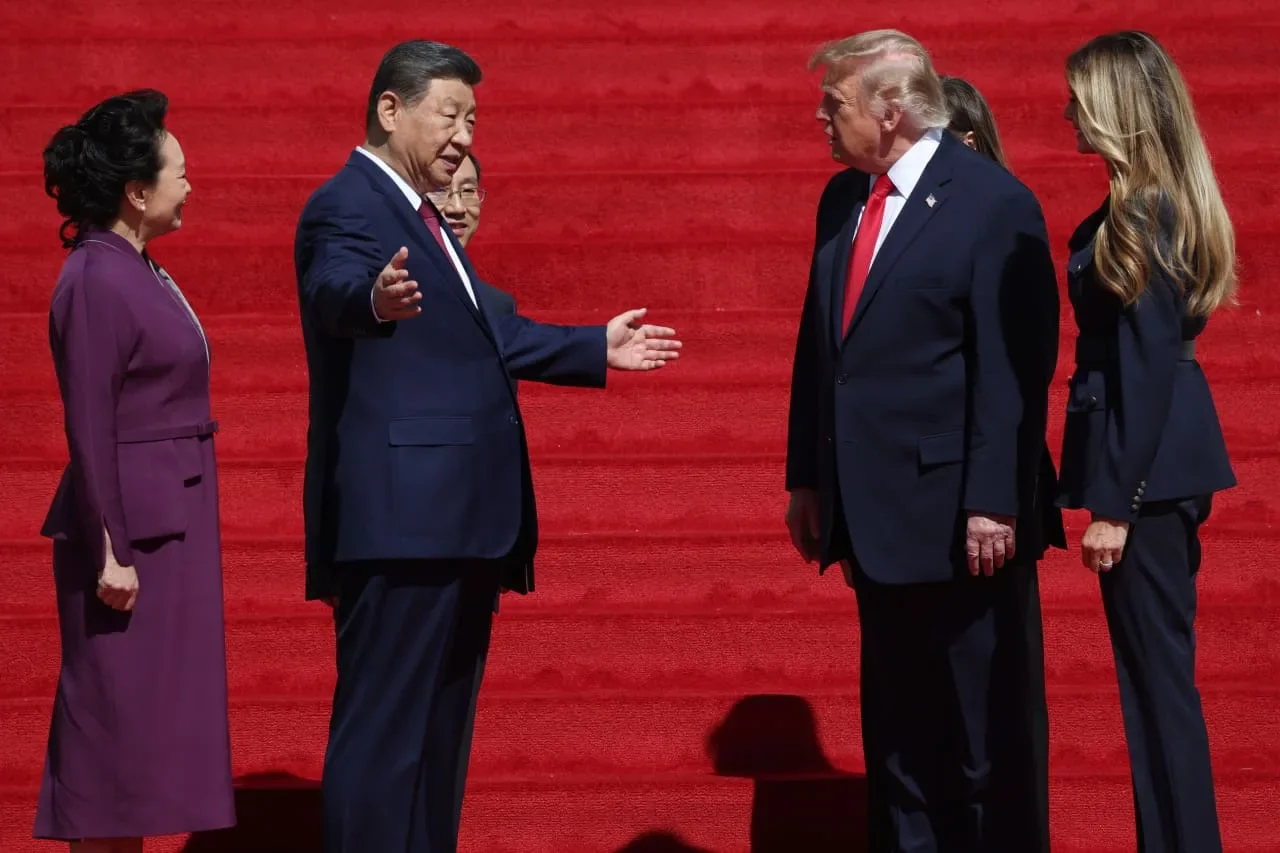
The United States and China have announced a tentative agreement to reduce tariffs on a significant volume of goods, amounting to approximately $60 billion. This development, while signaling a potential thaw in trade relations, still leaves critical areas of contention unresolved. Notably, disputes over access to and trade in rare earth minerals, which are vital for advanced technologies, remain a major sticking point. Similarly, discussions surrounding artificial intelligence (AI) and the ongoing geopolitical tensions surrounding Taiwan were not resolved in this latest round of talks.
This tariff reduction, focusing on items such as dolls and fireworks, could provide some relief to specific sectors of the global economy and potentially influence consumer prices. However, the failure to address broader strategic issues like AI and rare earths suggests that underlying trade frictions between the two economic superpowers persist. The market reaction is likely to be mixed, with some sectors benefiting from reduced tariffs while others remain cautious due to the unresolved strategic disagreements.
---
UK Terror Plot Suspects Released on Bail Amid Iran Link Questions
Five British nationals arrested near the RAF Fairford airbase in Gloucestershire have been released on bail, a development that has drawn scrutiny and raised further questions, particularly regarding potential Iranian involvement. The men, all in their 20s and from London, were detained on suspicion of explosives offenses and preparing an act of terrorism. While investigators are still working to determine the exact nature of the incident and the motives behind it, the decision to release them on bail without immediate charge has led to speculation.
The potential link to Iran has been a key line of inquiry for authorities, especially given broader geopolitical tensions. However, the release on bail suggests that the immediate threat posed by the individuals may be perceived as lower than initially feared, or that evidence linking them directly to a foreign state actor, such as Iran, is still being gathered and assessed. This development occurs at a time of heightened global security awareness, making any potential foreign-backed plot a matter of significant concern.
---
Yemen Conflict Intensifies: Over 800 Killed Amid Houthi-Saudi Renewed Fighting
The conflict in Yemen has seen a devastating resurgence, with the World Health Organization (WHO) reporting over 800 fatalities in a renewed wave of fighting between the Iran-backed Houthi militia and Saudi-backed government forces. This escalation exacerbates one of the world's most severe humanitarian crises, underscoring the persistent instability in the region and the devastating human cost of proxy conflicts.
The intensified fighting directly impacts the already fragile humanitarian situation, leading to increased displacement, food insecurity, and a strain on essential services. For the wider regional economy, particularly for nations involved or affected by the conflict, this renewed violence could lead to further disruptions in trade routes, increased defense spending, and a potential rise in oil prices if shipping lanes are threatened. The ongoing instability in Yemen remains a critical factor in the broader geopolitical landscape of the Middle East, with implications for regional powers and global energy markets.
---
Market Pulse: Toman Gains Amid Global Uncertainty, Gold and Bitcoin Show Mixed Signals
The Iranian Toman has seen a notable appreciation against the US Dollar, with the USD/IRR exchange rate moving from 235,800 to 244,800, marking a 3.8% increase. This strengthening of the national currency comes amidst a backdrop of global economic uncertainty and geopolitical tensions, often leading investors to seek safer assets. Gold prices also saw a modest rise, with 18k gold per gram increasing by 1.7% and the Emami coin by 2.7%, reflecting its traditional role as a hedge against inflation and instability.
Cryptocurrency markets present a more varied picture. Bitcoin (BTC) is trading around $83,939, and Ethereum (ETH) at $2,695.55. While specific 24-hour delta figures were not provided for BTC and ETH, the broader market sentiment suggests a cautious approach. The acceptance of tokenized funds by institutional players like Goldman Sachs and Bybit indicates growing integration of digital assets into traditional finance, yet overall market movements can be volatile, influenced by regulatory news and macroeconomic shifts. The USDT, pegged to the dollar, reflects the domestic Toman's performance, trading at 243,680 Toman.
Frequently Asked Questions
What is the impact of the US-China tariff deal on global markets?
What is the significance of the release of the UK terror plot suspects on bail?
How is the conflict in Yemen affecting the region?
What are the current market trends for the Iranian Toman, gold, and Bitcoin?
Rare Earth Elements: The Strategic Commodity Behind US‑China Trade Tensions
Rare earth elements (REEs) are a group of 17 metallic minerals that are essential for modern high‑technology products, from smartphones and electric‑vehicle batteries to advanced military systems. Despite the name, they are not actually scarce; they are relatively abundant in the Earth’s crust but are rarely found in concentrations that are economically viable to mine. The extraction and processing of REEs are chemically intensive and generate hazardous waste, which makes the supply chain highly concentrated in a few countries that have invested in the necessary infrastructure and environmental permits.
China currently controls about 80 % of global REE production and has leveraged this dominance as a geopolitical tool. In recent years, the United States has responded by imposing tariffs on Chinese REE imports and by launching initiatives to develop domestic and allied sources, such as the Mountain Pass mine in California and projects in Australia and Africa. These moves are part of a broader “critical minerals” strategy aimed at reducing reliance on any single supplier and safeguarding national security, especially for defense‑related applications like jet engines and missile guidance systems.
The US‑China tariff negotiations have therefore become a proxy battle over control of the REE supply chain. Higher tariffs raise the cost of imported REEs, prompting American manufacturers to seek alternative sources or to invest in recycling and substitution research. At the same time, China can use its export controls to pressure foreign firms that depend on its REEs, creating a classic “weaponized interdependence” scenario where economic leverage translates into strategic influence.
Understanding REEs is crucial for anyone following global trade, technology policy, or security issues. The stakes are high: a disruption in REE supply could slow the rollout of clean‑energy technologies, affect defense readiness, and reshape the balance of power in the tech‑driven economy. For deeper insight, see the references below.