Iran Urges Iraq to Lift Flight Ban; Egypt Warned Israel of Hamas Attack
ایران خواستار رفع ممنوعیت پروازی عراق شد؛ مصر به اسرائیل درباره حمله حماس هشدار داد
Iran is pressing Iraq to lift flight restrictions imposed due to U.S. sanctions, while fresh reports reveal Egypt had warned Israel of an impending major Hamas attack. Meanwhile, a double murder trial in Australia heard a harrowing triple-zero call, highlighting ongoing global tensions and legal dramas.
At time of publishing
USD
258,700
Toman
Gold 18K
25.71M
Toman / gram
Bitcoin
$86,015
US Dollar
Tether
258,619.286
Toman
Iran Urges Iraq to Lift Flight Ban Amid Sanctions Pressure
Iran has officially called on its neighbor, Iraq, to remove existing flight restrictions that have strained bilateral relations. These curbs were reportedly put in place as a consequence of U.S. sanctions, indicating a complex interplay between international financial measures and regional connectivity. The Iranian government's appeal suggests a desire to normalize travel and trade routes, which have likely been hampered by the sanctions regime affecting Iraqi airspace and aviation.
This move by Iran highlights the persistent challenges faced by countries navigating the U.S. sanctions landscape. For Iran, maintaining open channels of communication and transit with regional partners is crucial for economic stability and diplomatic influence. The appeal to Iraq underscores how sanctions can create ripple effects, impacting not only direct targets but also their neighbors and broader regional commerce. The outcome of this request will be closely watched as an indicator of Iraq's stance amidst U.S. pressure and its relationship with Tehran.
Egypt's Stark Warning to Israel on Impending Hamas Attack
In a significant revelation, it has been reported that Egypt, through its then-intelligence chief Abbas Kamel, issued a direct and urgent warning to Israel about a "major" Hamas attack. This warning reportedly took place on September 26, 2023, just as Israel was commemorating the 50th anniversary of the Yom Kippur War. The timing suggests a critical intelligence assessment by Egypt regarding escalating threats from Gaza, which Israel's leadership, specifically Prime Minister Netanyahu, was allegedly made aware of.
The significance of this disclosure lies in its potential to reshape the narrative surrounding the events leading up to recent conflicts. If confirmed, it implies that Israel may have had foreknowledge of a substantial Hamas offensive, raising profound questions about preparedness, intelligence failures, and the subsequent geopolitical responses. This revelation, reported by Vivian Salama of The Atlantic, could have substantial implications for ongoing diplomatic efforts and perceptions of regional security dynamics, particularly concerning the Gaza Strip.
Australian Double Murder Trial Hears Harrowing Triple-Zero Call
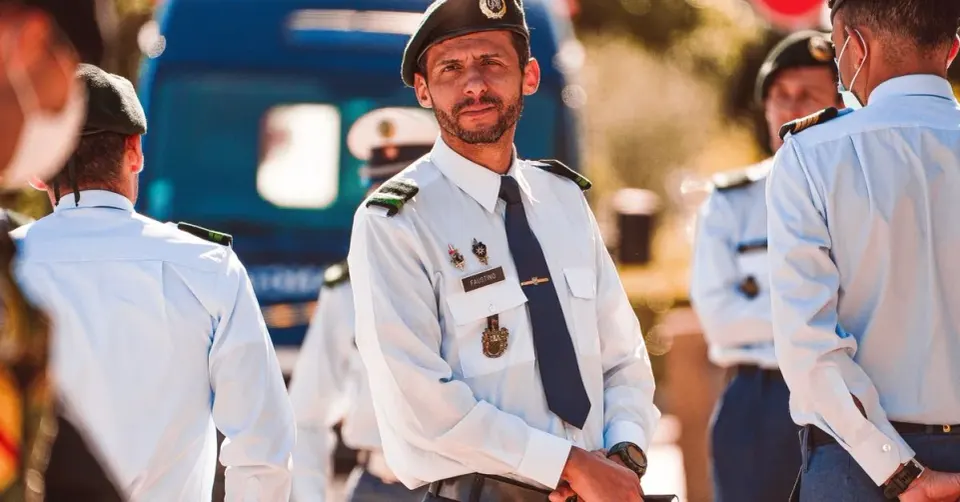
The trial of Beau Lamarre-Condon, a former Sydney police officer accused of the double murder of Luke Davies and Jesse Baird, has heard the distressing audio of a triple-zero emergency call made from Davies' phone on the morning the men were allegedly killed. The New South Wales Supreme Court was presented with the recording, a moment that visibly affected the victim's family, who were present in the courtroom. This evidence forms a critical part of the prosecution's case, aiming to establish the timeline and circumstances surrounding the alleged homicides.
This unfolding legal drama in Australia underscores the brutal realities of violent crime and the painstaking process of justice. The inclusion of such raw audio in court proceedings highlights the emotional toll on victims' families and the gravity with which such cases are treated. The trial's progression, marked by the presentation of this critical evidence, will continue to draw attention to the legal system's handling of high-profile cases and the pursuit of accountability for alleged perpetrators.

Fayed Abuse Accusers Show Hallmarks of Trafficking, MPs Told
An exclusive report indicates that nearly half of the women who have come forward with allegations of sexual abuse against Mohamed Al Fayed may be victims of human trafficking. Senior Metropolitan Police officers briefed the all-party parliamentary group (APPG) for survivors of Fayed and Harrods, revealing that a review earlier in 2026 identified 70 survivors whose accounts bore the tell-tale signs of trafficking. This suggests that the total number of victims involved in such exploitation could be significantly higher than initially reported.
This development adds a disturbing new layer to the ongoing investigations into Al Fayed's alleged abuses. Identifying potential trafficking victims within the broader scope of abuse allegations complicates the legal and investigative processes, requiring specialized support and resources for those affected. The findings presented to MPs underscore the complex nature of such crimes and the importance of recognizing the interconnectedness of sexual abuse and human trafficking, potentially leading to broader charges and a more comprehensive understanding of the alleged perpetrators' actions.

Frequently Asked Questions
What is the current status of USD/IRR exchange rate?
What was the nature of Egypt's warning to Israel?
What is the significance of the Fayed abuse allegations report?
Why is Iran urging Iraq to lift flight restrictions?
Economic Sanctions: How Countries Use Trade and Travel Restrictions as a Foreign‑Policy Tool
Economic sanctions are coercive measures that a state or an international organization imposes on another country, entity, or individual to change behavior without resorting to military force. They can target trade, finance, investment, or even the right to use airspace and airports, as seen in the recent flight‑ban dispute between Iran and Iraq. By restricting access to markets, cutting off foreign currency flows, or denying the ability to operate airlines, the sanctioning power hopes to create economic pain that translates into political pressure.
Sanctions come in several forms: comprehensive embargoes that block virtually all trade, targeted or “smart” sanctions that freeze assets and prohibit specific transactions, and secondary sanctions that punish third‑party firms for doing business with the primary target. The United Nations, the United States, the European Union, and other actors maintain their own legal regimes, each with its own enforcement mechanisms and due‑process safeguards. While the UN Security Council can authorize sanctions under Chapter VII of the UN Charter, unilateral sanctions—like those imposed by the U.S. Treasury’s Office of Foreign Assets Control (OFAC)—operate under domestic law but often have global reach because of the dominance of the U.S. dollar in international finance.
The effectiveness of sanctions is debated. Some studies suggest they can compel policy changes when the target is economically vulnerable and when there is broad multilateral support. Others argue that sanctions can entrench authoritarian regimes, harm civilian populations, and push sanctioned states toward alternative trading partners, as Iran has done by deepening ties with China and Russia. In the aviation sector, a flight ban can cripple tourism, business travel, and cargo shipments, but it also risks retaliation and escalation, potentially leading to a broader diplomatic crisis.
Legal challenges also shape the landscape. Targets can contest sanctions in domestic courts—e.g., the European Court of Justice or U.S. federal courts—arguing violations of due process or trade agreements. International law recognizes the principle of state sovereignty over its airspace, but also permits restrictions for security or public policy reasons, provided they are not discriminatory or disproportionate. Understanding the balance between legitimate security concerns and the rights of airlines is essential for policymakers navigating disputes like the Iran‑Iraq flight ban.
For anyone following Middle‑East geopolitics, grasping how sanctions work clarifies why countries resort to measures such as flight bans, how those measures ripple through economies, and what avenues exist for resolution or mitigation. It also highlights the broader debate about the moral and strategic costs of using economic coercion as a tool of statecraft.
Topics
Related Articles