Hero Pilot Fends Off Mid-Air Attack as US Surges Third Aircraft Carrier Toward Iran
مهار حمله تروریستی در آسمان دبی؛ اعزام سومین ناو هواپیمابر آمریکا به سمت ایران
A terrifying mid-air assault on an Israel-bound flight was thwarted by a heroic Indian pilot, while the US military deploys a third aircraft carrier to the Middle East. Meanwhile, market stability in Tehran masks growing geopolitical anxiety as global energy prices face new threats from Washington.
At time of publishing
USD
258,700
Toman
Gold 18K
25.74M
Toman / gram
Bitcoin
$85,936
US Dollar
Tether
258,629.116
Toman
The Hero of Flight FZ: Mid-Air Terror Averted
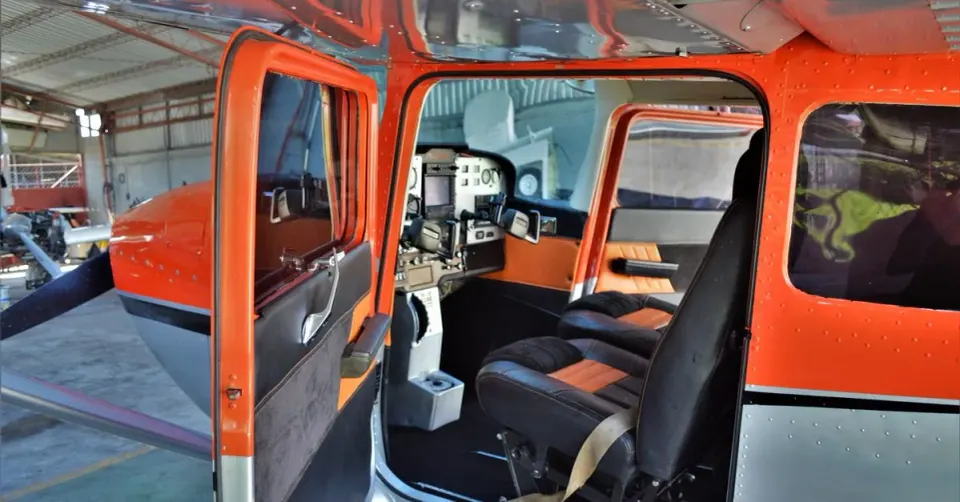
In a harrowing incident that has sent shockwaves through the aviation industry, Captain Smit Machchhar, an Indian pilot operating an Israel-bound flight from Dubai, has been hailed as a hero after fending off a violent attacker. The assailant reportedly attempted to breach the cockpit while the aircraft was in mid-flight, leading to a desperate struggle. Despite being stabbed during the confrontation, Machchhar managed to maintain control of the vessel and ensured the safety of the passengers. This incident underscores the extreme security risks currently associated with regional flight paths, particularly those connecting the UAE and Israel during this period of heightened geopolitical friction.
The attack is not being treated as an isolated criminal act but rather as a symptom of the broader instability in the Middle East. Security experts suggest that the targeting of an Israel-bound flight highlights the porous nature of regional security despite high-tech surveillance. For travelers and airlines, this event signals a likely increase in airfares due to rising insurance premiums and the necessity for even more stringent pre-flight screenings. The fact that the pilot had to physically defend the cockpit door raises serious questions about the adequacy of current onboard security protocols in a theater of active conflict.
---
US Military Surge: Three Carriers and 50,000 Troops
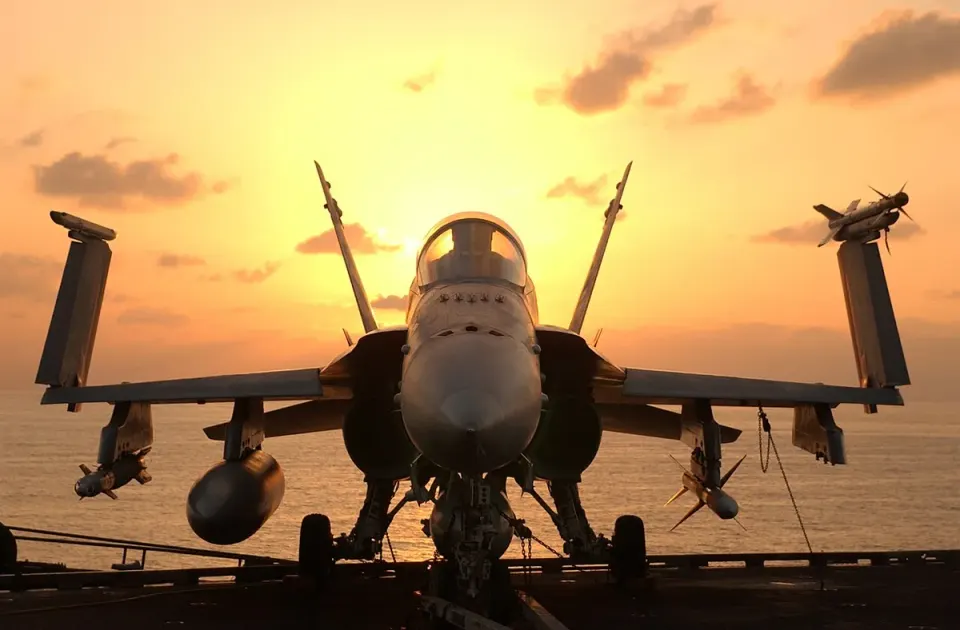
The geopolitical temperature has reached a boiling point as US officials confirmed to Al Jazeera that a third aircraft carrier strike group is being diverted toward the Middle East. This massive deployment includes not just the carriers, but also F-35 stealth fighters, Marine expeditionary units, and a total of 50,000 personnel. The stated goal is to exert "maximum pressure" on Tehran, according to Washington sources. This move represents one of the largest American military buildups in the region in recent years, aimed at deterring any potential escalation from Iranian-backed forces following recent strikes on regional infrastructure.
For Iran, this deployment is a clear signal that the window for diplomatic maneuvering is closing. While the Iranian government has historically used such escalations to rally domestic support against "external threats," the sheer scale of this force poses a structural challenge to the regime's regional strategy. The presence of three carrier groups significantly limits the IRGC's ability to influence maritime corridors like the Strait of Hormuz without risking a direct and devastating kinetic response. This military posturing is already being felt in the markets, where the risk premium on oil remains high, even as Brent crude holds steady around $102.24 per barrel.
---
Market Stability Amidst Trump’s Diesel Export Threat
On the economic front, the Iranian Toman has shown surprising resilience despite the surrounding chaos. In Tehran today, Friday, October 2, 2026, the US Dollar sell rate held firm at 258,700 Toman, showing 0.0% change over the last 24 hours. Gold 18k, however, saw a marginal uptick of 0.1%, rising to 25,744,494 Toman per gram. This stability suggests that the Central Bank of Iran may be intervene heavily to prevent a currency collapse during this period of high military tension. However, the underlying pressure is building, as evidenced by the steady climb of Bitcoin toward $86,000, which often serves as a hedge for local investors fearing sudden devaluations.
Adding to the global complexity, Donald Trump has launched a campaign blitz ahead of the US midterms, threatening to ban diesel exports to lower domestic prices. This policy, if enacted, would cause a tectonic shift in global energy logistics. As the US pressures Europe to release its own diesel reserves, the resulting supply chain disruptions could indirectly benefit or harm Iranian energy interests. While a global fuel shortage might drive up the prices of Iran's illicit oil exports, it also increases the cost of imported goods and machinery, further squeezing the Iranian middle class who are already struggling with record-high inflation and limited purchasing power.
---
Domestic Security and International Arrests
The tension has also spilled over into international law enforcement, with the arrest of a 25-year-old UK-Iranian dual national in London. The arrest is linked to a security incident at RAF Fairford, a key airbase used by US and UK forces. This marks the sixth such arrest, suggesting a coordinated effort by Western intelligence agencies to crack down on potential Iranian-linked operatives within their borders. These developments often lead to retaliatory measures by the judiciary in Tehran, further complicating the lives of dual nationals and straining the already frayed diplomatic ties between Iran and Europe.
What this means for the average Iranian is a further closing of doors to the West. As security crackdowns intensify, visa processes become more difficult and the "security-first" mindset of the Iranian government leads to increased domestic surveillance and internet censorship. The intersection of military threats, economic sanctions, and international arrests creates a claustrophobic environment for both the private sector and civil society. As the US midterms approach, the volatility is only expected to increase, leaving the Iranian economy in a state of suspended animation, waiting for the next major geopolitical trigger.
Frequently Asked Questions
What happened on the flight from Dubai to Israel?
Why is the US sending a third aircraft carrier to the Middle East?
How has the Iranian Toman responded to the military buildup?
What is Donald Trump's diesel export threat?
Understanding Power Projection: The Strategic Role of Aircraft Carriers
In international relations, the concept of Power Projection refers to a nation's capacity to deploy and sustain military force far from its national territory. It's a critical element of foreign policy, allowing states to influence events in distant regions without necessarily engaging in direct conflict. This capability is not just about raw military strength, but also about the logistical and strategic infrastructure required to maintain a sustained presence abroad, signaling intent and shaping geopolitical landscapes.
Among the most potent symbols of power projection are aircraft carriers. These massive vessels serve as mobile airbases, command centers, and logistical hubs, capable of deploying a wide array of aircraft—from fighter jets to surveillance planes—across vast oceans. When a nation "surges" an aircraft carrier toward a region of tension, it's not merely moving a ship; it's deploying a sovereign piece of its territory, complete with significant offensive and defensive capabilities, into a contested area.
The deployment of an aircraft carrier group serves multiple strategic purposes. Primarily, it acts as a powerful deterrent, signaling a nation's resolve and its ability to respond rapidly to threats, thereby discouraging potential adversaries. It also reassures allies in the region, demonstrating commitment to their security and stability. Furthermore, such deployments are a form of naval diplomacy, sending a clear political message to all regional actors about a nation's interests and its willingness to protect them, often without a single shot being fired.
This strategic maneuver underscores how military assets can be used as tools of diplomacy and influence, shaping perceptions and altering calculations among both allies and adversaries. The presence of such a formidable force can significantly impact regional dynamics, economic stability, and the trajectory of international crises, making power projection a central concept for understanding global security and foreign policy.
Topics
Related Articles