Iranian Women Secure Historic Gold Surge at Asian Games as Regional Security and Market Volatility Intensify
رکوردشکنی تاریخی زنان ایران در بازیهای آسیایی؛ همزمان با جهش قیمتها و زنگ خطر امنیتی در منطقه
Iranian female athletes have achieved a staggering 60% increase in gold medals at the Aichi-Nagoya Asian Games, providing a rare moment of national pride. However, this success is shadowed by a dramatic security incident involving a Flydubai pilot and a sharp 2.1% spike in the USD/IRR exchange rate.
At time of publishing
USD
267,100
Toman
Gold 18K
26.07M
Toman / gram
Bitcoin
$84,573
US Dollar
Tether
264,325
Toman
Iranian Women Smash Records at Aichi-Nagoya 2026
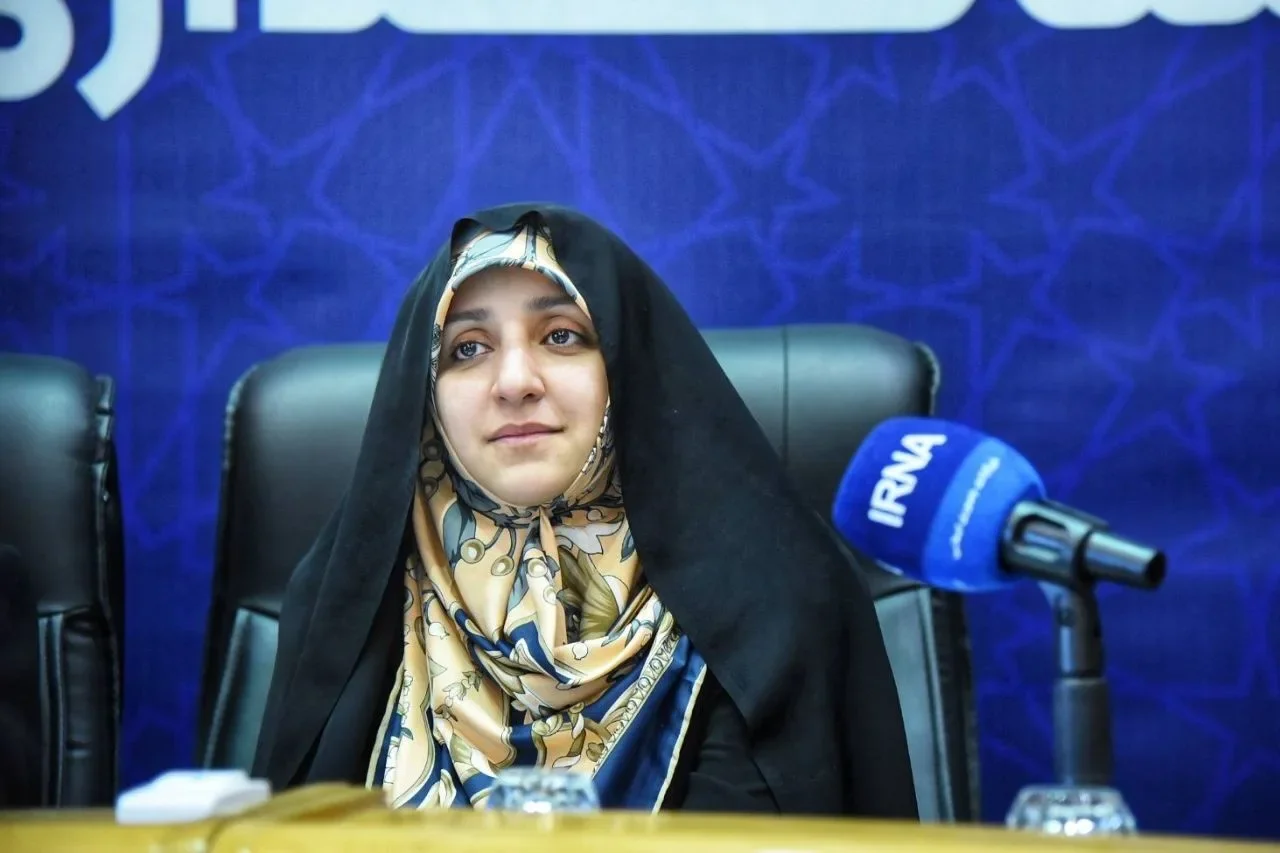
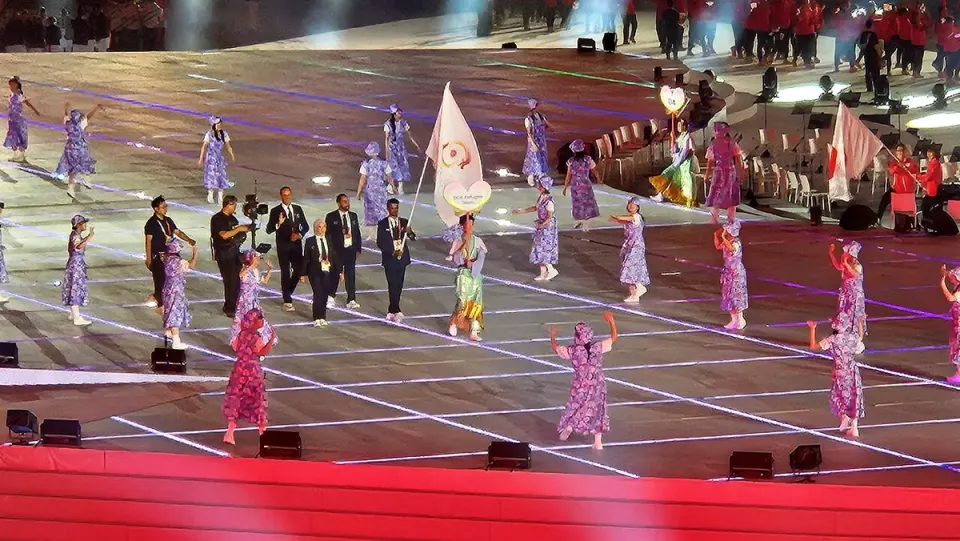
The Aichi-Nagoya 2026 Asian Games have witnessed a transformative performance by Iranian female athletes, who have managed to increase the country’s gold medal tally by a remarkable 60 percent compared to previous cycles. Zahra Behrouz-Azar, the Vice President for Women and Family Affairs, reported these figures as a testament to the growing competitive edge of Iranian women in the international arena. This surge in performance has been particularly evident in combat sports and team events, where Iranian women have consistently outperformed expectations, securing their place among the elite of Asian athletics.
While the government is quick to claim credit for these successes, independent analysts suggest that these victories are largely the result of individual resilience and private sector support amidst a challenging domestic environment. The achievement comes at a time when the Iranian public is desperate for positive news, as economic pressures continue to mount. The success of the women's padel team, which recently secured a bronze medal in Nagoya, further underscores the diversification of Iran's athletic prowess beyond traditional strengths like wrestling or weightlifting.
Regional Aviation Security Shaken by Flydubai Incident
A chilling security breach has sent shockwaves through the regional aviation industry after a Flydubai co-pilot allegedly attacked the captain with an axe mid-flight. According to UAE officials, the aircraft plunged more than 17,000 feet within minutes as the struggle unfolded in the cockpit, approximately two and a half hours into its journey. Passengers and crew eventually managed to overpower the attacker, preventing a catastrophic crash. The incident has raised urgent questions about pilot mental health screening and the efficacy of cockpit security protocols in one of the world's busiest transit hubs.
For Iranian travelers and the broader regional economy, this incident adds a layer of anxiety to an already tense geopolitical climate. Flydubai is a critical carrier for Iranians connecting to global destinations via Dubai, and any perceived lapse in safety could impact transit volumes and insurance premiums for regional flights. While the UAE government has moved quickly to contain the narrative, the international aviation community is calling for a transparent investigation into how a weapon was allowed into the flight deck and what triggered such a violent escalation during a routine flight.

Market Volatility: USD and Gold Prices Surge
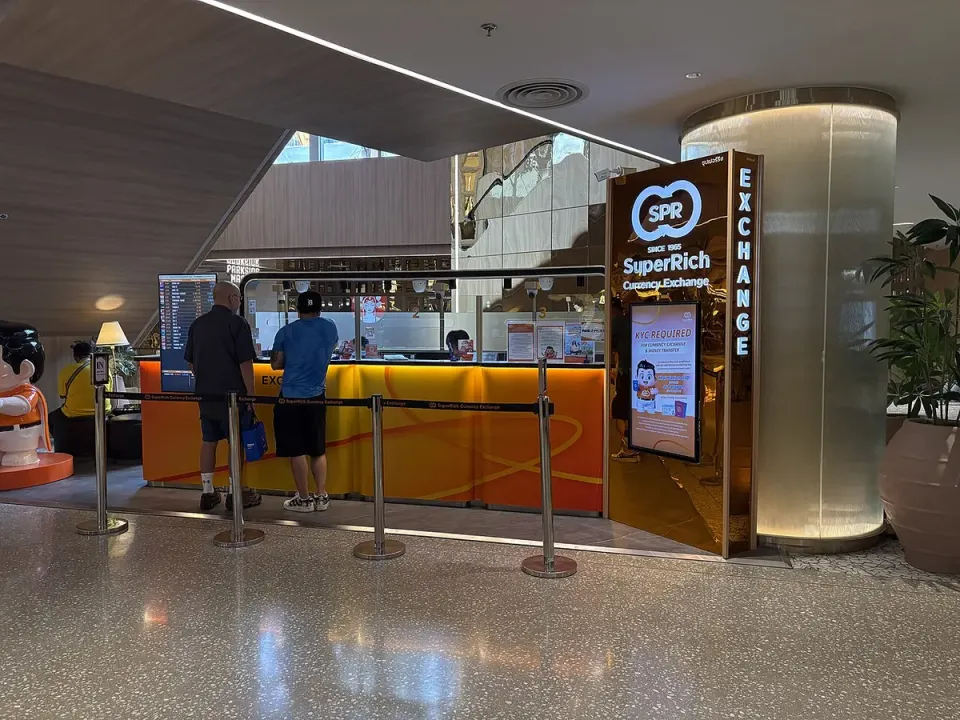
The Iranian currency market is experiencing renewed pressure this Saturday, October 3, 2026, as the US Dollar surged from 261,700 to 267,100 Toman, marking a 2.1% increase in just 24 hours. This sharp move reflects growing regional instability and a lack of confidence in local fiscal measures. Similarly, the gold market has reacted with even greater intensity; the Emami gold coin rose from 261,000,000 to 267,000,000 Toman, a 2.3% jump that highlights the rush toward safe-haven assets. With the global gold ounce trading at a staggering $4,141.80, the domestic price of 18k gold has hit 26,074,611 Toman per gram.
These price movements are not happening in a vacuum. The combination of regional security threats, such as the Flydubai incident and ongoing tensions in the Horn of Africa involving the UAE and Saudi Arabia, has created a perfect storm for speculators. For the average Iranian household, this volatility translates directly into higher costs for imported goods and a further erosion of purchasing power. As Bitcoin continues to trade at high levels near $84,573, many local investors are also looking toward digital assets as a hedge against the Toman's decline, though the volatility in the crypto market remains a significant risk factor.
Institutional Integrity and Cultural Heritage
Beyond the headlines of sports and finance, the region is grappling with issues of institutional integrity. In Turkey, a court has detained the chief of football refereeing pending a corruption trial involving allegations of match manipulation. This development mirrors a broader trend of public distrust in official institutions across the Middle East. Meanwhile, in Iran, the Zoroastrian community recently gathered in Yazd and other provinces to celebrate Mehregan, an ancient festival of harvest and friendship. These cultural celebrations provide a stark contrast to the corruption scandals and economic woes that dominate the daily news cycle, serving as a reminder of the region's deep historical roots that persist despite modern political and economic turmoil.
Frequently Asked Questions
چرا قیمت دلار و سکه امروز ۱۱ مهر ۱۴۰۵ جهش کرد؟
ماجرای حمله با تبر در پرواز فلایدبی چه بود؟
عملکرد زنان ایران در بازیهای آسیایی ۲۰۲۶ چگونه بوده است؟
Understanding Currency Depreciation and the Role of Gold as a Safe Haven
When headlines mention currency exchange rates, local coin prices, and gold values amidst regional volatility, they often point to a critical economic concept: currency depreciation and the public's response to it. Currency depreciation refers to a fall in the value of a country's currency relative to other currencies. This can be triggered by various factors, including high inflation, large current account deficits, political instability, or loose monetary policies that increase the money supply too rapidly. When a currency loses value, it directly impacts the economic well-being of its citizens.
The consequences of currency depreciation are far-reaching. For individuals, it means a significant reduction in purchasing power, especially for imported goods, which become more expensive. This can fuel domestic inflation as the cost of essential commodities rises. While a depreciating currency can make a country's exports cheaper and more competitive on the global market, this benefit is often overshadowed by the increased cost of living and uncertainty for the average person, particularly in economies heavily reliant on imports.
In such environments, people often turn to safe haven assets. These are investments that are expected to retain or even increase in value during periods of market turbulence, economic uncertainty, or geopolitical instability. Gold has historically been the quintessential safe haven asset. Its appeal stems from its limited supply, universal acceptance, and its long-standing role as a store of value across civilizations. Unlike fiat currencies, gold cannot be printed or devalued by government policy, making it a reliable hedge against inflation and currency erosion.
When a national currency like the Iranian Rial (IRR) experiences significant depreciation against major international currencies like the U.S. Dollar (USD), or when local inflation erodes savings, citizens frequently convert their wealth into more stable forms. This is where gold, often in the form of physical bullion or local gold coins (like the Emami coin in Iran), becomes a crucial tool for wealth preservation. It serves as a tangible asset that can protect savings from the rapid loss of value experienced by the local currency, offering a sense of security amidst economic storms.
Understanding currency depreciation and the allure of safe haven assets like gold is vital for anyone seeking to comprehend global economic dynamics and individual financial strategies in volatile regions. It highlights how economic policy, geopolitical events, and market sentiment intertwine to influence the daily lives and long-term financial stability of populations worldwide.