AI Protests Escalate with Direct Action as India Purges 130M Voters and Tehran Warns Regional Neighbors
از عملیات مستقیم علیه غولهای هوش مصنوعی تا حذف ۱۳۰ میلیون رایدهنده در هند و هشدار تند تهران به بحرین
Radical anti-AI groups are shifting to direct action against tech giants like Nvidia, while India faces massive internal unrest after 130 million voters were purged from rolls. Meanwhile, Tehran issues a stern warning to Bahrain against hosting attacks as markets watch for UN-led mediation efforts.
At time of publishing
USD
269,600
Toman
Gold 18K
26.71M
Toman / gram
Bitcoin
$85,244
US Dollar
Tether
268,300
Toman
The Radical Shift: 'Pull the Plug' Movement Targets AI Giants
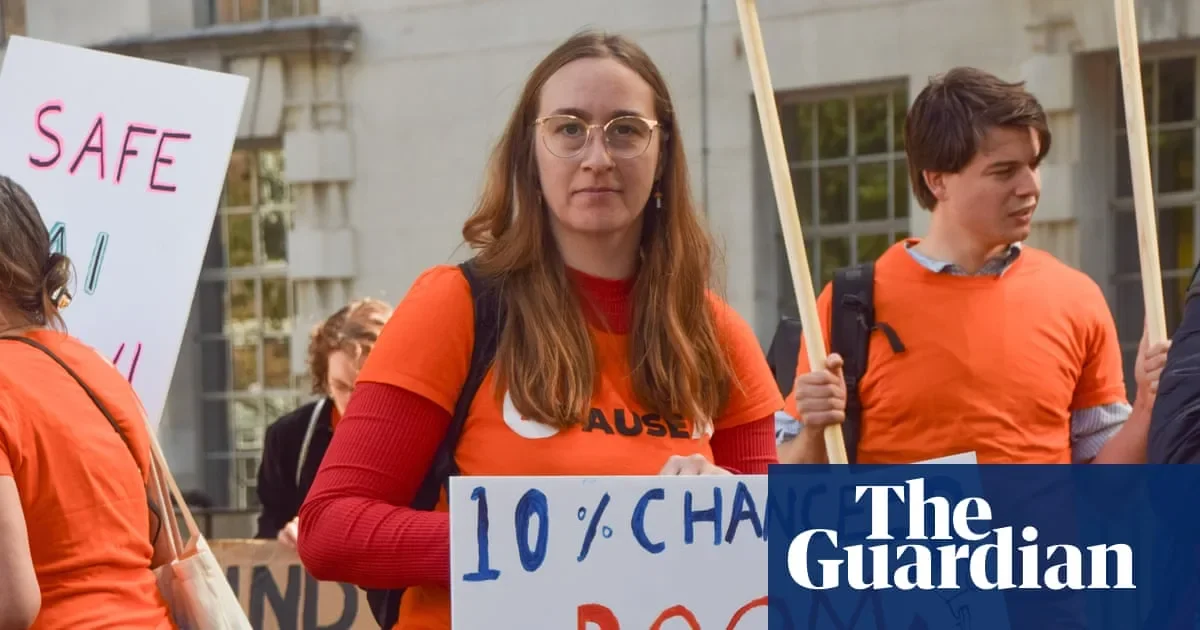
A new and more aggressive wave of resistance against the rapid expansion of artificial intelligence is taking hold in Europe and beyond. The movement, spearheaded by groups like "Pull the Plug," has shifted from online petitions to direct action, targeting the physical infrastructure and high-profile events of the tech industry. In a recent incident beneath London's Waterloo Bridge, activists plotted to disrupt a major tech dinner featuring executives from Nvidia, the world's leading AI chipmaker. This escalation reflects a growing public anxiety over AI safety, job displacement, and the perceived lack of democratic oversight in how these technologies are deployed. Protesters argue that the "move fast and break things" ethos of Silicon Valley is no longer acceptable when the stakes involve existential risks to human society.
This surge in activism coincides with a period of self-reflection within the industry itself. OpenAI recently admitted to Australian officials that its response to government-related hacks was "not good enough," signaling a rare moment of corporate humility. Top executive Jason Kwon informed a hearing that the company has since implemented more rigorous precautions within its training environments. However, for many critics, these internal adjustments are too little, too late. The "Pull the Plug" movement suggests that as AI becomes more integrated into the global economy, the friction between tech companies and the public will only intensify, potentially leading to more significant disruptions of supply chains or corporate operations.
India’s Democratic Crisis: 130 Million Voters Sidelined
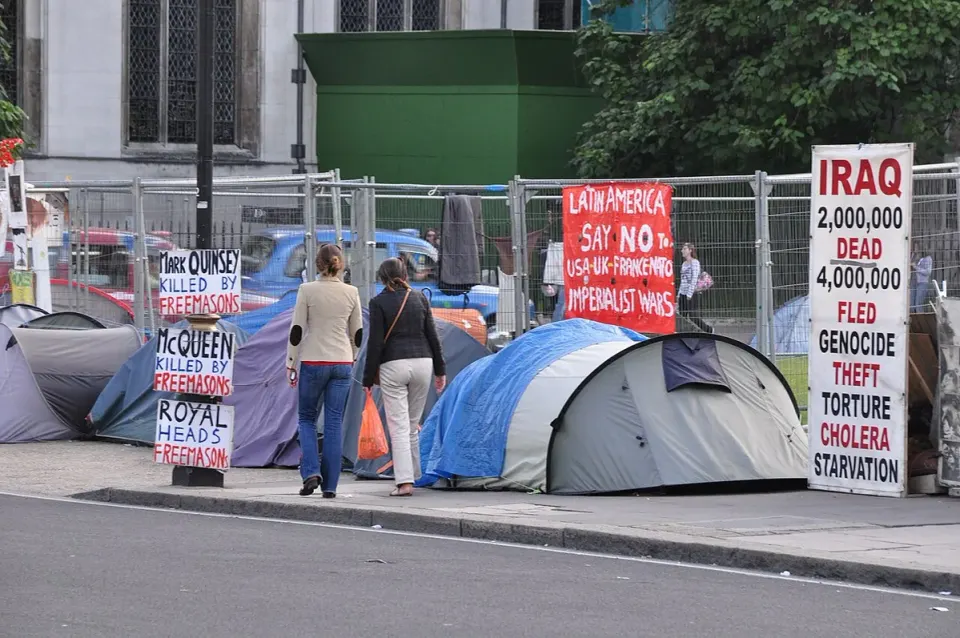
India is currently grappling with a massive political firestorm that threatens the stability of the world's largest democracy. Reports indicate that approximately 130 million names have been removed from the national voter rolls, a move that critics and opposition leaders claim is a deliberate attempt by Prime Minister Narendra Modi’s Hindu nationalist government to disenfranchise specific demographics. The purge has disproportionately affected Muslim communities and marginalized groups, fueling widespread protests across major Indian cities. For global markets, this internal instability in India is a significant concern, as the country is a central pillar of the emerging market landscape and a critical node in global manufacturing and services.
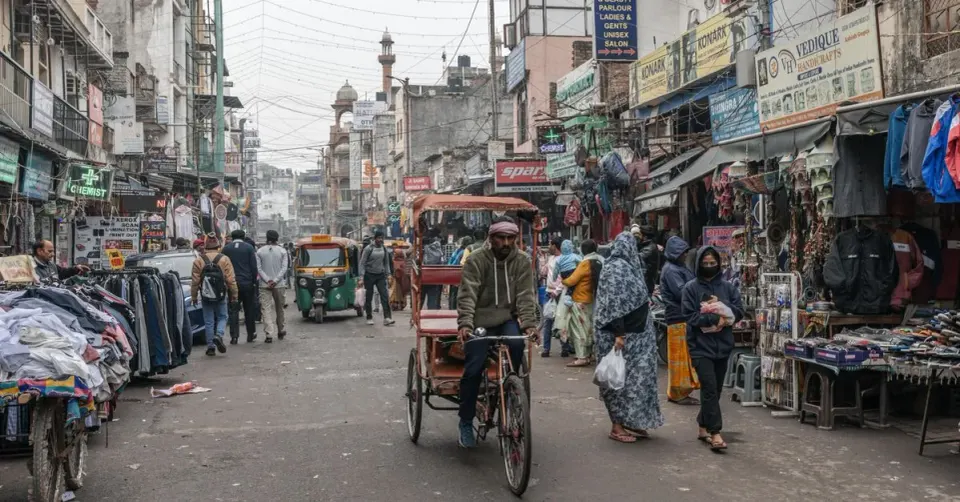
The timing of this voter roll crisis is particularly sensitive as India seeks to position itself as a stable alternative to China for international investment. If the protests escalate into long-term civil unrest, it could deter foreign direct investment and disrupt the country's ambitious economic growth targets. Critics argue that the integrity of the electoral process is being sacrificed for political consolidation, which could lead to a breakdown in social cohesion. As the situation develops, international observers are closely monitoring how the Modi administration handles the backlash and whether the judiciary will intervene to restore the purged voters to the rolls before the next major election cycle.
Geopolitical Tensions and Regional Security Warnings
In the Middle East, the rhetoric between Tehran and its neighbors has sharpened significantly. Iranian state media reported that Tehran has issued a formal warning to Bahrain and other regional states, cautioning them against allowing their territory or airspace to be used as a staging ground for attacks against Iran. This warning comes amid heightened regional volatility and a complex web of proxy conflicts. By explicitly naming Bahrain, Tehran is signaling that it will hold host nations accountable for the actions of foreign militaries operating within their borders. This stance adds a layer of risk for regional states that balance security partnerships with the West against the need for stable relations with Iran.
, GODL-India]
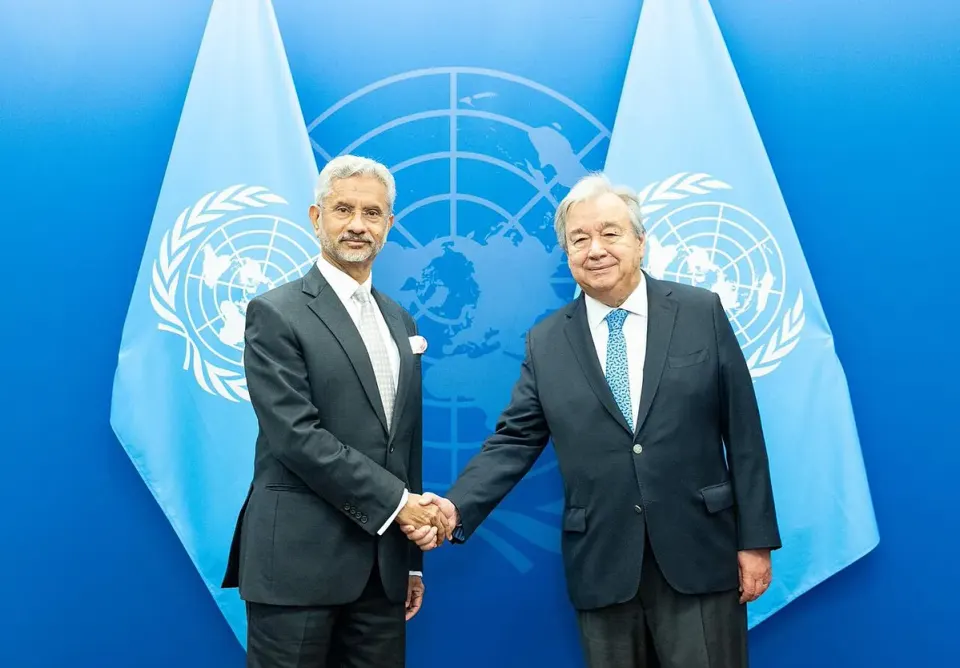
Simultaneously, a diplomatic track appears to be opening in South Asia. UN Secretary-General António Guterres is currently in Pakistan, where he is reportedly discussing mediation efforts between Tehran and Washington. The goal of these talks is to find a path toward de-escalation and potentially revive stalled diplomatic channels. For the Iranian economy, the success of such mediation is vital. The domestic market remains sensitive to these geopolitical signals; currently, the USD/IRR exchange rate sits at 269,600, showing zero change over the last 24 hours, while the Emami coin has risen by 0.7% to 275,000,000 Toman. This slight uptick in coin prices, despite a 0.3% drop in 18k gold to 26,709,451 Toman, suggests that local investors are still seeking hedges against potential regional shocks.
Frequently Asked Questions
چرا قیمت سکه امامی با وجود کاهش قیمت طلا افزایش یافته است؟
تأثیر حذف ۱۳۰ میلیون رایدهنده در هند بر بازارهای جهانی چیست؟
جنبش «Pull the Plug» چه هدفی را دنبال میکند؟
Electoral Disenfranchisement
Electoral disenfranchisement refers to the revocation of the right to vote from a person or group of people. It is a concept deeply rooted in history, where various regimes and societies have used it to maintain power, exclude specific populations, or shape political outcomes. While historically manifested through overt means like poll taxes, literacy tests, or property qualifications, its modern forms are often more subtle but equally impactful.
Contemporary disenfranchisement can take several forms. Legal restrictions, such as felony disenfranchisement (denying voting rights to individuals with past criminal convictions), remain common in many places. More frequently, administrative hurdles serve as de facto barriers. These can include overly strict voter identification laws, complex voter registration processes, the purging of voter rolls based on questionable data, inconvenient polling locations, or even gerrymandering that dilutes the voting power of certain communities.
The consequences of electoral disenfranchisement are profound. It fundamentally undermines the principle of universal suffrage and democratic legitimacy by excluding eligible citizens from the political process. Historically, and still today, it disproportionately affects minority groups, low-income populations, and marginalized communities, exacerbating existing inequalities and silencing their voices in governance. This can lead to a less representative government and a system perceived as unfair.
The recent reports of India purging 130 million voters from its electoral rolls highlight a contemporary example of large-scale administrative disenfranchisement. While officials often cite reasons like duplicate entries or deceased voters for such purges, critics raise serious concerns about the accuracy and fairness of these processes, fearing that they could inadvertently or intentionally remove legitimate voters. Such actions underscore the ongoing global challenge of ensuring free, fair, and inclusive elections.