Trump's California Threat Sparks Fury; US Bombers Withdraw Amid Iran Tensions
اظهارات ترامپ درباره تهدید کالیفرنیا خشم برانگیخت؛ بمبافکنهای آمریکا در بحبوحه تنش با ایران عقبنشینی کردند
Former President Trump's inflammatory remarks about Iran targeting California have drawn fierce condemnation, coinciding with the swift withdrawal of US bombers from a UK base due to alleged Iran-based threats. Meanwhile, US sanctions on Iranian airlines show loopholes, while Iran reviews ties with Azerbaijan and Israel's ambassador seeks to mend relations with Australia.
At time of publishing
USD
269,600
Toman
Gold 18K
26.82M
Toman / gram
Bitcoin
$85,293
US Dollar
Tether
268,123
Toman
Trump's California Remarks Ignite Fury Amid Heightened Iran Tensions
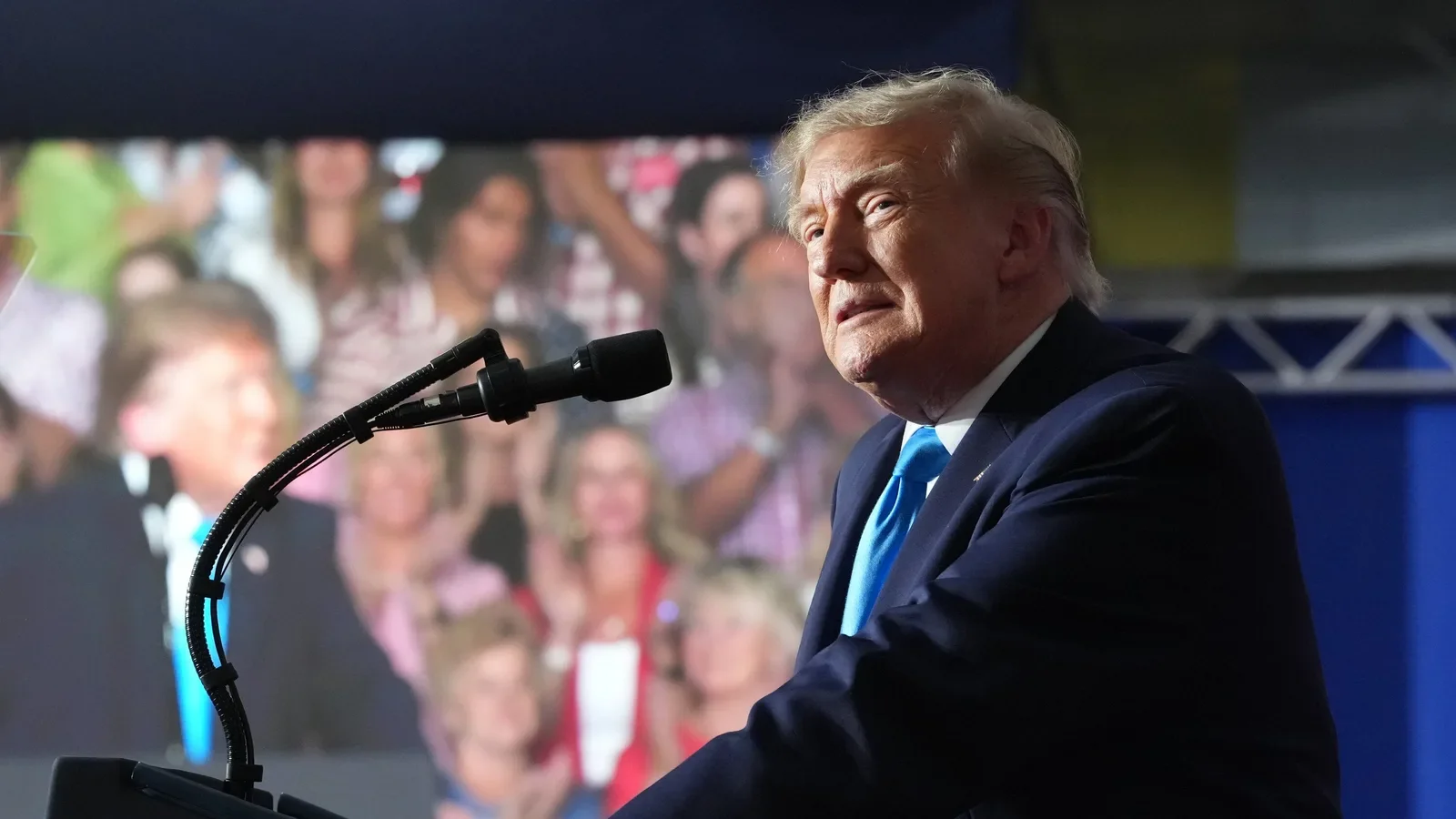
Former President Donald Trump has once again stirred controversy with remarks suggesting Iran could "take out" Los Angeles or San Diego, igniting a furious response from California Governor Gavin Newsom. Speaking at a political rally, Trump reportedly framed the ongoing tensions with Iran as necessary to "keep the world safe," a statement that immediately drew sharp criticism for its inflammatory nature and potential to escalate anxieties among American citizens, particularly those residing on the West Coast. Governor Newsom swiftly condemned the comments, labeling the former president's rhetoric as "dangerous and deranged," underscoring the deep political division and heightened sensitivity surrounding national security discussions, especially concerning Iran, as such statements can have real-world implications for public perception and policy.
These comments are significant not only for their political impact within the United States but also for their broader implications in the already fraught geopolitical landscape involving Iran. Such high-profile, aggressive rhetoric from a prominent American political figure can be perceived as a direct threat, contributing to an environment of mistrust and potential miscalculation on the global stage. For Iranian readers, these statements serve as a stark reminder of the persistent and often hostile narrative emanating from certain US political circles, which can directly influence public sentiment, economic confidence, and expectations surrounding currency stability, especially given the historical volatility linked to US-Iran relations. The continued emphasis on conflict and threat, rather than diplomacy, signals a prolonged period of uncertainty that impacts daily life and future outlook.

US Rushes Bombers from UK Base Citing Iran-Based Threats
In a swift and unexpected move, the United States has rapidly withdrawn its B-1 bombers from a UK air base, citing credible threats of an Iran-based plot against the installation. This urgent redeployment, which occurred with unusual speed, follows intelligence assessments indicating an immediate and tangible danger to the US assets stationed at the facility. While the exact nature of the alleged plot remains undisclosed by US officials, the decision to remove strategic bombers underscores a serious escalation in the perceived threat level from Iran or its proxies, prompting a proactive military response to safeguard personnel and equipment and mitigate potential risks to allied nations.
This development marks a significant shift from previous warnings and intelligence gathering to concrete operational action, signaling that the US is taking these Iran-linked threats with extreme gravity. The withdrawal of such powerful long-range bombers from a key European outpost suggests a re-evaluation of force posture in response to evolving regional dynamics and the perceived reach of Iranian influence. For the international community, and particularly for markets, this incident highlights the ever-present risk of regional conflicts spilling over into broader global instability, potentially impacting shipping lanes, energy prices, and overall risk appetite. For Iranians, it reinforces the narrative of an active, persistent confrontation with the US, with direct implications for regional security and the potential for further economic pressure.
Sanctions vs. Reality: Iran's Airlines Continue to Fly Despite US Efforts
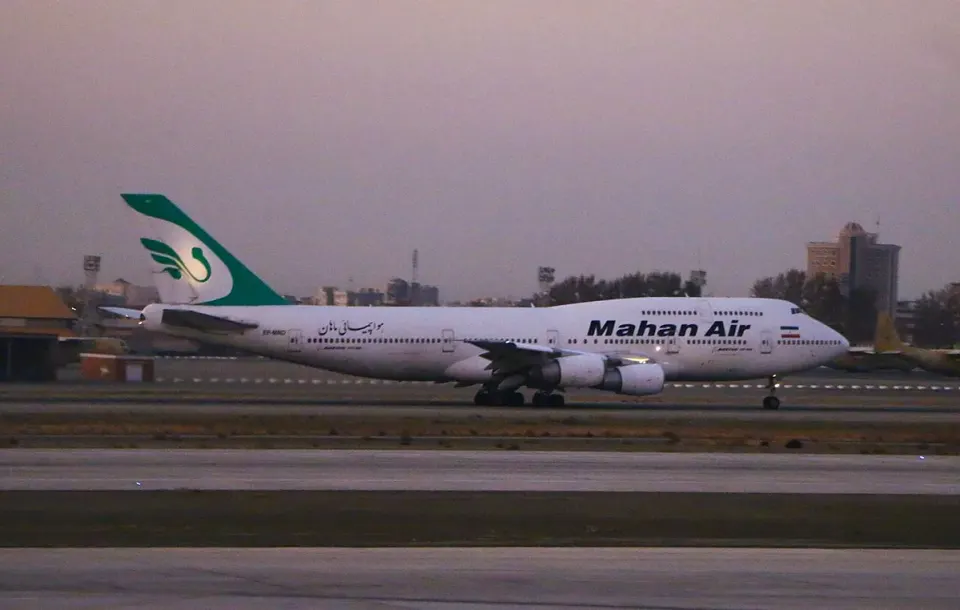
The Trump administration's aggressive campaign to "shut down" Iran's airlines through sanctions faces a complex reality, as at least one Iranian jumbo jet continues to operate flights from Tehran to Southeast Asia. Despite official statements claiming a comprehensive shutdown of the country's aviation sector, this persistent operation highlights the intricate web of workarounds, third-party arrangements, or potential loopholes that allow certain Iranian entities to circumvent stringent US economic measures. The continued flights suggest that either the sanctions are not as watertight as intended, or that Iran has developed sophisticated methods to maintain critical international connections for both passenger and cargo transport, demonstrating a resilience in the face of external pressure.
This ongoing situation underscores the enduring challenge of enforcing unilateral sanctions against determined adversaries. While sanctions aim to exert maximum economic pressure, their effectiveness can be undermined by complex international supply chains, front companies, or the willingness of other nations to continue trade, albeit indirectly. For ordinary Iranians, the ability of airlines to maintain some international routes, even if limited, offers a vital link to the outside world for business, family, and medical travel, providing a crucial lifeline. However, the constant threat of further restrictions and the difficulty in acquiring spare parts for aging fleets continue to pose significant challenges to the safety and reliability of Iranian aviation, directly impacting citizens and the broader economy through increased costs and reduced accessibility.
Tehran and Baku Reassess Bilateral Relations
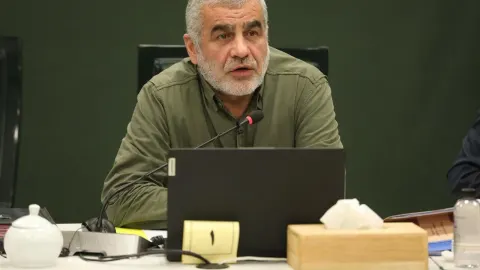
In a routine yet significant diplomatic engagement, Iran's Foreign Minister Abbas Araghchi and the country’s Ambassador to the Republic of Azerbaijan, Mojtaba Demirchilou, have reviewed the outlook for Tehran-Baku relations. This meeting, reported by IRNA, signals ongoing efforts to strengthen and perhaps recalibrate ties between the two neighboring nations. Such high-level consultations are crucial for managing bilateral issues, fostering economic cooperation, and aligning regional strategies, especially given the complex geopolitical landscape of the South Caucasus and wider Middle East. The review of relations suggests a continuous assessment of shared interests and potential areas for collaboration or contention.
For Iranian readers, the state of relations with neighboring Azerbaijan is of particular importance. Strong, stable ties can facilitate trade, energy transit, and cultural exchanges, contributing to regional stability and economic benefits. Conversely, any strain in these relations could lead to complications in border security, regional influence, and economic corridors. This diplomatic dialogue, therefore, represents an essential aspect of Iran's foreign policy, aiming to secure its interests and maintain a balanced approach in its immediate neighborhood, away from the more publicized tensions with Western powers.
Israeli Ambassador Calls for 'Traditional Friendship' with Australia
On the eve of the third anniversary of the October 7 attacks, Israel’s ambassador to Australia, Hillel Newman, expressed a desire for a return to "traditional friendship" between the two nations. This diplomatic overture comes at a time when relations between Israel and Australia have reportedly soured over a number of issues since 2023, primarily stemming from differing perspectives and responses to the ongoing conflict in Gaza. Ambassador Newman's statement, made ahead of Wednesday's commemorations, suggests an effort to mend strained diplomatic ties and rebuild a more cooperative relationship.
This call for a "reset" underscores the far-reaching diplomatic consequences of the conflict in the Middle East, impacting international alliances and bilateral relations even with countries geographically distant from the immediate conflict zone. For the broader geopolitical context, such diplomatic statements reflect ongoing attempts to manage international perceptions and garner support, or at least understanding, for national positions. While not directly involving Iran, these shifts in international relations are part of the complex global tapestry that influences regional stability and the diplomatic environment in which countries like Iran operate, subtly affecting alliances and the balance of power.
Frequently Asked Questions
What specifically did former President Trump say about Iran and California?
Why did the US withdraw B-1 bombers from a UK base?
Are US sanctions effectively 'shutting down' Iran's airlines?
What was discussed regarding Tehran-Baku relations?
Why is the Israeli ambassador seeking 'traditional friendship' with Australia now?
Deterrence Theory: Understanding Geopolitical Posturing
The news of US bomber withdrawals amid Iran tensions, coupled with political remarks and sanctions, brings to the forefront a fundamental concept in international relations: Deterrence Theory. At its core, deterrence is the strategy of discouraging an adversary from taking an action by threatening punishment, or by making the anticipated costs of that action outweigh its potential benefits. It's about influencing an opponent's decision-making process by signaling capability and resolve, aiming to maintain the status quo or prevent undesirable changes.
Deterrence operates on the premise that states are rational actors who will weigh the costs and benefits of their actions. For deterrence to be effective, the threat must be credible (the deterrer must have the capability and willingness to carry out the threat) and communicated clearly. In the context of military deployments, such as the movement of bombers, or the imposition of economic sanctions, these actions serve as signals. They are meant to demonstrate a nation's capacity to inflict harm or impose significant costs, thereby dissuading an adversary from aggression or certain policy choices.
There are generally two types of deterrence: direct deterrence, which aims to prevent an attack on one's own territory or forces, and extended deterrence, which seeks to protect allies. The effectiveness of deterrence, however, is not guaranteed. It relies heavily on clear communication, the absence of miscalculation, and the assumption of rationality on all sides. Misinterpretations of signals, perceived weaknesses, or a heightened sense of desperation can lead to the failure of deterrence and potentially escalate conflicts.
Understanding deterrence helps explain why nations engage in military exercises, issue strong diplomatic statements, or impose economic penalties. These are often not just reactive measures but calculated strategies designed to shape the behavior of other states without resorting to direct military confrontation. It's a high-stakes game of psychological warfare and strategic signaling, constantly balancing the need to demonstrate strength with the risk of accidental escalation.
Topics
Related Articles