Diplomatic Friction Flares as France Summons Iranian Envoy; Toman Recovers 1.3% on Fed Rate Caution
تنش دیپلماتیک در پاریس و عقبنشینی دلار در تهران؛ احضار سفیر ایران همزمان با آرامش نسبی در بازارها
France has summoned the Iranian ambassador over alleged disinformation regarding French student protests, marking a sharp escalation in diplomatic friction. Meanwhile, the Iranian Toman saw a 1.3% recovery today as global markets react to the Federal Reserve’s reluctance to pursue further interest rate hikes.
At time of publishing
USD
265,700
Toman
Gold 18K
26.29M
Toman / gram
Bitcoin
$83,300
US Dollar
Tether
265,600
Toman
Diplomatic Tensions: France Summons Iranian Ambassador
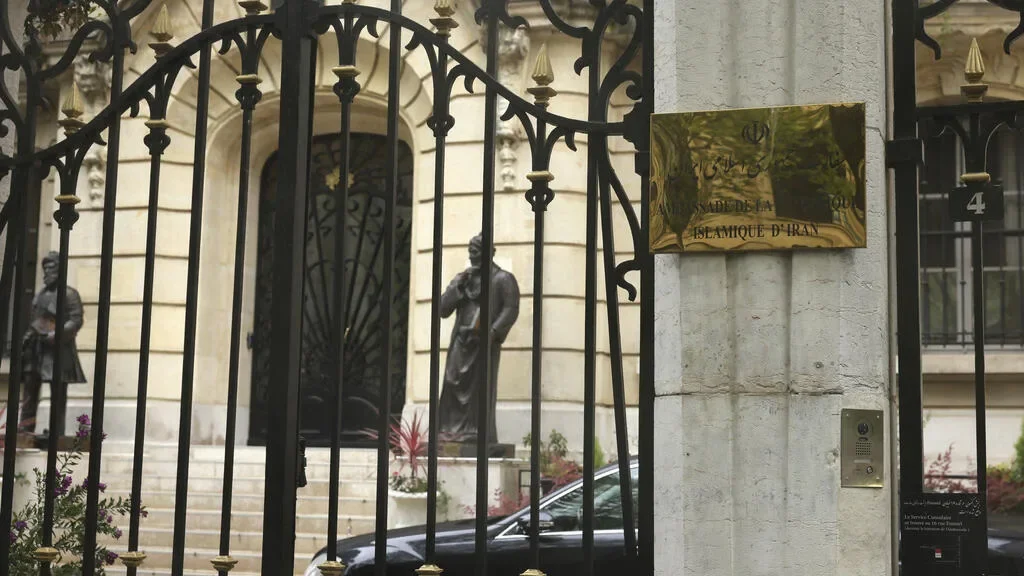
In a significant escalation of diplomatic friction, the French Foreign Ministry summoned the Iranian ambassador on Wednesday to protest what it termed a "disinformation campaign" conducted by Tehran. This move follows a period of heightened rhetoric where Iranian authorities have publicly criticized French police tactics during ongoing student protests across France. The irony of the situation was not lost on international observers, as the Iranian government—notorious for its own violent suppression of domestic dissent—attempted to frame French law enforcement as overly aggressive. This tit-for-tat diplomatic maneuvering began when Tehran initially summoned the French ambassador earlier this week, claiming concern over the treatment of French students.
Nearly 460 schools in France have been affected by a "day of mobilization," with student protests centering on educational reforms and economic grievances. While the French government denies systemic police brutality, the Iranian state media has amplified every instance of friction to deflect from its own human rights record. For Iranian citizens, this diplomatic spat serves as a reminder of the regime's strategy to use external social unrest as a tool for domestic propaganda. By focusing on French internal affairs, Tehran seeks to legitimize its own security apparatus, though the move has largely resulted in further isolating Iran from European partners who are already skeptical of the regime's intentions.

US Politics: Trump, Paxton, and the 'Iran War' Rhetoric
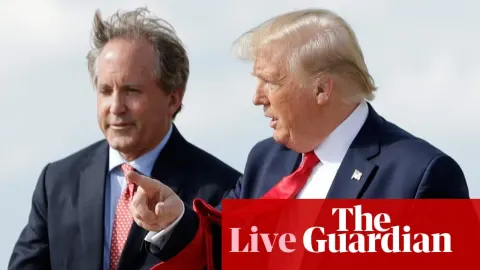
Across the Atlantic, US domestic politics is increasingly intersecting with Middle Eastern geopolitics. Donald Trump recently stated he has "no regrets" about endorsing Texas Republican Ken Paxton, despite leaked recordings showing Paxton lamenting the impact of the "Iran war" on his campaign. Paxton was heard claiming that high gas prices and the specter of conflict with Iran were damaging his electoral prospects. This admission highlights how deeply the threat of regional instability in the Middle East resonates within American swing states, as candidates fear that any escalation involving Tehran will lead to economic pain for American voters at the pump.
This political backdrop is crucial for Iranian markets because it suggests that regardless of the US election outcome, the "Iran factor" remains a primary driver of American economic anxiety. The Republican primary race in Iowa also reflects this tension, where candidates like Ashley Hinson are being forced to balance Trump’s aggressive agenda with a growing domestic desire to avoid further military entanglements. For the Iranian leadership, these leaked sentiments in the US offer a glimpse into the vulnerabilities of American political campaigns, potentially influencing how Tehran calibrates its regional provocations to maximize leverage over Western policymakers.
Market Analysis: Toman Recovers as Fed Signals Pause
The Iranian currency market saw a rare moment of relief on Wednesday, October 7, 2026. The USD/IRR exchange rate moved from 269,100 down to 265,700, marking a 1.3% appreciation for the Toman. This domestic recovery was mirrored in the precious metals sector, where 18k gold dropped 1.6% to 26,286,993 Toman per gram, and the Emami coin fell 1.8% to 268,500,000 Toman. Much of this cooling in the Tehran market can be attributed to a temporary exhaustion of the recent speculative rally, as well as a broader global shift in sentiment following the release of the US Federal Reserve's latest meeting minutes.
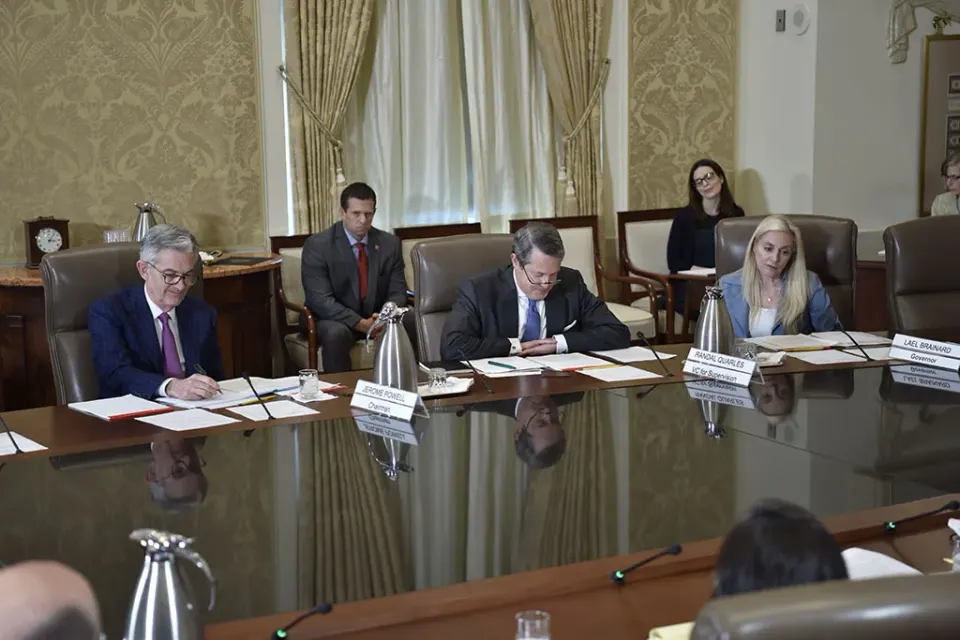
The Fed’s minutes revealed a distinct lack of appetite for a series of aggressive interest-rate hikes, with many officials viewing previous increases as sufficient to contain sticky inflation. This "dovish" tilt has weakened the global DXY (Dollar Index), providing some breathing room for emerging market currencies and commodities. For Iranian investors, the drop in gold prices to $4,111.70 per ounce globally, combined with the local currency's slight gain, suggests a short-term stabilization. However, with Bitcoin holding steady at $83,300, the appetite for alternative assets remains high, as traders remain wary of the long-term inflationary pressures inherent in the Iranian economy.
Tech & Media: The High Cost of Innovation and Accountability
In the world of technology, Microsoft has finally set a release date and a steep price tag for its much-anticipated Surface Laptop Ultra. Starting at $2,599, the device features an 18-core CPU and the new Nvidia RTX Spark, signaling a shift toward high-performance AI-ready hardware for the professional market. While this may seem distant from the streets of Tehran, the rising cost of high-end hardware—exemplified by the $5,999 price tag for the Surface RTX Spark Dev Box—highlights the widening digital divide. For Iranian tech professionals and startups, accessing such cutting-edge tools remains a challenge due to both international sanctions and the diminishing purchasing power of the local currency.

Finally, a notable moment in the UK courts today saw BBC presenter Nicky Campbell testify in a case involving historical abuse at Edinburgh Academy. Campbell described a teacher who "completely lost it," providing a stark contrast to the state-controlled media narratives seen elsewhere. The case emphasizes the importance of institutional accountability and the role of a free press in uncovering systemic failures. For audiences in regions where the media is a tool of the state, such public reckonings serve as a benchmark for what transparency looks like in a functioning legal system, even decades after the events in question occurred.
Frequently Asked Questions
چرا فرانسه سفیر ایران را احضار کرد؟
علت کاهش قیمت دلار در بازار تهران چه بود؟
اظهارات لو رفته کن پاکستون چه تأثیری بر بازار دارد؟
How U.S. Federal Reserve Policy Influences the Iranian Toman
The United States Federal Reserve (the Fed) sets the benchmark interest rate for the world’s reserve currency, the U.S. dollar. When the Fed raises rates, the dollar typically strengthens against other currencies because higher rates attract foreign capital seeking better returns. This dollar‑strengthening effect ripples through global foreign‑exchange markets, putting pressure on the exchange rates of emerging‑market currencies, including Iran’s rial‑toman pair.
Iran’s economy is heavily sanctioned, limiting its access to international financing and foreign‑exchange reserves. A stronger dollar therefore makes it more expensive for Iran to import essential goods and to service any dollar‑denominated debt, which can exacerbate inflation and erode confidence in the rial. Conversely, when the Fed signals caution or signals a pause in rate hikes—as it did in the minutes preceding the October 2026 meeting—market participants often anticipate a weaker dollar, allowing the rial‑toman to recover modestly, as reflected in the 1.3% gain mentioned in the headline.
The mechanism is simple: investors compare the relative returns of holding dollars versus other assets. If U.S. yields rise, capital flows into dollar‑denominated assets, reducing the supply of dollars in foreign markets and driving up its price. For a country like Iran, which cannot easily sell dollars for foreign currency due to sanctions, the reduced dollar supply translates into a lower local price for the rial (i.e., a weaker rial). When the Fed’s stance softens, the opposite occurs, and the rial can appreciate against the dollar, even if only temporarily.
Understanding this link helps explain why diplomatic tensions—such as France summoning the Iranian envoy—can amplify currency moves. Heightened geopolitical risk often leads investors to seek safe‑haven assets like the dollar, magnifying the Fed’s impact on the rial. For policymakers and businesses in Iran, monitoring Fed communications becomes as crucial as tracking domestic inflation or sanctions policy.