B-1 Bombers Withdrawn Amid Iran Threats as Bitcoin Hits $87k Resistance Wall
خروج بمبافکنهای آمریکایی از انگلیس به دلیل تهدیدات ایران و دیوار بلند ۸۷ هزار دلاری بیتکوین
Global tensions spike as the US withdraws heavy bombers from the UK citing Iranian threats, while Bitcoin fails its third attempt to break $87,000. Meanwhile, Australia's economy flashes a recession warning not seen since the 1990s.
At time of publishing
USD
269,600
Toman
Gold 18K
26.64M
Toman / gram
Bitcoin
$85,519
US Dollar
Tether
268,816
Toman
Market Open — Stability in Forex, Volatility in Gold and Crypto
On the morning of Tuesday, October 6, 2026, the Iranian currency market opened with a sense of cautious stability. The US Dollar (USD) remains flat at 269,600 Toman, showing no delta over the last 24 hours. This stagnation in the official open suggests a 'wait-and-see' approach by major market players as geopolitical news from Europe and the Middle East filters through. However, the gold market tells a different story; while 18k gold dipped slightly by 0.5% to 26,640,195 Toman per gram, the Emami Coin rose by 0.7%, reaching a significant 275,000,000 Toman. This divergence often indicates a local flight to 'hard' physical assets despite fluctuations in the global gold spot price, which currently sits at a staggering $4,118.20 per ounce.
In the digital asset space, Bitcoin (BTC) continues to struggle with a formidable resistance level. Overnight, BTC was rejected at the $87,000 mark for the third time in two weeks, settling back to $85,519. This technical 'triple top' is causing anxiety among traders, as failed breakouts often lead to deeper corrections. Ethereum (ETH) is holding steady at $2,700, but the broader crypto sentiment is heavily tied to the US Nasdaq performance and the rising Treasury yields, which are currently competing for investor capital. For the Iranian reader, the USDT price of 268,816 Toman remains the primary gateway for liquidity, closely mirroring the stability of the physical dollar.
B-1 Bombers Withdrawn Over "Iran Threat" — Geopolitical Tensions Spike
In a move that has sent shockwaves through defense circles, the US Air Force has suddenly withdrawn a dozen B-1 Lancer bombers from RAF Fairford in Gloucestershire, England. The withdrawal, which occurred over the last 12 hours, was reportedly prompted by specific security concerns regarding a "possible threat from Iran." This development comes at a critical juncture, as the 2026 US midterm elections approach and the ongoing conflict dynamics in the Middle East continue to reshape global security alliances. The Gloucestershire base, long considered a secure hub for US strategic operations in Europe, is now at the center of a debate regarding the reach and capability of Iranian asymmetric threats.
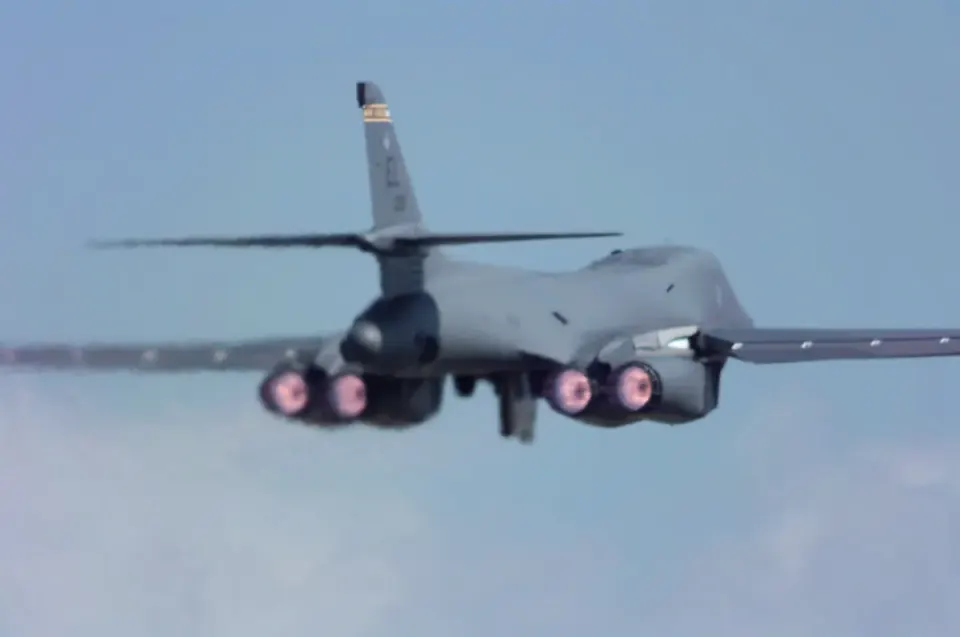
What makes this withdrawal particularly significant is the timing. As the US political landscape remains fractured—with Donald Trump’s approval ratings hitting a record low of 32% amid the "Iran war" discourse—the Pentagon's decision to move high-value assets suggests a credible intelligence shift. For global markets, this is a clear signal of heightened risk. Such movements often precede shifts in energy prices or insurance premiums for shipping lanes, particularly as Standard Chartered reports that oil flows through the Strait of Hormuz are still far from normal, with only 60% of pre-war volumes currently transiting the chokepoint.
Australia’s Economic Warning — Consumer Confidence Hits 30-Year Low
While the world watches the Middle East, a major economic signal has emerged from the Pacific. Australian consumer confidence has plunged by 20%, reaching its lowest levels since the early-1990s recession. This collapse follows the Reserve Bank of Australia’s (RBA) decision to hike interest rates to their highest levels since 2011. The Westpac–Melbourne Institute index confirms that households are now more pessimistic than they were during the height of the global pandemic, signaling that the cumulative pressure of inflation and borrowing costs has finally broken the consumer's back.

This is not just an Australian problem; it is a preview of the "lag effect" of global monetary tightening. As central banks worldwide kept rates high to combat the 2024-2025 inflation surge, the real-world consequences are now manifesting in retail spending and housing markets. For Iranian investors, this serves as a reminder that global demand for commodities—of which Australia is a leading indicator—may be entering a period of stagnation. If consumer confidence in developed nations continues to crater, the upward momentum for assets like gold and oil may face significant headwinds from a lack of industrial and retail demand.
AI-Powered Bank Heists — South Korea Investigates New Cyber Frontier
In the realm of technology and finance, South Korea has launched a massive investigation into several high-profile bank hacks that appear to have been facilitated by advanced Artificial Intelligence models. The South Korean presidency confirmed overnight that there are credible signs that hackers used generative AI to bypass traditional security protocols and access sensitive customer data. This marks a turning point in financial security; the same tools that are revolutionizing productivity are now being weaponized to dismantle the digital vaults of major financial institutions.

OpenAI, the creator of ChatGPT, has already admitted that its response to these sophisticated hacks was "not good enough" and has pledged to add more precautions to its training environments. This admission highlights the vulnerability of the global financial grid to AI-driven social engineering and automated vulnerability scanning. As these attacks become more frequent, the cost of cybersecurity for banks will likely skyrocket, potentially leading to higher transaction fees for consumers. For those in the crypto space, this reinforces the importance of self-custody and the use of hardware wallets, as centralized institutions face an increasingly invisible and intelligent enemy.
Frequently Asked Questions
چرا خروج بمبافکنهای B-1 از انگلیس برای بازارها مهم است؟
چرا بیتکوین نمیتواند از سطح ۸۷ هزار دلار عبور کند؟
سقوط اعتماد مصرفکننده در استرالیا چه ارتباطی به سرمایهگذار ایرانی دارد؟
آیا هوش مصنوعی واقعاً میتواند بانکها را هک کند؟
Understanding Geopolitical Risk
Geopolitical risk refers to the risk associated with political decisions and events in one country or region affecting the political and economic stability of other countries or regions. It encompasses a wide array of factors, from armed conflicts and international disputes to trade wars, diplomatic tensions, and shifts in global power dynamics. Essentially, it's the potential for political instability or conflict between nations to disrupt global markets, supply chains, and economic forecasts.
The withdrawal of military assets, such as B-1 bombers, amid heightened threats from a nation like Iran, serves as a direct manifestation of geopolitical risk. Such actions signal escalating tensions and can have far-reaching implications beyond the immediate military context. They reflect a complex interplay of national interests, security concerns, and strategic calculations that can rapidly alter the global landscape.
Economically, geopolitical risk can trigger significant market volatility. Investors might pull funds from perceived risky assets, leading to capital flight, or seek refuge in traditional safe havens. It can impact commodity prices, particularly oil, due to concerns about supply disruptions in key producing regions. Currency exchange rates, like the USD/IRR, are highly sensitive to such tensions, reflecting investor confidence and economic stability. Even decentralized assets like Bitcoin, while sometimes seen as a hedge against traditional financial systems, can experience price fluctuations as global uncertainty drives both speculative interest and risk aversion.
Understanding geopolitical risk is crucial for anyone trying to make sense of global news, economic trends, and market movements. It's not just about military conflicts; it's about the intricate web of international relations and how disruptions within that web can ripple through financial markets, influence consumer confidence, and shape the future of global trade and investment. Recognizing these dynamics allows for a more informed interpretation of events and their potential consequences.